Iran and Armenia have discussed the possibility of building an oil refinery in Armenia, a project that could reshape the South Caucasus energy map if Tehran and Yerevan decide to turn long-running talks into a bankable deal.
Iran and Armenia Discuss Armenia Oil Refinery
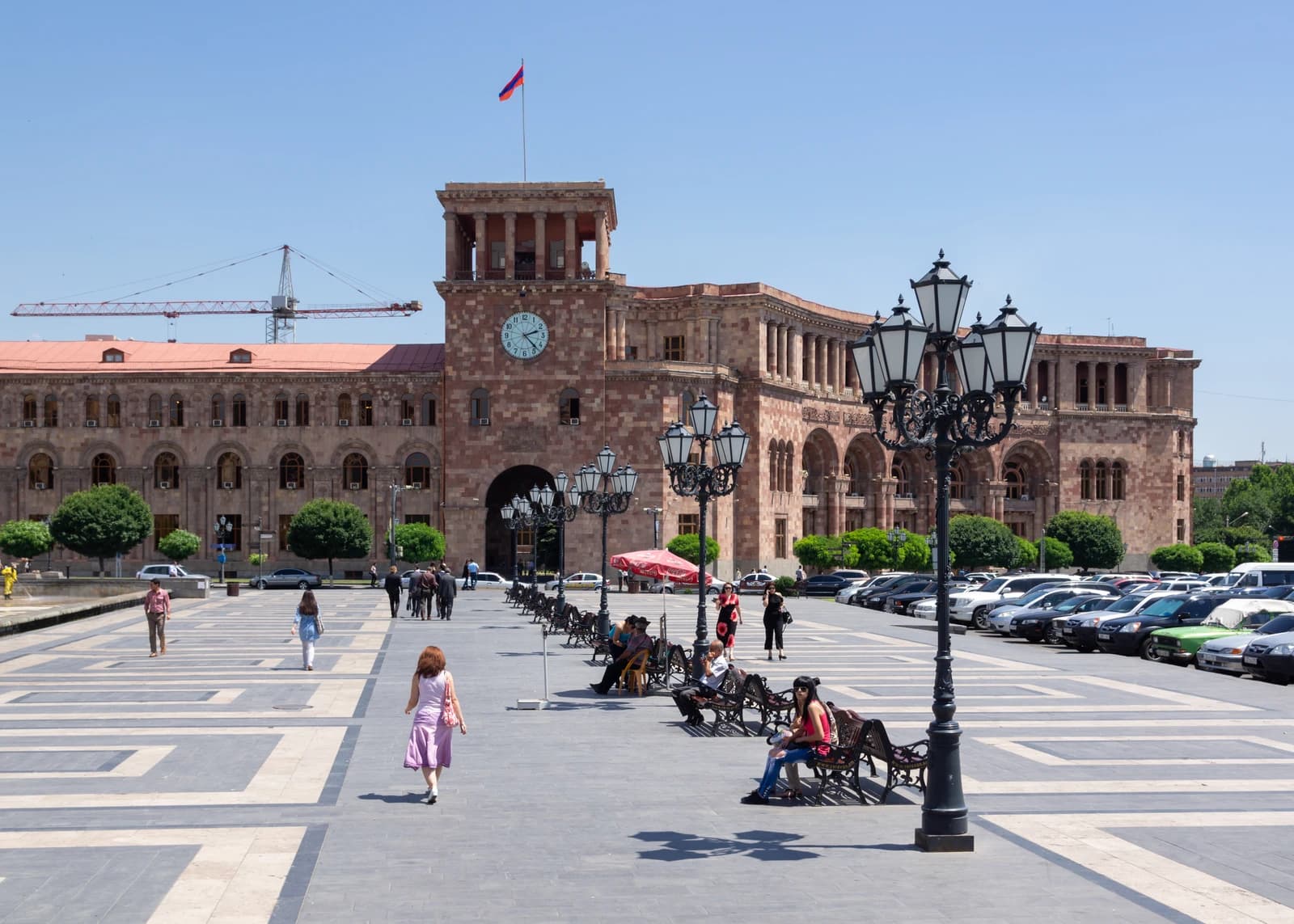
The significance is economic as much as geopolitical. For landlocked Armenia, a refinery would be a strategic bid to reduce dependence on imported refined products and potentially create a more secure supply route at a time when regional tensions and trade disruptions remain elevated. For Iran, it would offer a rare industrial foothold beyond its borders and a way to deepen commercial ties with a neighbor that already sits at the edge of its northern trade ambitions.
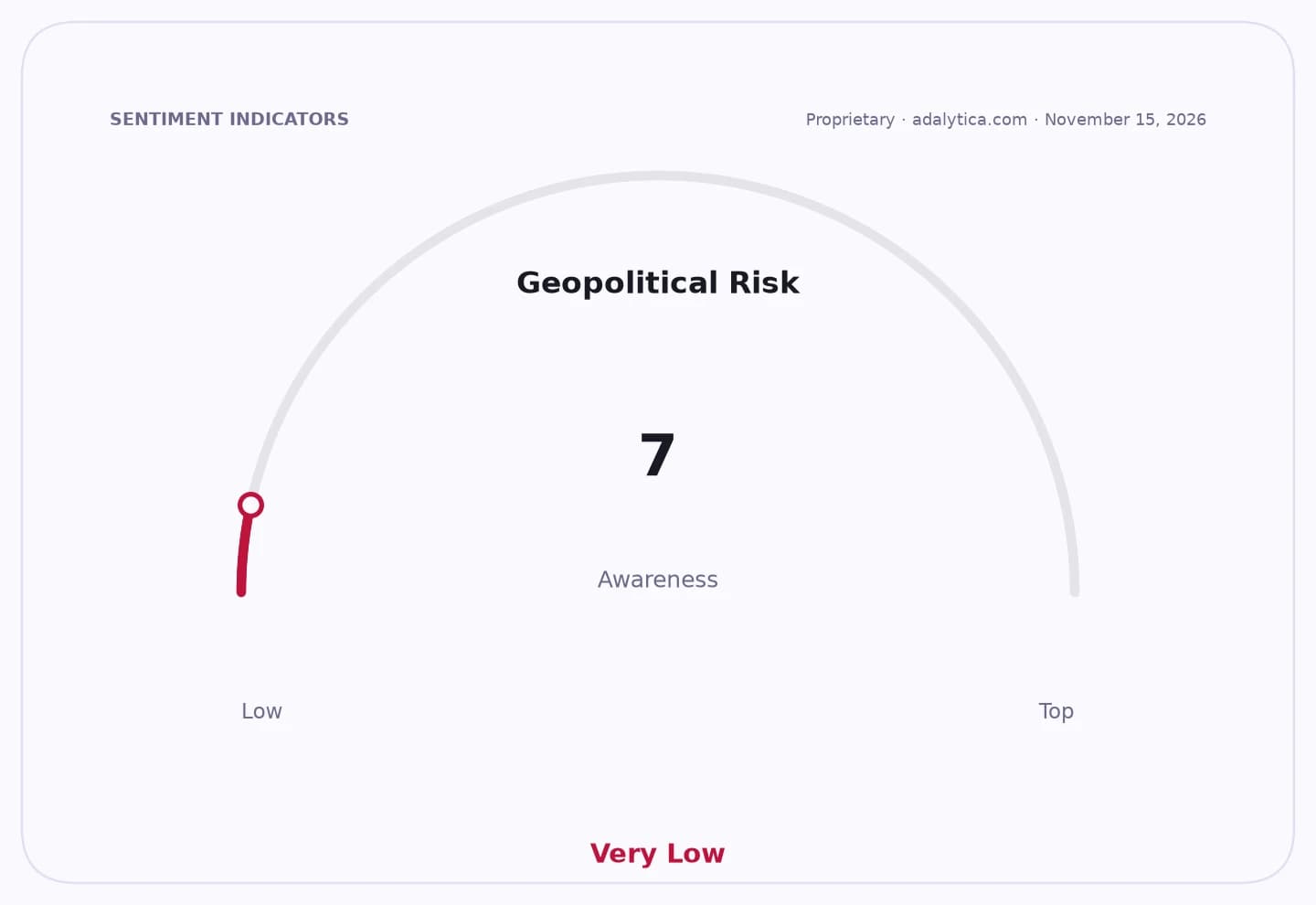
Sentiment Indicators
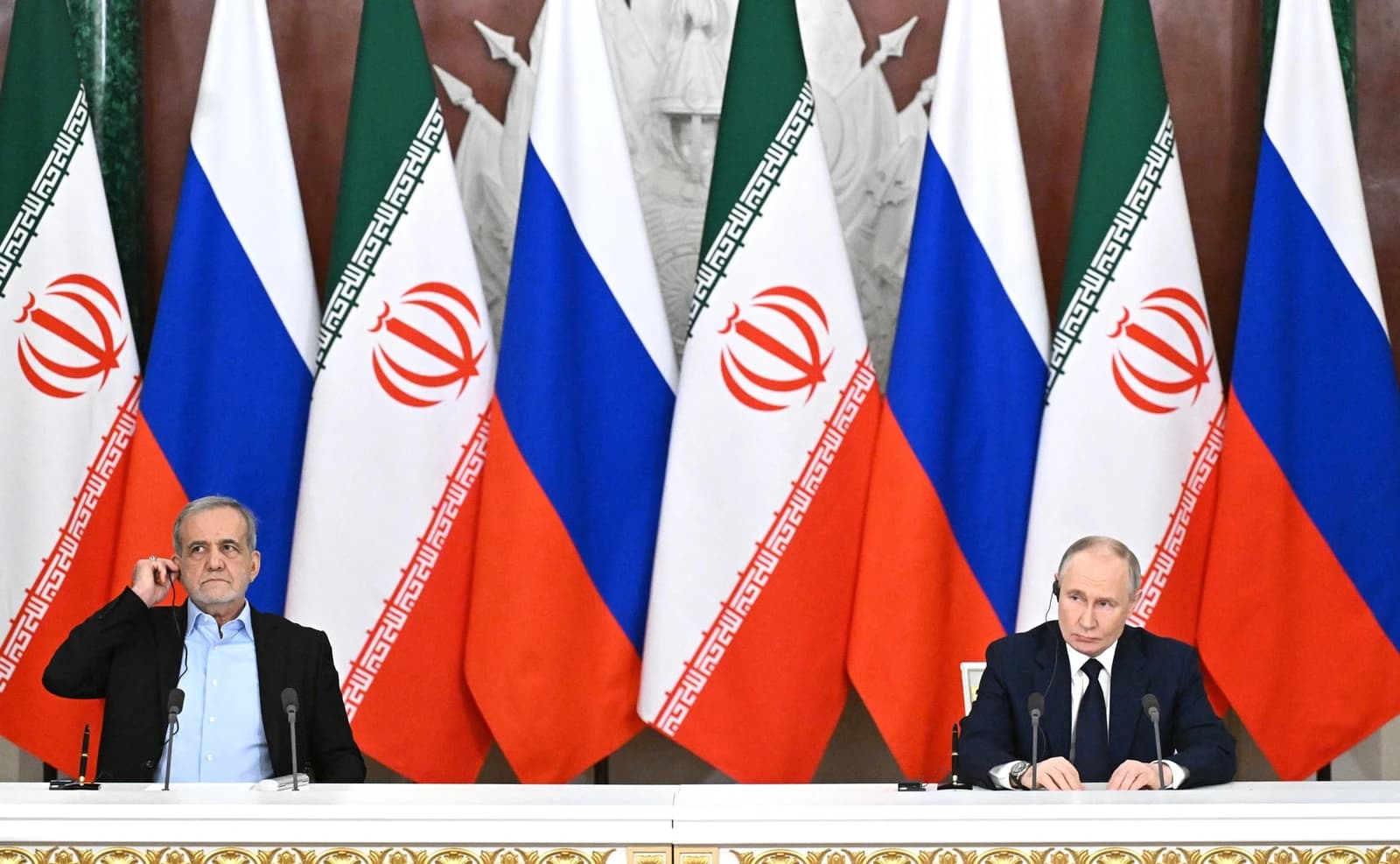
The issue surfaced during Armenian infrastructure minister Davit Khudatyan’s visit to Tehran, where he met Iran’s vice president and the oil and gas minister. Armenian official readouts reportedly did not highlight the refinery discussion, while Iranian statements emphasized it more prominently, suggesting the idea is still exploratory and politically sensitive.
That asymmetry matters. Energy projects in the region often fail not because of engineering constraints alone, but because financing, sanctions exposure, crude supply logistics and export access are difficult to align. Armenia would need capital, feedstock security and a clear market for the output. Iran would need to navigate international restrictions while convincing partners that the project can move from diplomacy to construction.
For investors, the refinery talk is best read as a signal of how energy security is being repriced across the region. Brent has recently slipped below $90 a barrel as markets grow more confident that the Iran conflict may ease, even after earlier spikes above $96 on war-related fears. That easing in crude prices reduces immediate pressure on importers, but it does not remove the structural incentive for countries on vulnerable supply routes to seek local refining capacity.
The market backdrop also underscores why such projects are becoming more politically relevant. Global stability sentiment remains in fear territory, while the conventional technical indicators for oil-linked assets have weakened. USO, the United States Oil Fund, closed at $140.24 on Nov. 17, well below its 50-day moving average of $152.66, with RSI readings at 23.2, a level that typically points to deeply oversold conditions. Energy equities have also softened, with XLE ending at $63.36, below its 50-day average of $64.89 and with RSI at 32.9, reflecting a cooling in crude optimism.
Still, the economics of a refinery in Armenia are far from straightforward. Armenia is a small market, so any project would likely need to be sized for regional trade rather than domestic demand alone. That raises the question of whether the plant would be viable without export corridors, preferential access to neighboring markets or state-backed offtake agreements. A smaller modular facility could be more realistic than a large complex, but even that would require sustained political alignment.
The most likely near-term outcome is continued discussion rather than rapid construction. Yet the fact that the idea is back on the table is itself important: it reflects how energy infrastructure is increasingly being used as a tool of regional diplomacy, not just industrial policy. If Tehran and Yerevan can align financing, sanctions risk and logistics, the refinery could become a test case for deeper Iran-Armenia economic integration. If not, it will remain another reminder that in the South Caucasus, energy plans often move at the speed of geopolitics.
| Entity | Gains | Losses |
|---|---|---|
| Armenia | ▲Energy security boost | ▼Financing burden |
| Iran | ▲Industrial influence | ▼Sanctions exposure |
| Oil importers | ▲Potential local supply | ▼Less urgency for imports |
| USO/XLE bulls | ▲Relief from geopolitical spike risk | ▼Weaker crude upside |