Ukraine’s attack on Russia’s second-largest refinery and a strategically important bridge raises the pressure on Moscow’s fuel system and adds another layer of risk to global oil markets just as inventories, freight flows and sanctions are already reshaping trade.
Ukraine attacks Russian refinery and bridge
The immediate economic significance is in the refinery hit. Russia has already been forced to run down refining throughput after a series of Ukrainian strikes, with the latest damage adding to a disruption that has cut processing capacity by roughly a third, according to the news context. That matters because Russia is not only one of the world’s biggest crude exporters, it is also a major supplier of diesel, gasoline and other refined products to domestic and export markets. When refineries go offline, crude can still leave the country, but the system loses margin-rich product output, tightens local fuel supply and can force Moscow to reroute barrels, ration diesel or lean more heavily on exports of unprocessed oil.
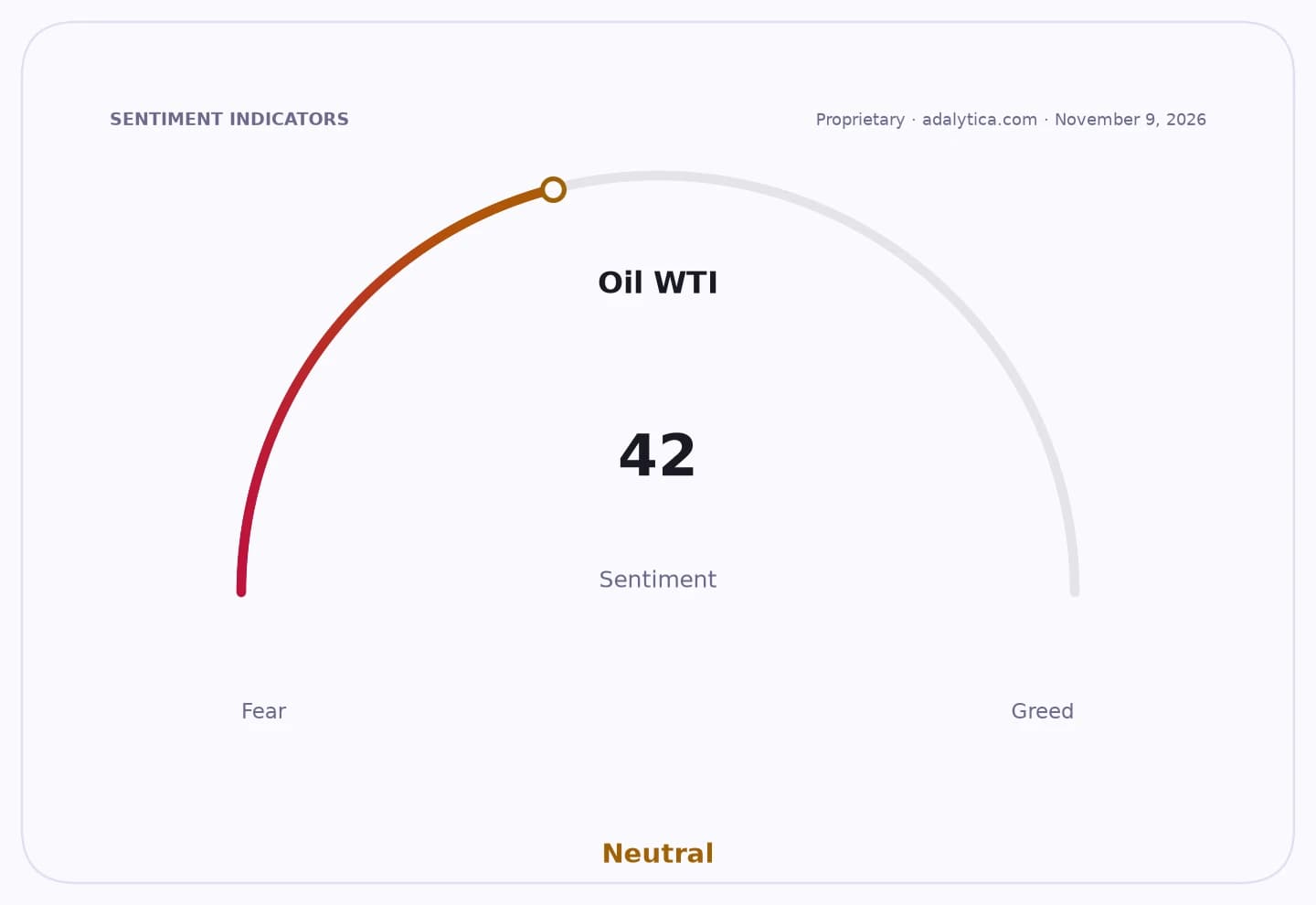
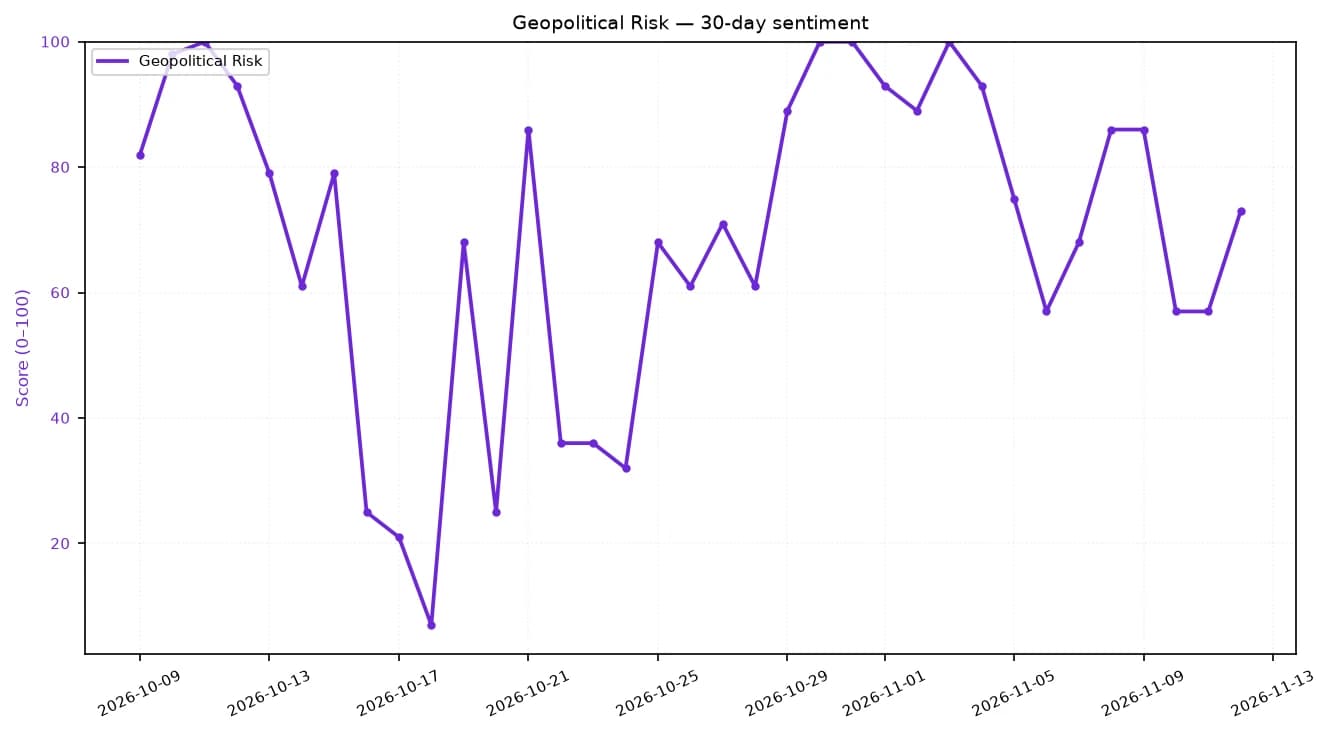
Sentiment Indicators
The bridge strike matters for a different reason: infrastructure attacks can complicate the movement of fuel and military logistics, amplifying the economic cost beyond the refinery itself. In a war where rail lines, pipelines and road links underpin the distribution of energy and goods, damage to transport chokepoints can raise insurance costs, increase delivery times and make already volatile supply chains even less efficient.
For investors, the story is less about one blast than about the probability of persistent supply disruption. Oil benchmarks have already been reacting to geopolitical risk, with U.S. crude futures recently near $88.50 a barrel after a sharp run-up earlier in the year. The 50-day moving average has rolled over above current prices and RSI readings in the high-20s to low-30s point to a market that is technically oversold, even after the recent pullback. That leaves crude vulnerable to fresh spikes if Russia’s refining outages worsen or if strikes broaden to other energy assets.
Energy equities are also exposed. The XLE energy ETF, after rallying to the low $70s, slipped back to about $64.96, while the technical picture remains softer than in September when the fund traded well above both its 50-day and 200-day moving averages. That suggests the market has not fully priced in a sustained deterioration in Russian refining capacity. By contrast, refiners elsewhere could benefit if tighter product markets lift margins, especially for U.S. and Asian operators able to capture higher diesel or gasoline cracks.
The broader macro backdrop is one of fragile risk appetite. U.S. Treasury yields have climbed to around 5.1% on the 10-year, while Adalytica’s trade signal for Treasuries shows extreme fear, implying markets are not positioned defensively. At the same time, Adalytica’s S&P 500 gauge remains in “Extreme Greed,” which can leave risk assets exposed if energy-price shocks feed into inflation expectations and policy rates stay higher for longer. Brent-linked supply disruptions tend to hit imported fuel costs first, then margins, then consumer inflation, which is why the attack matters well beyond the battlefield.
India’s response is part of that chain reaction. The country has started swapping some Russian crude for Middle Eastern barrels as attacks on Russian refineries disrupt flows, underscoring how the war is reshaping seaborne oil trade. That rebalancing may support Middle East producers and global tanker demand, while putting pressure on Russian sellers to offer discounts or accept more crude-only exports.
The main investor question now is whether the damage remains episodic or becomes structural. If Ukrainian strikes keep knocking out refining units and transport links, Russia’s ability to export products, support domestic fuel prices and maintain wartime revenues will erode further. If the attacks intensify, oil and refining stocks could see another leg up even as broader equities face renewed inflation risk.
| Entity | Gains | Losses |
|---|---|---|
| Ukrainian military | ▲Strategic leverage | ▼None immediately |
| Russia’s energy sector | ▲Crude exporters with discounts | ▼Refineries and fuel supply chain |
| Global refiners | ▲Higher product margins | ▼Importers of diesel and gasoline |
| Oil consumers | ▲— | ▼Fuel buyers and inflation-sensitive sectors |