Belarus has stopped being Russia’s main route for imported cars as tighter rules on the recycling fee and higher charges inside Belarus made the transit trade less attractive, shifting demand toward direct shipments from China and, to a lesser extent, Kyrgyzstan.
Belarus loses role in Russia car imports
That matters because the change raises the landed cost of some models for Russian buyers and narrows choice in a market already shaped by sanctions, supply-chain rewiring and higher import friction. It also shows how quickly regional re-export hubs can lose relevance when tax and regulatory arbitrage disappears.
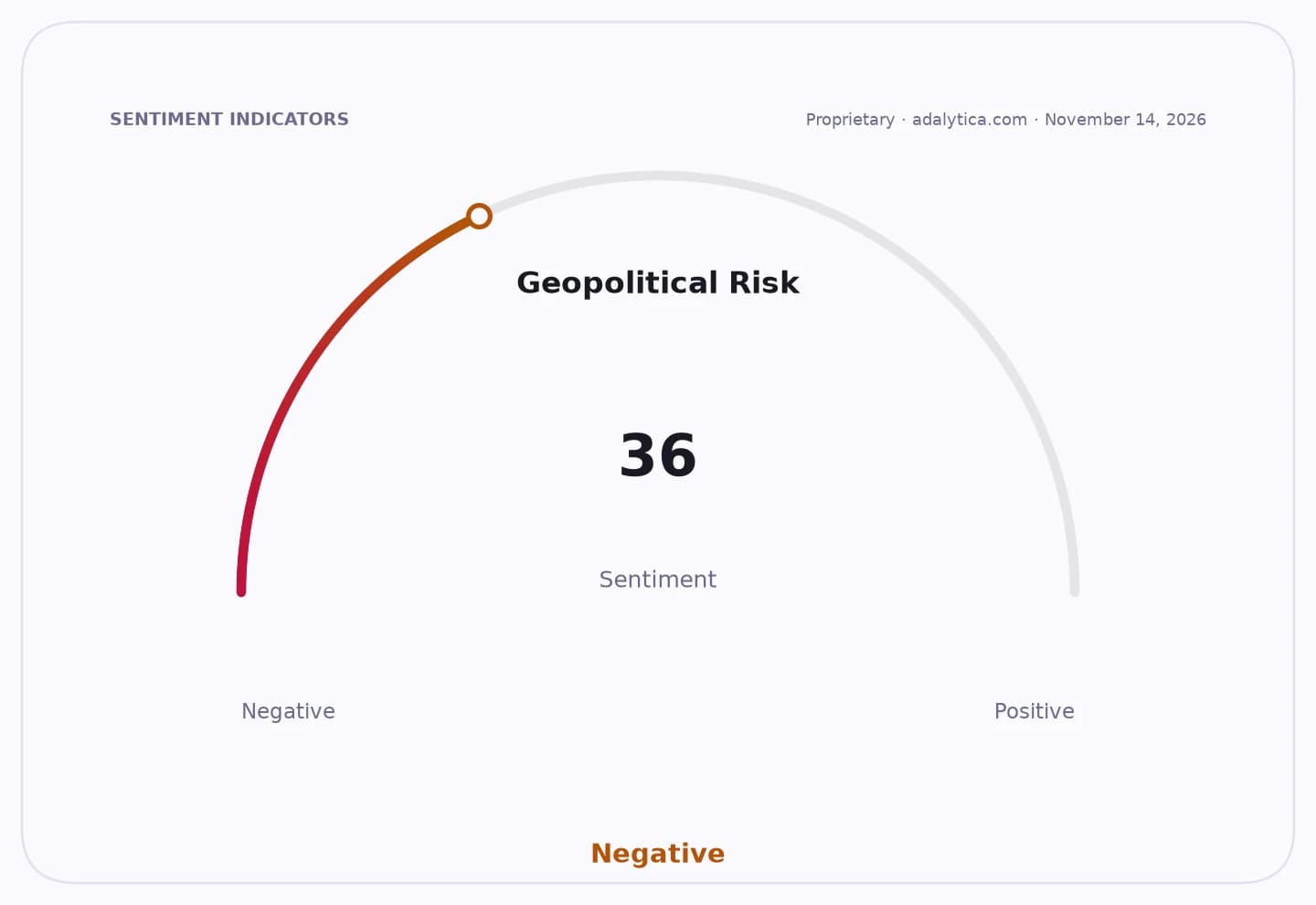
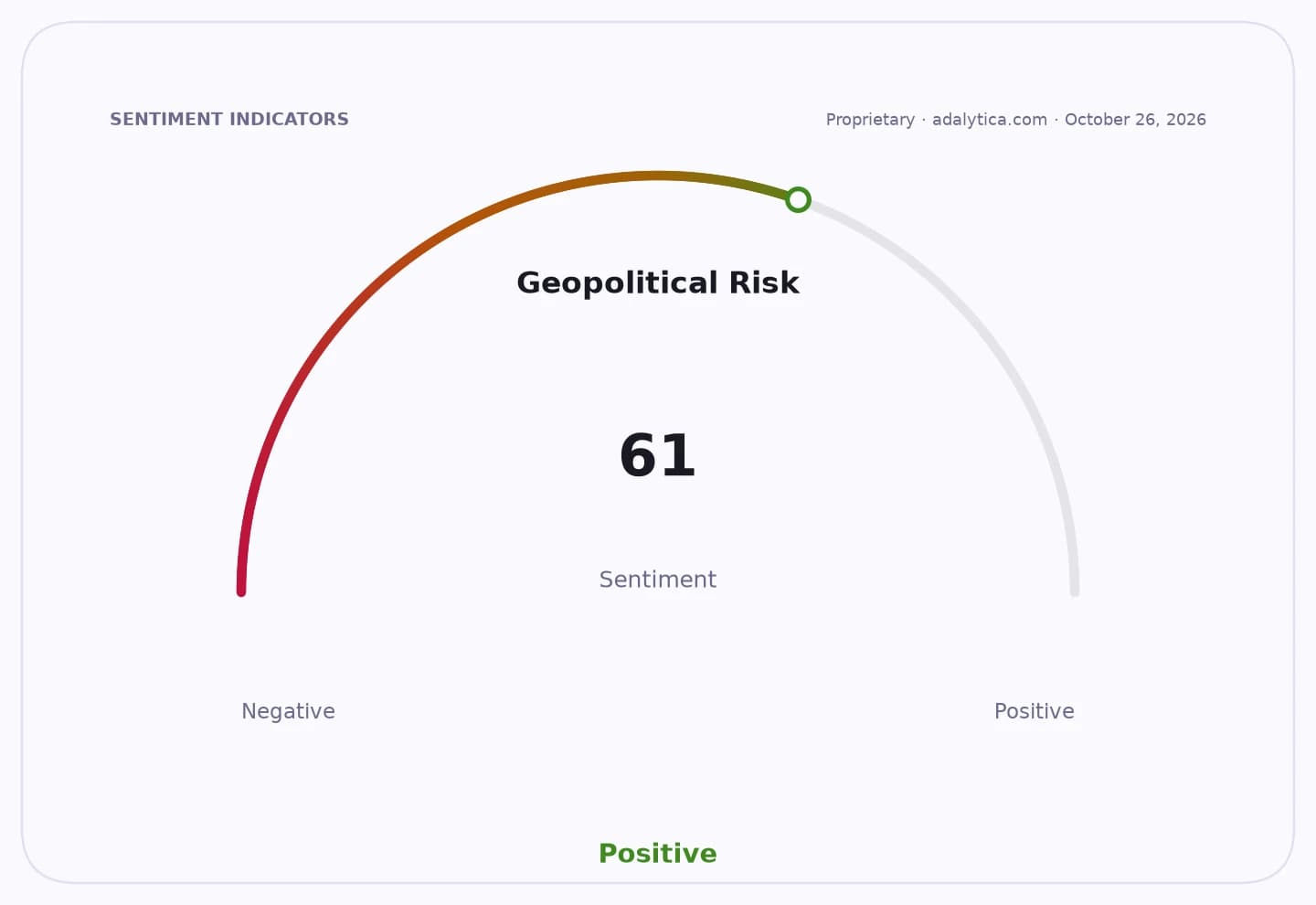
Sentiment Indicators
According to data cited by the Russian agency Expert RA, Belarus accounted for less than 20% of receipts from the Russian recycling fee on imported vehicles in July 2026, down from more than 40% in March 2025. Over the same period, passenger-car imports through the Belarus route fell 8.4% in January-August 2026 to 16,400 vehicles, underscoring a steady contraction in the channel.
The squeeze reflects two policy moves. Russia changed the way the disposal fee is calculated and tightened enforcement, making traditional Eurasian Economic Union routing less profitable. Belarus also raised its own disposal fee for legal entities by 7% on April 29, reducing the incentive to route cars through the country purely for tax savings.
For Russian consumers, the shift is likely to be felt most in the mid-priced imported segment, where buyers had relied on Belarus as a workaround to source foreign models more cheaply. For dealers and intermediaries, the loss of transit volumes removes a profitable arbitrage trade. For Chinese exporters, by contrast, the trend is constructive: more vehicles are now shipped directly, reinforcing China’s role as the dominant external supplier into Russia’s auto market.
The broader implication is that Russia’s post-sanctions car market is becoming less dependent on neighboring re-export centers and more directly tied to producer countries. That can improve supply transparency, but it also increases exposure to freight costs, customs rules and the pricing power of direct suppliers.
Investors should watch whether the shift stabilizes or accelerates. A further rise in direct imports from China would likely support Chinese auto brands and logistics providers serving the corridor, while continued pressure on transit hubs such as Belarus would weigh on intermediary trade flows. The development also fits a wider pattern of regional trade being reshaped by policy rather than demand alone.
| Entity | Gains | Losses |
|---|---|---|
| Chinese automakers | ▲Direct access to Russia | ▼Belarus re-exporters |
| Russian buyers | ▲More direct supply options | ▼Lower import arbitrage |
| Belarusian transit dealers | ▲— | ▼Lost hub volumes |
| Kyrgyz intermediaries | ▲Replacement trade flows | ▼Continued policy risk |