Kazakhstan will launch 15 new oil and gas-related plants as it tries to keep more value from its hydrocarbons sector at home and reduce dependence on imported industrial equipment.
Kazakhstan Launches 15 Oil and Gas Plants
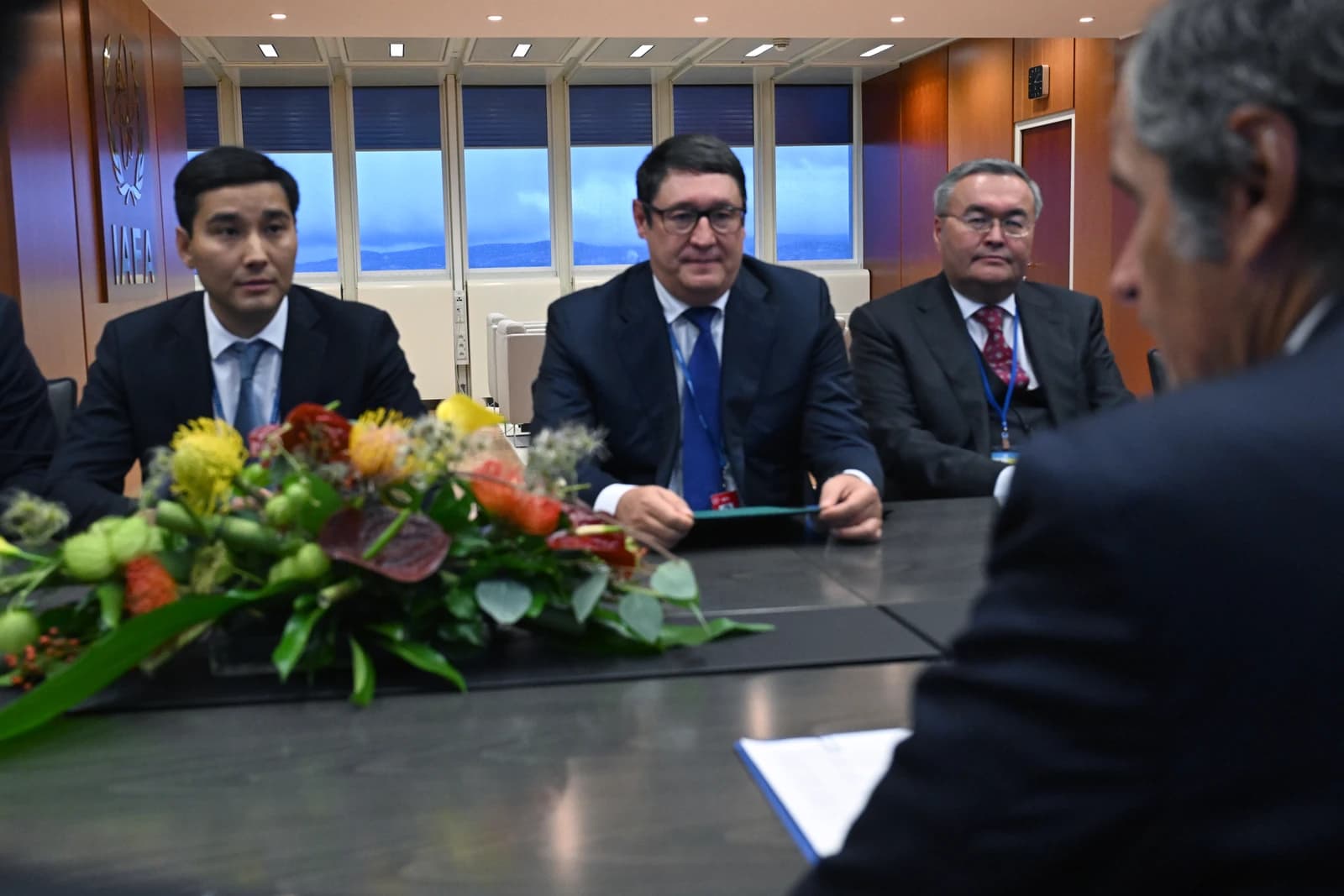
Energy Minister Erlan Akkenzhenov told a government meeting the projects are worth nearly 38 billion tenge and are aimed at localizing products in demand by domestic and foreign producers. The move is designed to create higher-value manufacturing inside Kazakhstan and add jobs in a country that still leans heavily on raw commodity exports.
Sentiment Indicators
Oil WTI
The plan comes as Astana steps up a broader effort to build out its energy-industrial base while regional oil flows are being reshaped by war and refinery disruptions. Ukraine’s strikes on Russian energy infrastructure have intensified pressure on regional supply chains, while Kazakhstan has been expanding exports and transit routes across Central Asia and into Europe.
Kazakhstan has already localized 10 oil and gas production facilities since 2022, with investment totaling almost 8 billion tenge and more than 350 jobs created, according to the ministry. That track record suggests the new program is not just a policy announcement but part of a longer industrial strategy to move into components and equipment that can be sold to major operators.

The government is also easing access to export markets by supporting domestic firms in obtaining international certifications. The maximum reimbursement for those costs has been raised from 3,000 to 15,000 monthly calculation indices, a change that could help Kazakh manufacturers qualify for contracts with large oil and gas operators abroad.
Seven local companies already sell goods to Europe, North America and Asia, underscoring the export potential if the certification push gains traction. For investors, the immediate beneficiaries are likely to be Kazakh industrial suppliers, engineering contractors and logistics firms tied to the energy sector, while foreign equipment makers could face a modest increase in local competition.
The broader economic logic is clear: Kazakhstan is trying to capture more of the supply chain value that often leaves producer countries through imported machinery and services. If the program scales, it could support non-oil industrial output, employment and foreign currency earnings even as global crude prices remain volatile.
| Entity | Gains | Losses |
|---|---|---|
| Kazakh industrial suppliers | ▲New contracts, export access | ▼— |
| Kazakhstan government | ▲More local value-added, jobs | ▼Fiscal support costs |
| Foreign equipment vendors | ▲— | ▼Some market share in Kazakhstan |
| Oil and gas operators | ▲More local sourcing options | ▼Less reliance on imports |