Kazakh wheat is strengthening its grip on Tajikistan’s market, with both governments signaling they may expand an existing 100,000-ton grain contract as Central Asia’s agricultural trade deepens and buyers look for more reliable supply.
Kazakhstan and Tajikistan may expand wheat contract
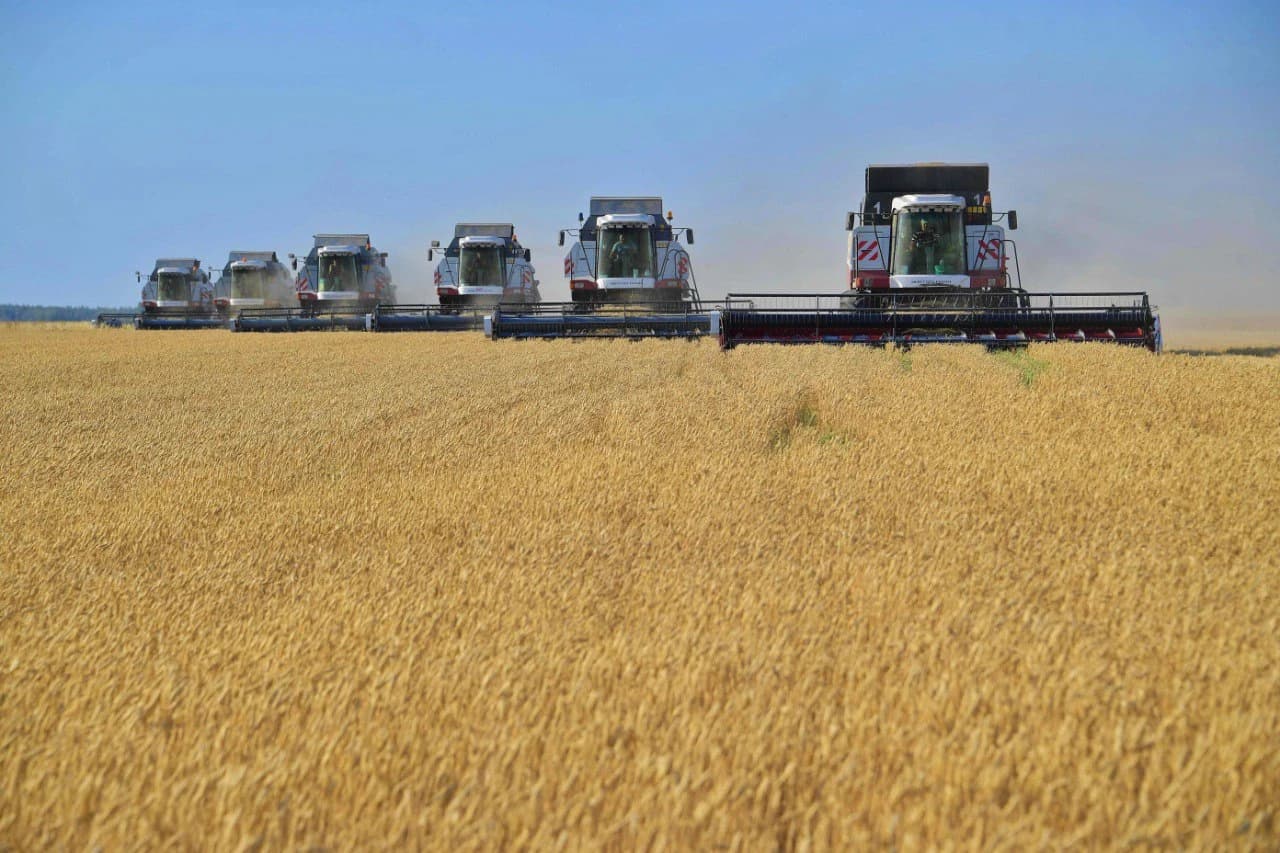
That matters because grain exports are one of Kazakhstan’s most important hard-currency earners, and Tajikistan is not just another customer: it is a steady regional market where logistics, political ties and food security needs can lock in demand. For investors, the signal is that Kazakhstan’s farm complex may be able to sell more volume into a familiar corridor, while moving beyond raw grain toward higher-value food processing and livestock projects that could lift margins over time.
Sentiment Indicators
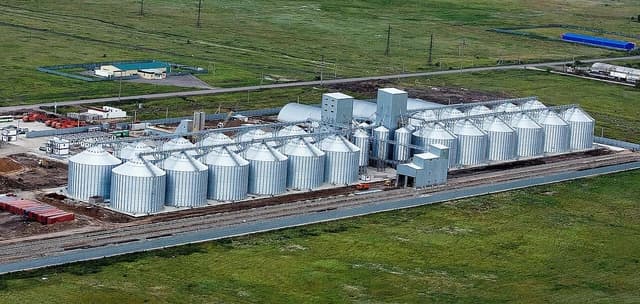
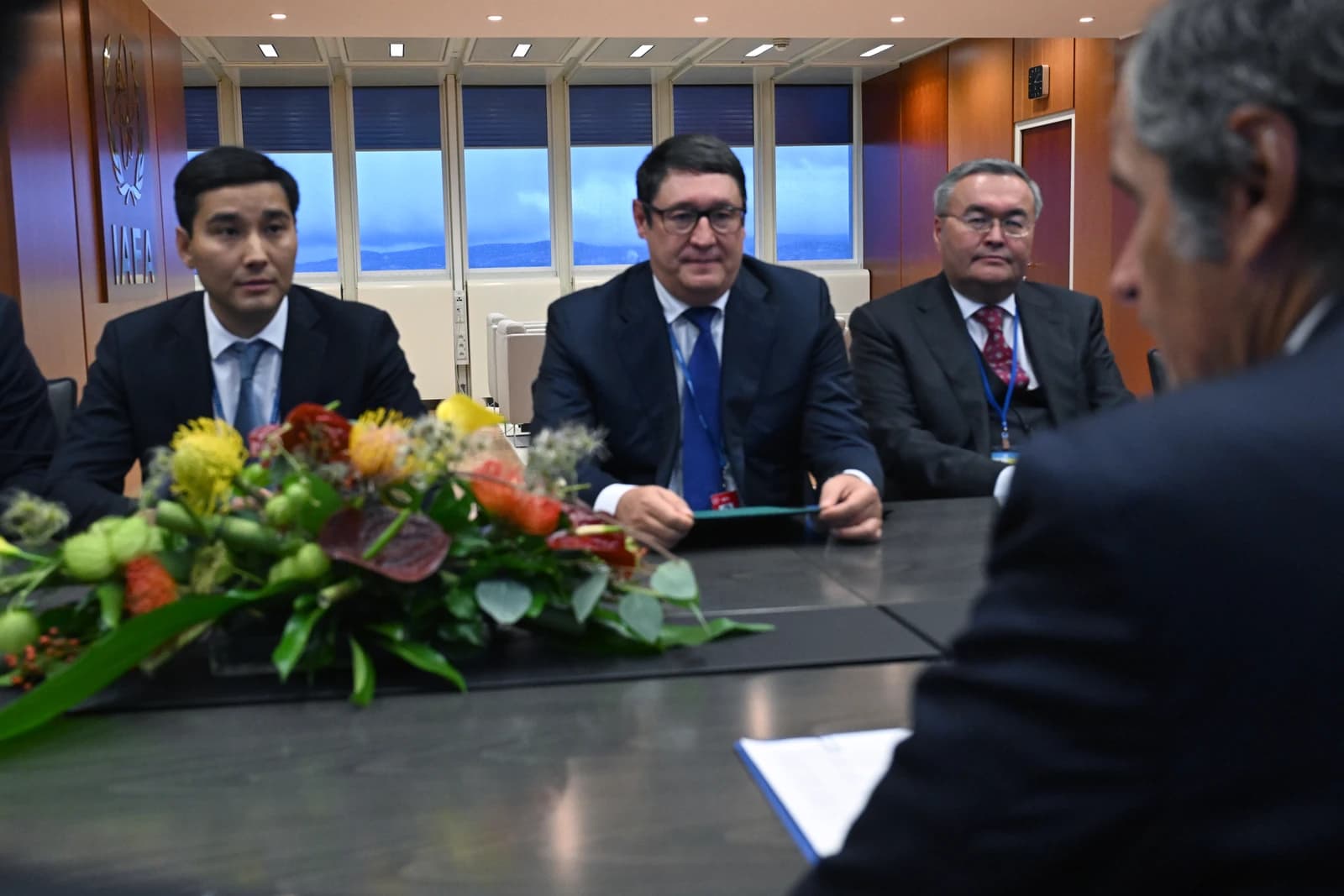
The talks in Astana came during Tajik President Emomali Rahmon’s official visit and centered on broadening the current agreement between Kazakhstan’s national grain operator and Tajikistan’s state reserve agency. Officials did not disclose any new tonnage or pricing, but they said they would step up work to increase deliveries in line with Tajik demand. That is enough to matter in a market where incremental export outlets can support farmgate prices and help absorb surplus output.
The scale of the relationship is already material. Kazakhstan’s agriculture ministry said bilateral farm trade rose 11% in 2025 to about $600 million, with agriculture accounting for roughly half of total trade between the two countries. More recently, agricultural trade topped $564 million in the first nine months of 2026, with Kazakh exports reaching $550.2 million. In other words, this is not a symbolic relationship. It is becoming a dependable channel for Kazakh grain, food and processed products into a neighboring market that still needs imports.
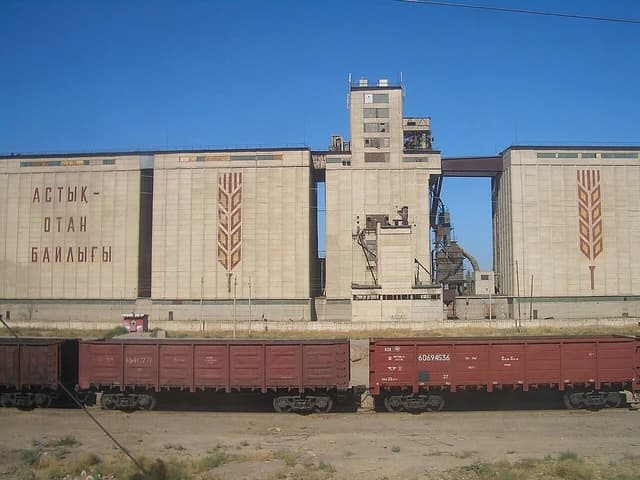
That is why the market should pay attention to the shift in tone. The immediate story is wheat, but the bigger opportunity is industrialization. The two sides also discussed processing, seed selection, animal husbandry and veterinary standards, and they plan to put those priorities into a 2027-2028 roadmap. If that framework gains traction, Kazakhstan could export more than bulk grain; it could export processed foods, feed and know-how, capturing more of the value chain.
For investors, the beneficiaries are clear. Grain handlers and exporters with Central Asian exposure stand to gain from firmer demand. Integrated agribusinesses can use the relationship to push higher-value products. And suppliers tied to storage, logistics, irrigation, milling and dairy automation could see follow-on demand if the cooperation moves from diplomacy to contracts and capital spending.
The timing is also important. Global wheat prices have been under pressure from a strong U.S. dollar and sluggish broad commodity sentiment, even as technical buying has helped stabilize CBOT wheat from recent lows. In that kind of environment, every export agreement that improves demand visibility matters. Kazakhstan does not need a boom in global wheat prices to benefit if it can keep securing regional offtake.
Our thesis is that the market is underestimating how valuable these smaller regional trade links can become when food security, transport routes and industrial policy line up. Tajikistan’s appetite for more Kazakh wheat is a reminder that the real investment story is not just in commodity prices, but in the export infrastructure and agri-processing network built around them. That is where the asymmetric upside sits.
| Entity | Gains | Losses |
|---|---|---|
| Kazakh grain exporters | ▲More regional demand | ▼Less pricing pressure |
| Tajik buyers | ▲Reliable wheat supply | ▼Less bargaining leverage |
| Agribusiness processors | ▲New value-added projects | ▼Pure bulk exporters |
| Global wheat bears | ▲None | ▼Tighter export support |