Uzbekistan’s record cotton harvest has given President Shavkat Mirziyoyev room to raise the country’s production ambitions again, reinforcing a broader push to squeeze more value out of one of the Central Asian state’s most important agricultural exports.
Uzbekistan raises cotton output target after record harvest
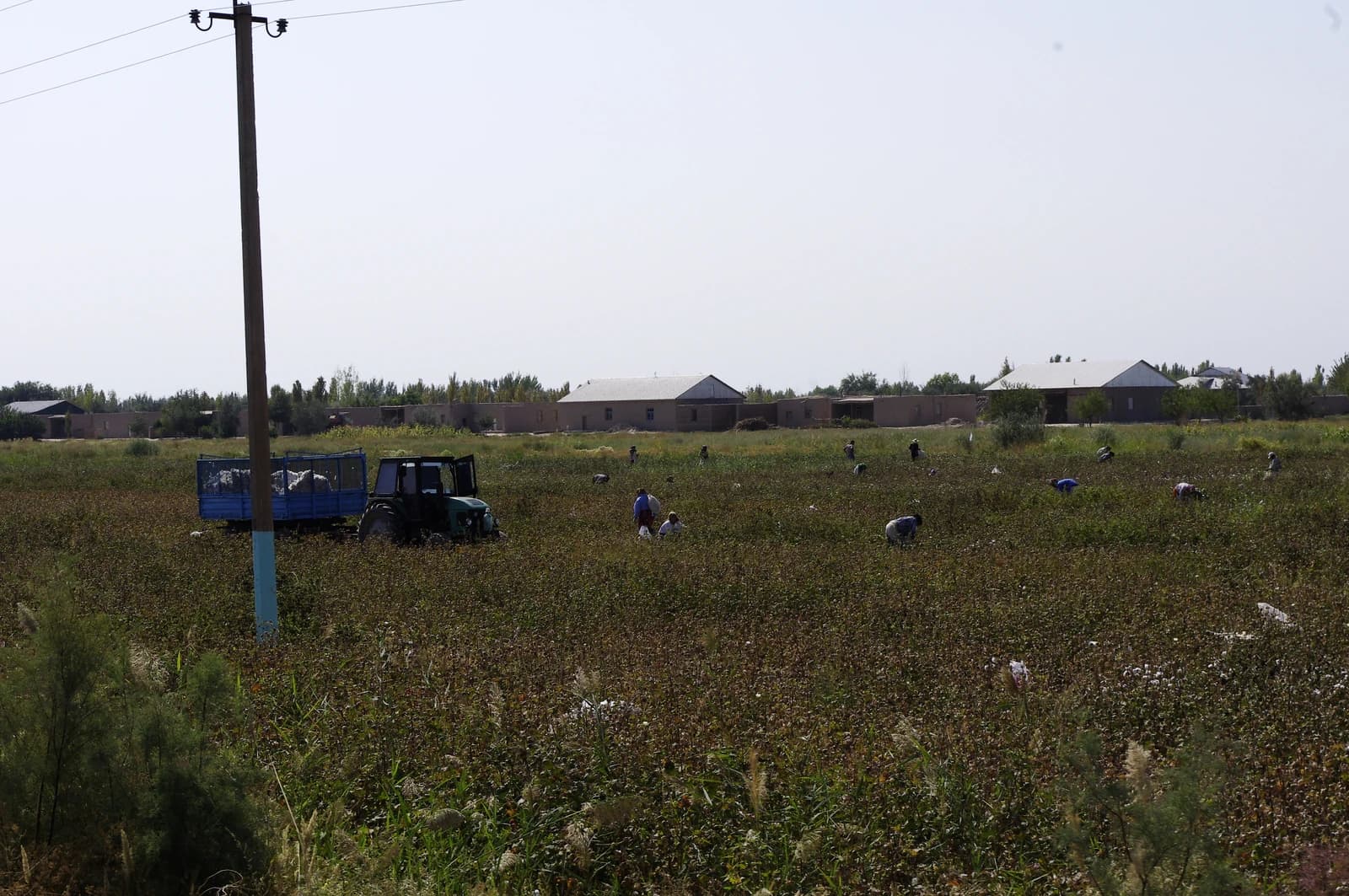
The significance goes beyond a single bumper crop. Cotton still matters for farm incomes, textile supply chains and export earnings in a country where agriculture remains a major source of employment and foreign-currency generation. A stronger harvest improves immediate cash flow for growers and processors, while a higher yield target for 2027 signals that Tashkent is trying to turn a cyclical production gain into a more durable productivity trend.
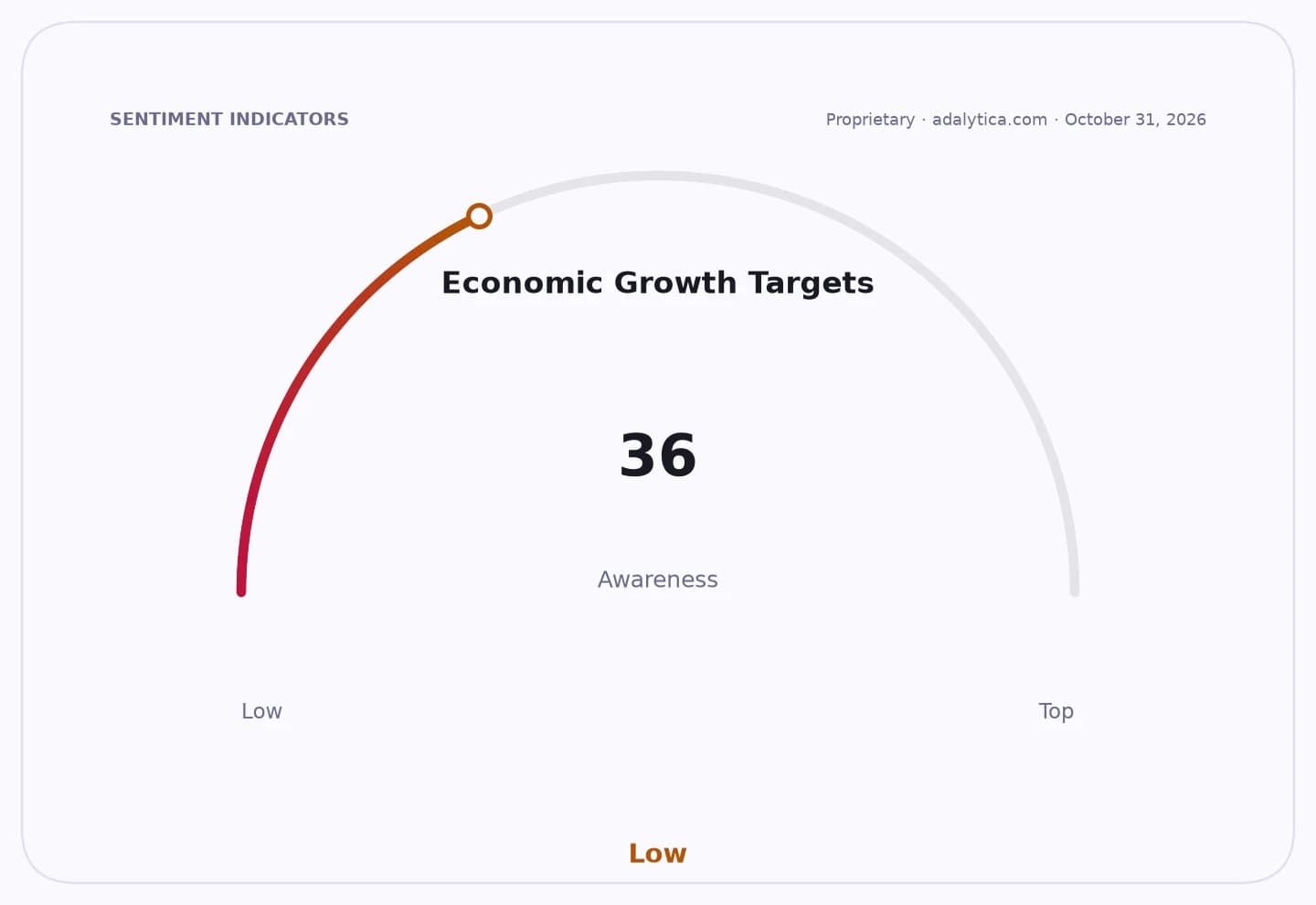
Sentiment Indicators
Economic Growth Targets
That matters for investors because cotton output influences everything from raw fiber availability to regional textile manufacturing margins and trade balances. Higher yields can lower unit costs for downstream processors, support rural spending and reduce pressure to import higher-value agricultural inputs. For commodity markets, a sustained increase in Uzbek supply can also add to competition in a market already shaped by weather risk, logistics constraints and volatile global demand.
The narrative is one of state-led agricultural upgrading. Uzbekistan has been moving to modernize farming, improve irrigation and push higher productivity per hectare rather than rely only on acreage expansion. Mirziyoyev’s decision to set a more aggressive 2027 target suggests the government sees the record harvest not as an endpoint, but as proof that reforms and better farm management can still deliver gains.
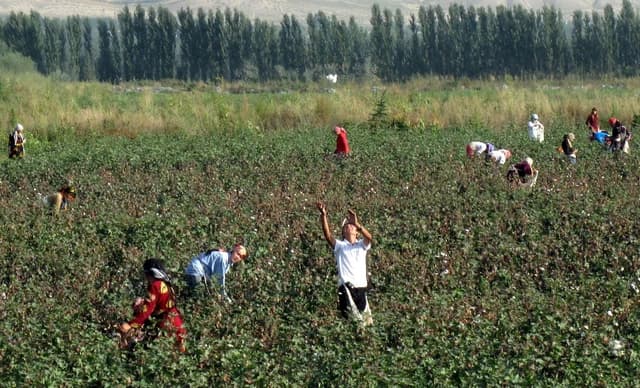
For domestic stakeholders, that creates a split. Farmers and ginners stand to benefit from higher output and potentially better margins if productivity rises faster than costs. But the government will also face pressure to keep extending the gains through investment in water efficiency, mechanization and logistics, especially if cotton prices weaken or climate conditions turn less favorable.
The broader investment takeaway is that Uzbekistan is trying to reprice its agricultural story: from low-yield, state-directed production to a more efficient export platform. If the record harvest proves repeatable, it could support rural incomes and textile industry growth. If not, the higher target risks exposing how dependent the sector still is on favorable weather, policy support and execution.
| Entity | Gains | Losses |
|---|---|---|
| Uzbek farmers | ▲Higher output and incomes | ▼Greater pressure to hit targets |
| Cotton processors/textiles | ▲More raw fiber supply | ▼Need to absorb expansion costs |
| Uzbekistan government | ▲Stronger export story | ▼Reputational risk if yields slip |
| Global cotton rivals | ▲— | ▼More supply competition |