Iran says it still wants diplomacy to end its war with the United States, but President Donald Trump signaled the gap remains wide, keeping Middle East risk premiums elevated across oil, gold and broader markets.
Iran, U.S. keep diplomacy alive as oil risk stays high
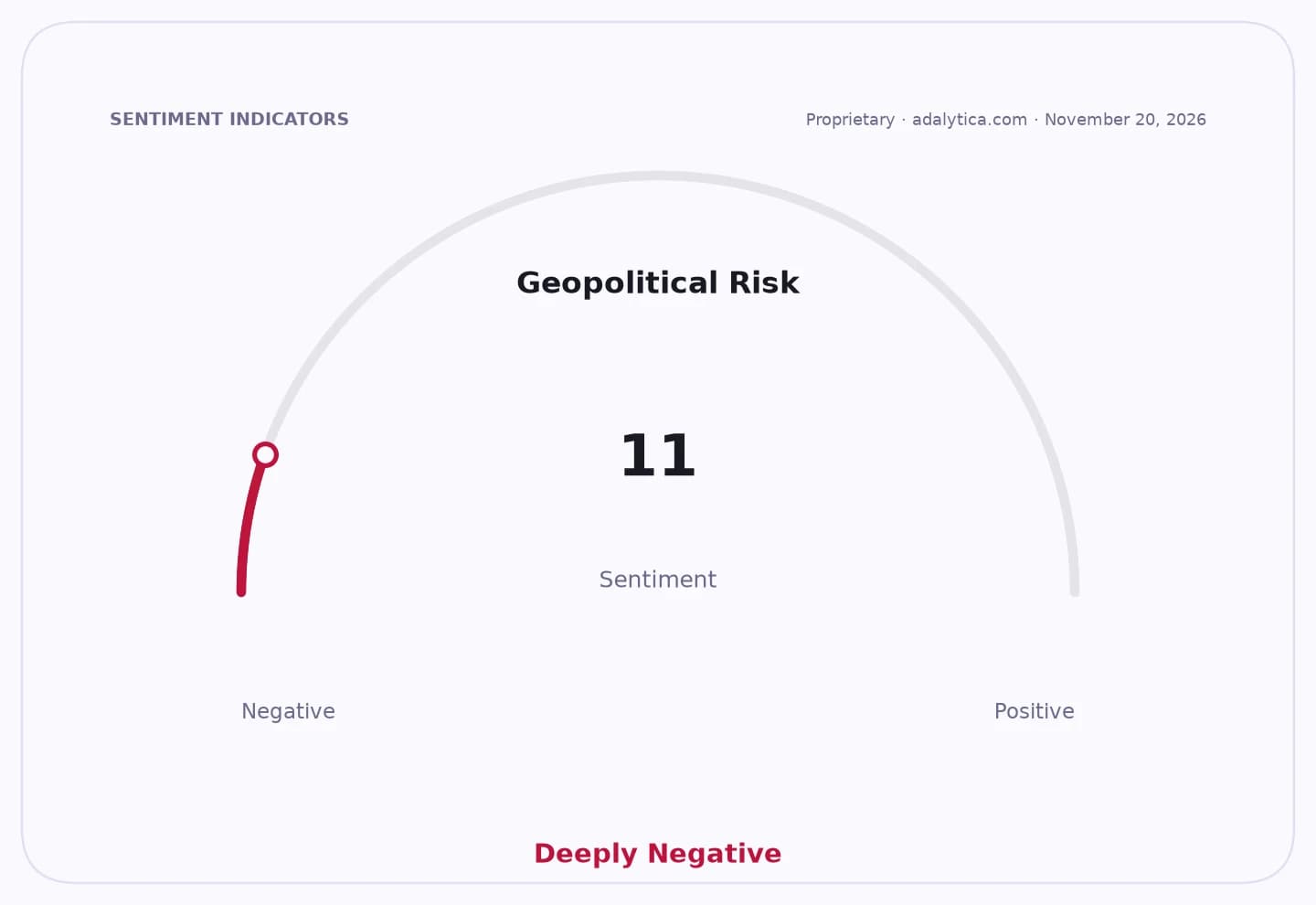
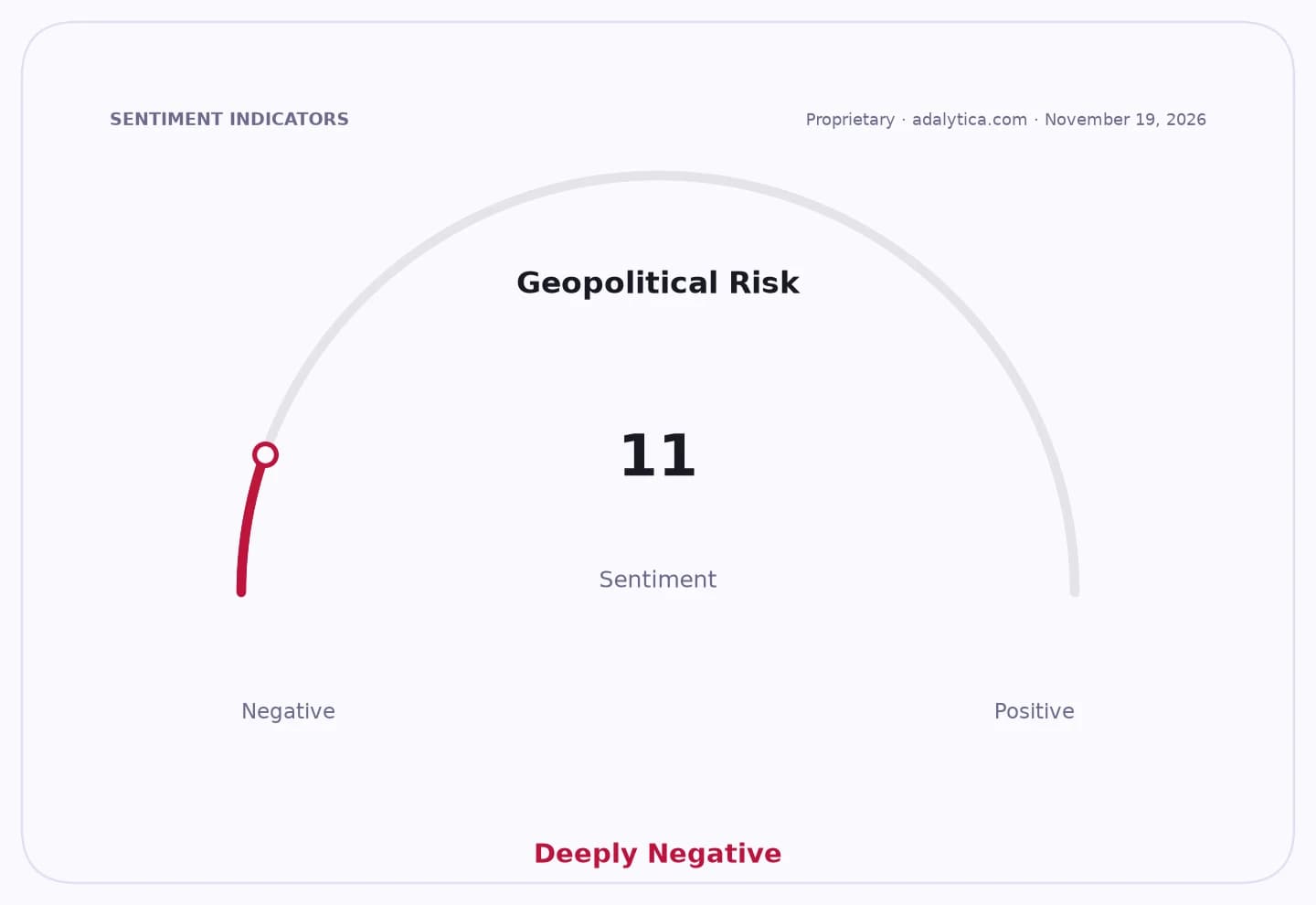
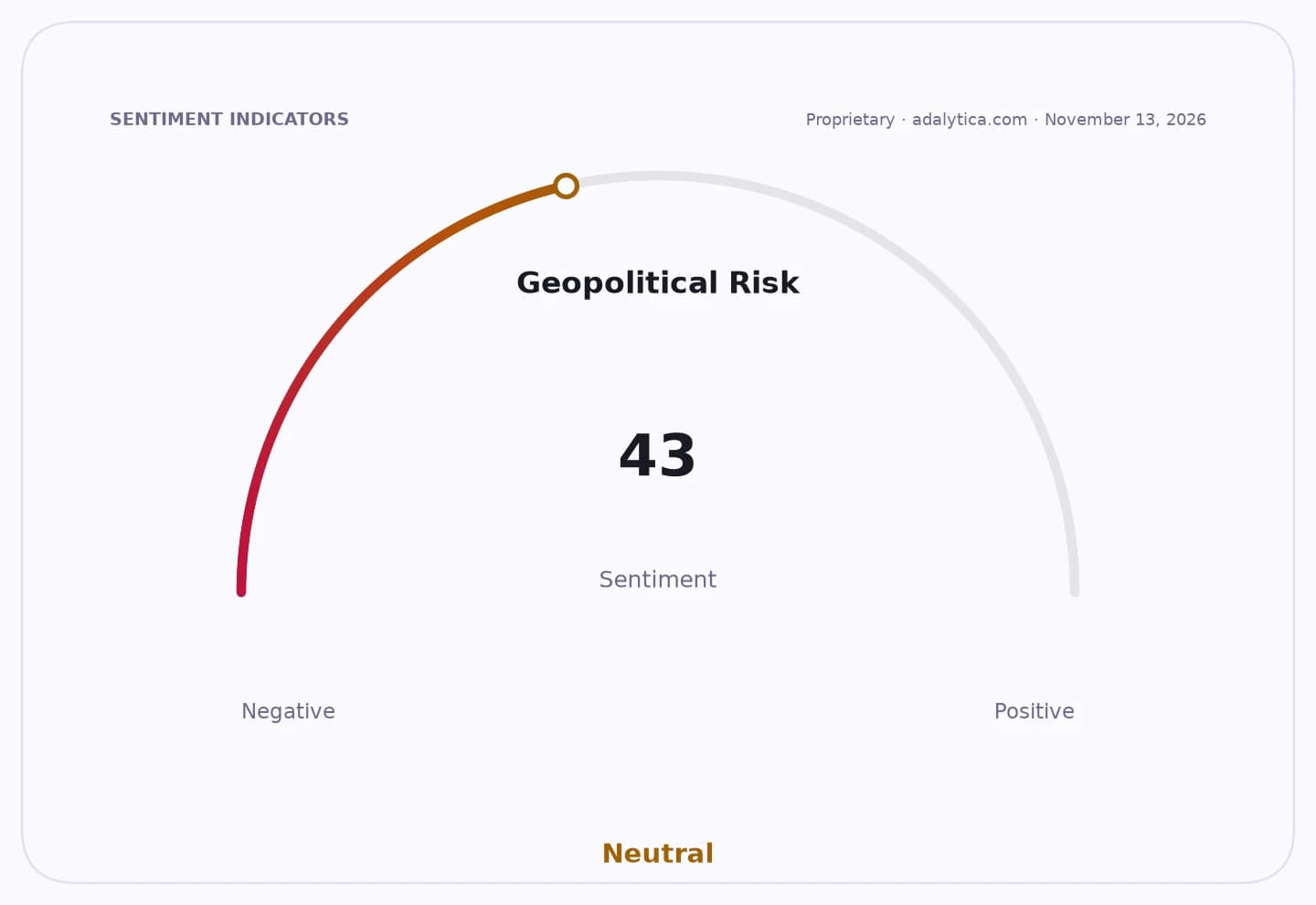
Geopolitical Risk
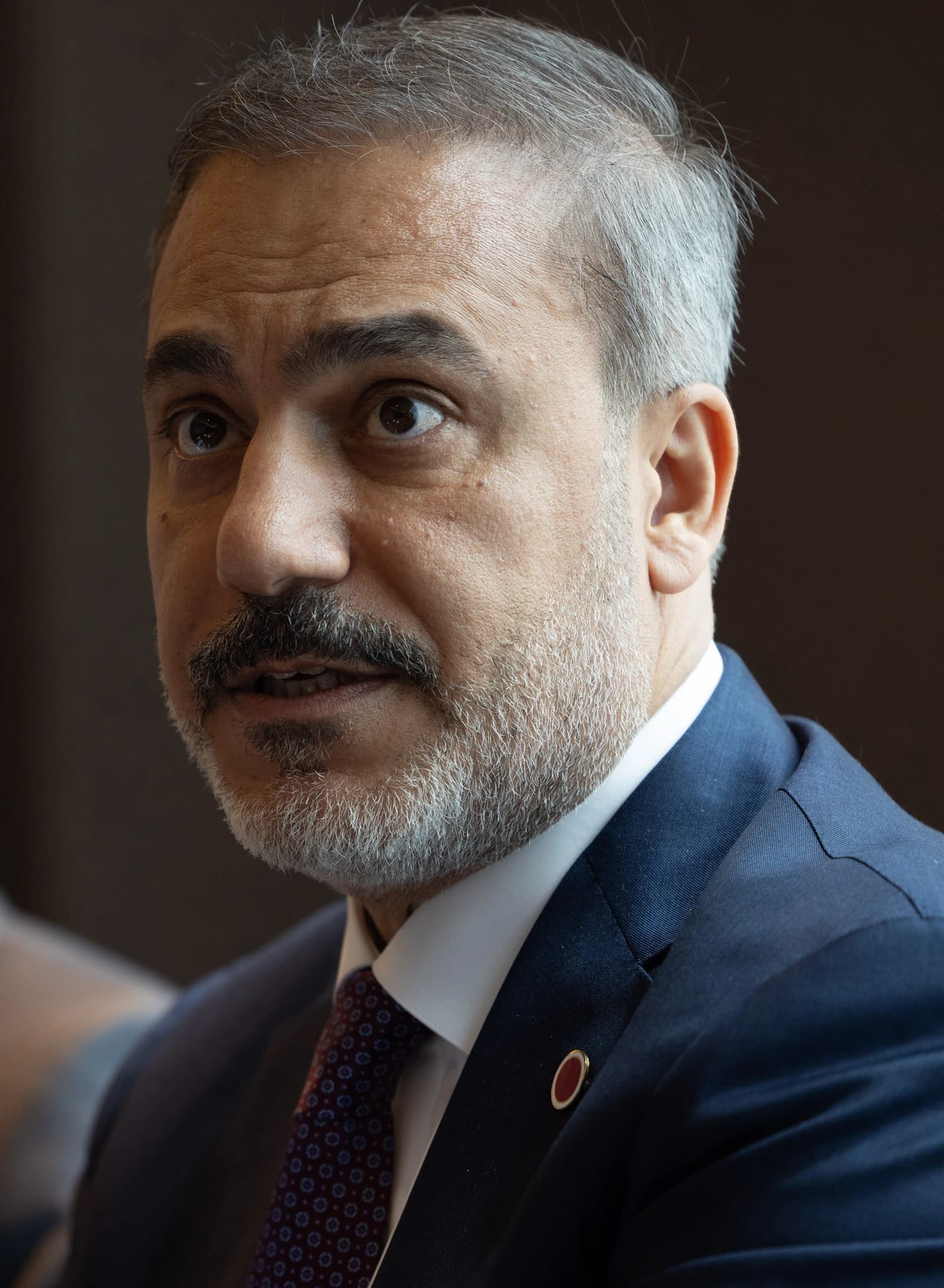
Foreign Minister Abbas Araqchi said Tehran is still exchanging messages with Washington through mediators and wants “an agreement that would ensure there was no further war,” while also demanding guarantees the U.S. is serious before moving ahead. Trump, by contrast, said Iran wants a deal “but they don't want to make a deal that's acceptable to me.”
Sentiment Indicators
Geopolitical Risk
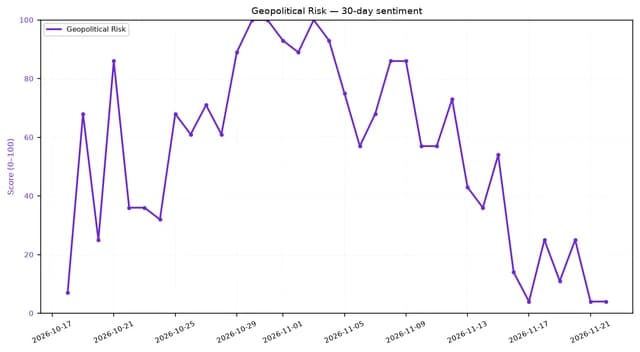
The stakes are economic as much as geopolitical. The conflict has disrupted shipping, lifted global energy prices and pulled in Gulf states, with each failed diplomatic push raising the odds of more attacks on infrastructure and trade routes. That keeps pressure on transport costs, inflation expectations and risk appetite well beyond the region.
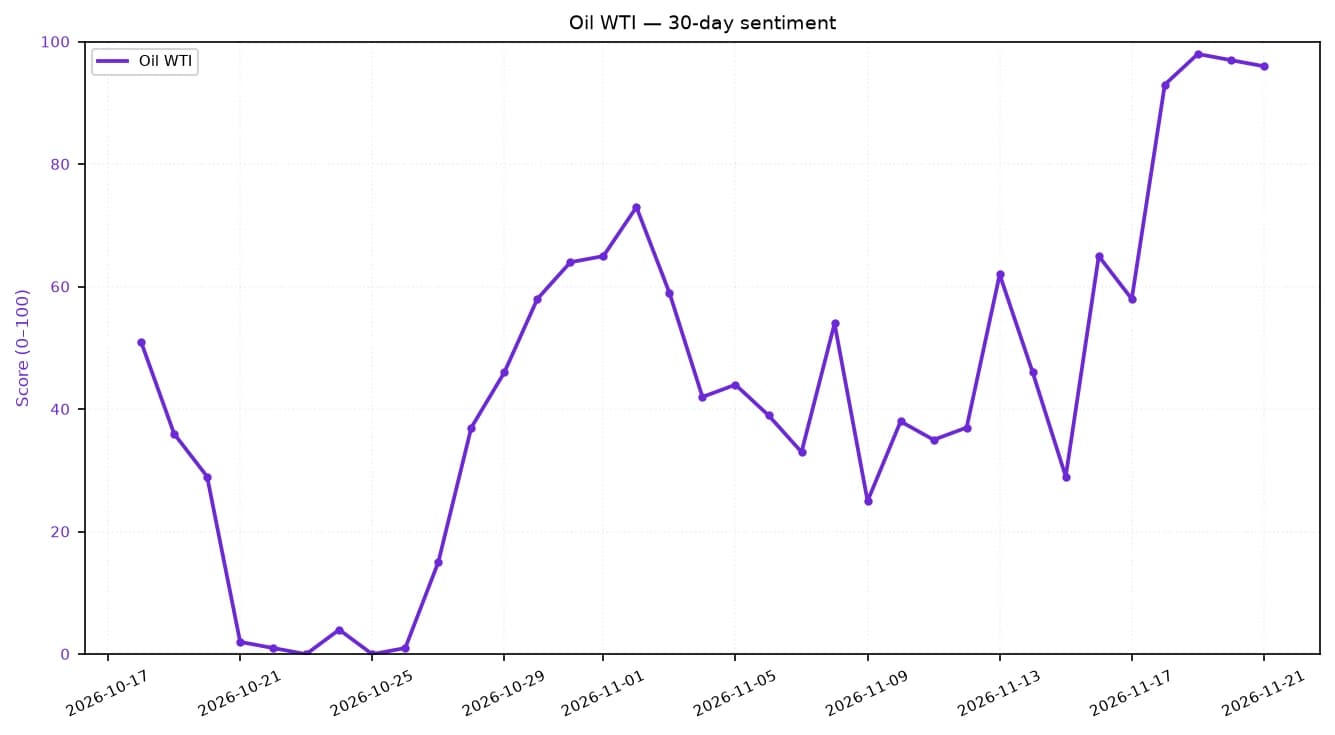
Markets already show how sensitive traders are to the standoff. U.S. crude proxy USO closed at $60.51 on Friday, near a sharp pullback from its November peak but still above the 50-day moving average at $64.66, while the oil signal gauge from Adalytica.com remains at “Extreme Greed,” reflecting persistent war-risk positioning even as short-term momentum eases. Gold proxy GLD fell to $322.87, but the metal remains tied to haven demand after months of conflict-driven volatility.
The latest comments also underscore the leverage points in any deal. Araqchi said keeping highly enriched uranium in Iran remains a red line, though he said a “fair solution” is still possible, including formulas discussed in the past that could involve dilution under International Atomic Energy Agency supervision. The IAEA had estimated Iran held 440.9 kg of uranium enriched to 60% before strikes on nuclear facilities in June 2025.
Qatar and Iranian officials met this week in another effort to narrow differences, but the gap between Tehran’s demand for guarantees and Trump’s insistence on acceptable terms suggests negotiations remain fragile. For investors, the key risk is that diplomacy stalls and the war remains a live catalyst for oil, shipping and defense markets.
| Entity | Gains | Losses |
|---|---|---|
| Oil producers | ▲Higher war-risk pricing | ▼Demand fears if conflict broadens |
| Consumers/importers | ▲Shorter-lived price relief if talks advance | ▼Higher fuel and transport costs |
| Gold and havens | ▲Safe-haven inflows | ▼Easing demand if diplomacy improves |
| Shipping and airlines | ▲— | ▼Route disruption and higher costs |