Inflation in Iran’s West Azerbaijan province has climbed above 107%, underscoring how entrenched price pressures have become in the country’s western regions and how little relief households are getting from broader stabilization efforts.
Iran West Azerbaijan inflation tops 107%
The reading matters because it points to a local economy where wages, savings and consumption are being eroded far faster than in a normal high-inflation environment. At that pace, even essential goods become difficult to budget for, forcing families to cut spending, businesses to reprice constantly and local authorities to confront a worsening affordability crisis. For investors and policymakers, it is another sign that Iran’s inflation problem is not just persistent but regionally uneven, which raises the risk of social strain, weaker domestic demand and further pressure on the currency.
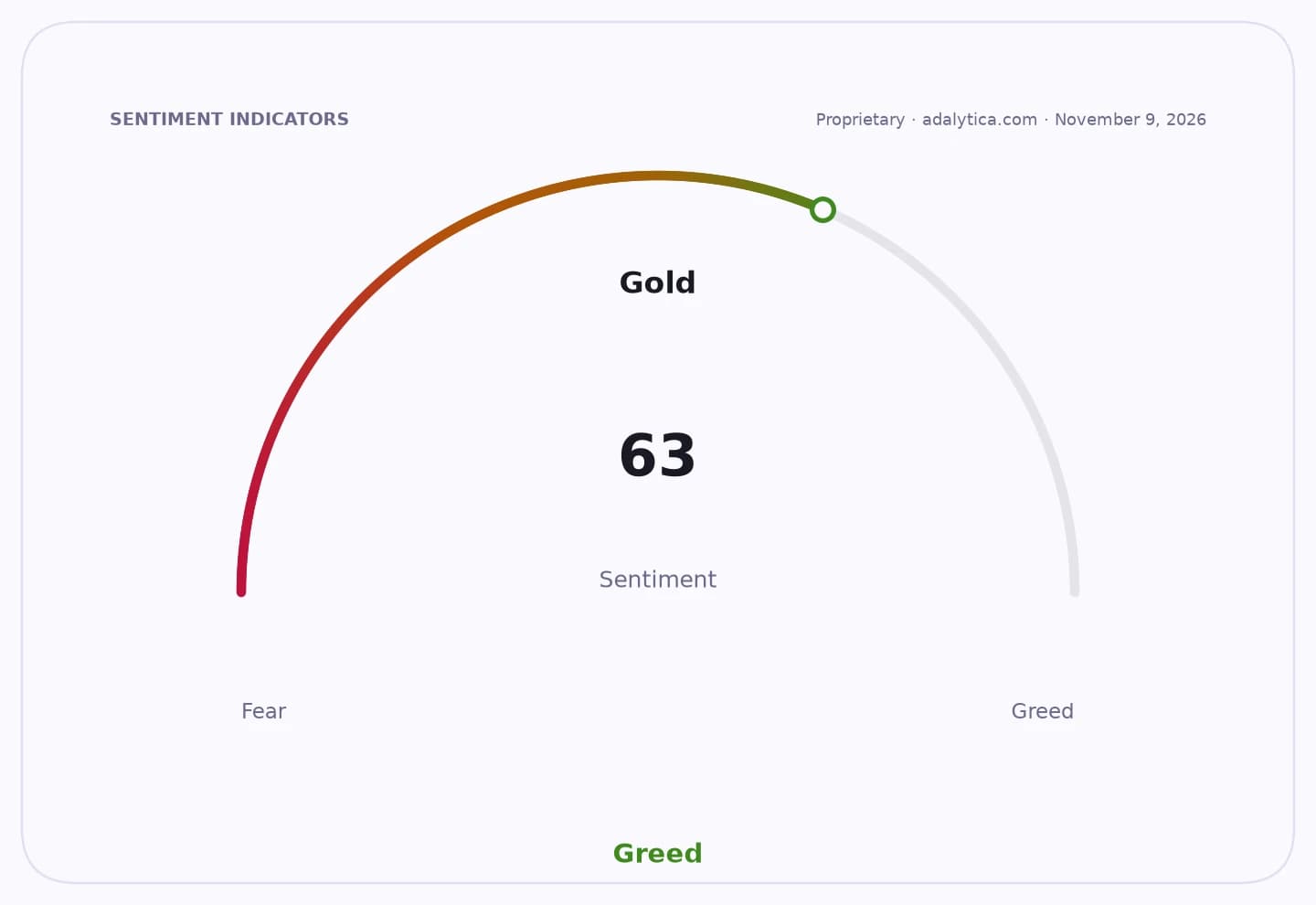
Sentiment Indicators
The figure also comes against a backdrop of broader Iranian price instability that has kept inflation near punitive levels for months. While national data can smooth over regional distortions, a province-level rate above 100% suggests severe supply-chain frictions, exchange-rate pass-through and an economy still struggling to absorb sanctions, import costs and monetary instability. In practical terms, that means the gap between official inflation management and lived experience remains wide.
For markets, the implication is less about a tradable price move than about the durability of macro stress in Iran. Persistent inflation at this scale tends to weaken purchasing power, reinforce demand for hard currency and gold, and deepen capital flight risk. It also complicates any effort by authorities to restore confidence in the rial or encourage longer-term investment, because businesses cannot plan pricing, margins or inventory with much certainty.
The broader narrative is that Iran’s inflation problem is no longer confined to headline national rates. Provincial spikes such as West Azerbaijan’s point to a fragmented economy where local shocks, import dependence and currency weakness are feeding into a self-reinforcing cycle of higher costs and lower real incomes.
Unless there is a sustained improvement in currency stability, supply conditions or policy credibility, the inflation burden is likely to remain a central economic and political risk for Iran into the coming months.
| Entity | Gains | Losses |
|---|---|---|
| Households in West Azerbaijan | ▲hard-currency savers | ▼purchasing power |
| Local retailers | ▲ability to reprice quickly | ▼consumer demand |
| Iranian policymakers | ▲justification for tighter controls | ▼economic credibility |
| Dollar and gold holders | ▲inflation hedge demand | ▼rial-denominated assets |