Point-to-point inflation in Iran's Ardabil province has jumped to 89.8%, underscoring how sharply the country’s cost-of-living crisis is cutting into households and complicating any policy response.
Iran Ardabil inflation jumps to 89.8%
The reading, reported by the Statistical Center of Iran, points to a price environment that is not merely elevated but destabilizing. In practical terms, it means consumers in the northwestern province are facing a near-doubling of prices compared with a year earlier, a pace that erodes real wages, squeezes savings and further weakens domestic demand. For an economy already burdened by sanctions, currency volatility and limited policy credibility, inflation at this level suggests that price pressures remain entrenched rather than cyclical.
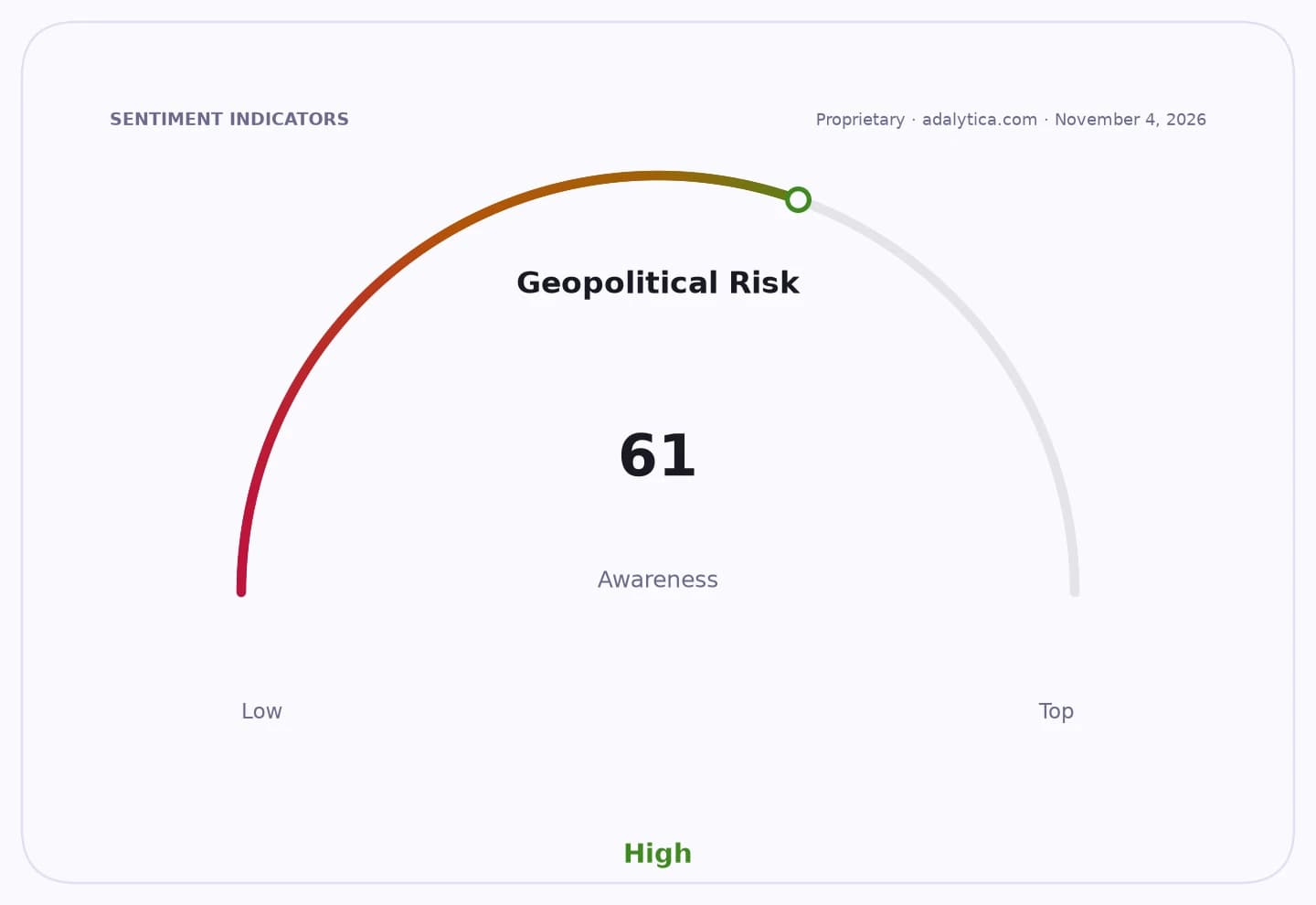
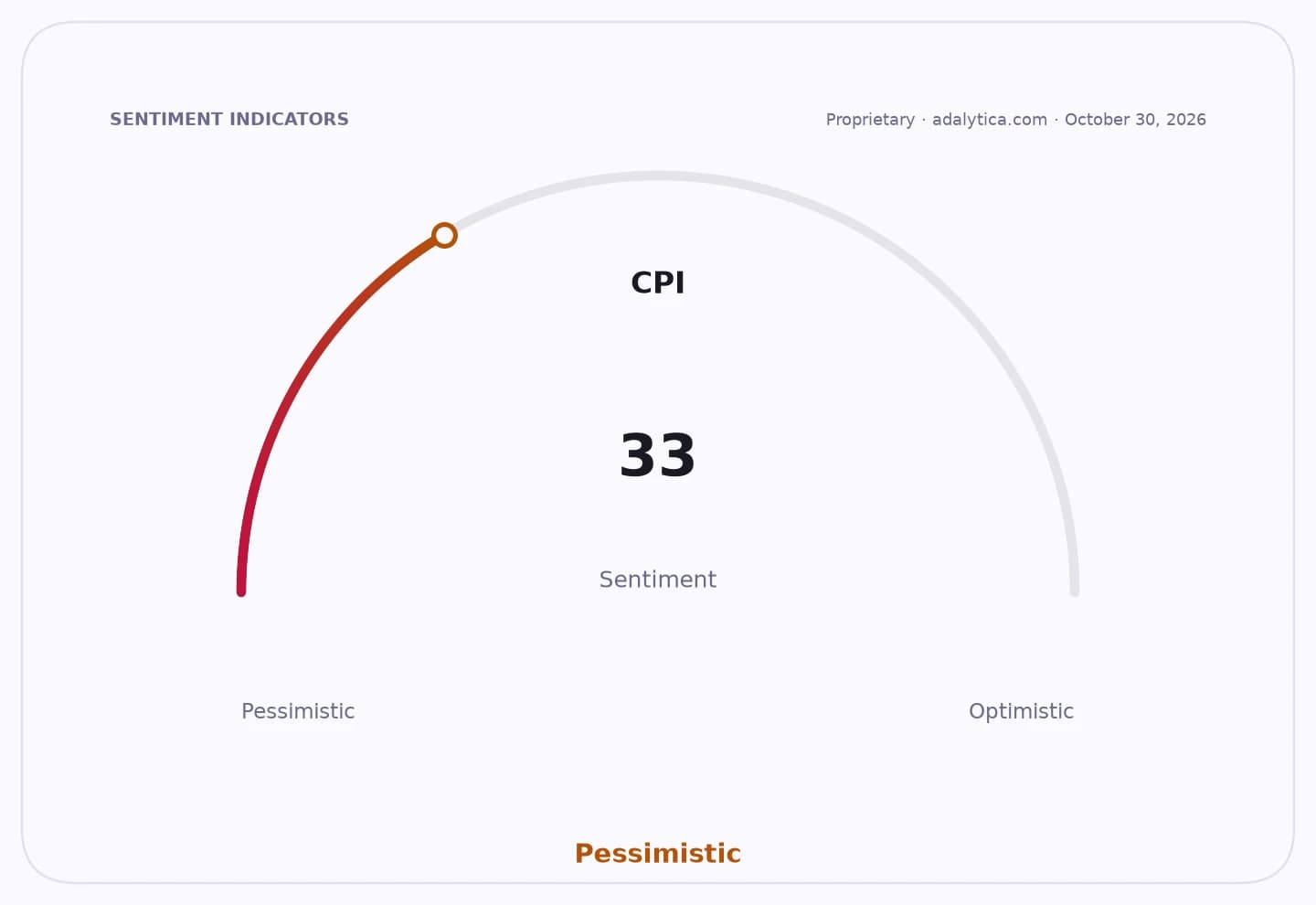
Sentiment Indicators
The surge also matters beyond Ardabil. Provincial inflation spikes often reflect a broader national imbalance in supply chains, transportation costs and access to imported goods, especially in a country heavily exposed to currency weakness. Inflation of this magnitude can force households to shift spending toward essentials, cut discretionary purchases and rely more heavily on informal coping mechanisms, while businesses face thinner margins and more unpredictable demand. That combination is rarely benign for growth.
For investors, the data reinforces the case that Iranian macro risk remains elevated even if headline market moves elsewhere suggest a temporary easing in geopolitical pressure. Persistently high inflation tends to keep pressure on the rial, support demand for hard assets and complicate any effort by authorities to restore confidence in domestic pricing. It also raises the odds of tighter administrative controls, from price caps to exchange-rate interventions, which can distort corporate earnings and impair visibility for any sector exposed to local consumption.
The broader narrative is one of an economy trapped between external sanctions and internal inflation. With food, fuel and transport costs feeding through the system, the burden falls hardest on households with fixed incomes and on firms dependent on imported inputs. Unless there is a meaningful improvement in foreign exchange access or a durable easing in geopolitical pressure, price stability is likely to remain out of reach.
| Entity | Gains | Losses |
|---|---|---|
| Hard assets | ▲Safe-haven demand | ▼Confidence in the rial |
| Exporters with hard-currency revenue | ▲FX-linked revenues | ▼Local import-dependent firms |
| Households with fixed incomes | ▲None | ▼Purchasing power |
| Iranian authorities | ▲Scope to use controls | ▼Policy credibility |