Montenegro’s inflation problem is being driven less by domestic demand and more by the country’s dependence on imported goods, according to Muleskovic, underscoring how a small, open economy remains vulnerable to external price shocks even as global inflation shows signs of easing.
Montenegro inflation tied to imported goods
That matters because when a country imports most of what it consumes, inflation is shaped by currency moves, energy costs, supply chains and prices set abroad rather than by local policy alone. For Montenegro, that limits the reach of domestic stabilization tools and means households and businesses can feel price pressure even if local activity is weak. It also leaves the economy exposed to the strength of the US dollar and to global commodity swings at a time when broad price conditions remain uneven.
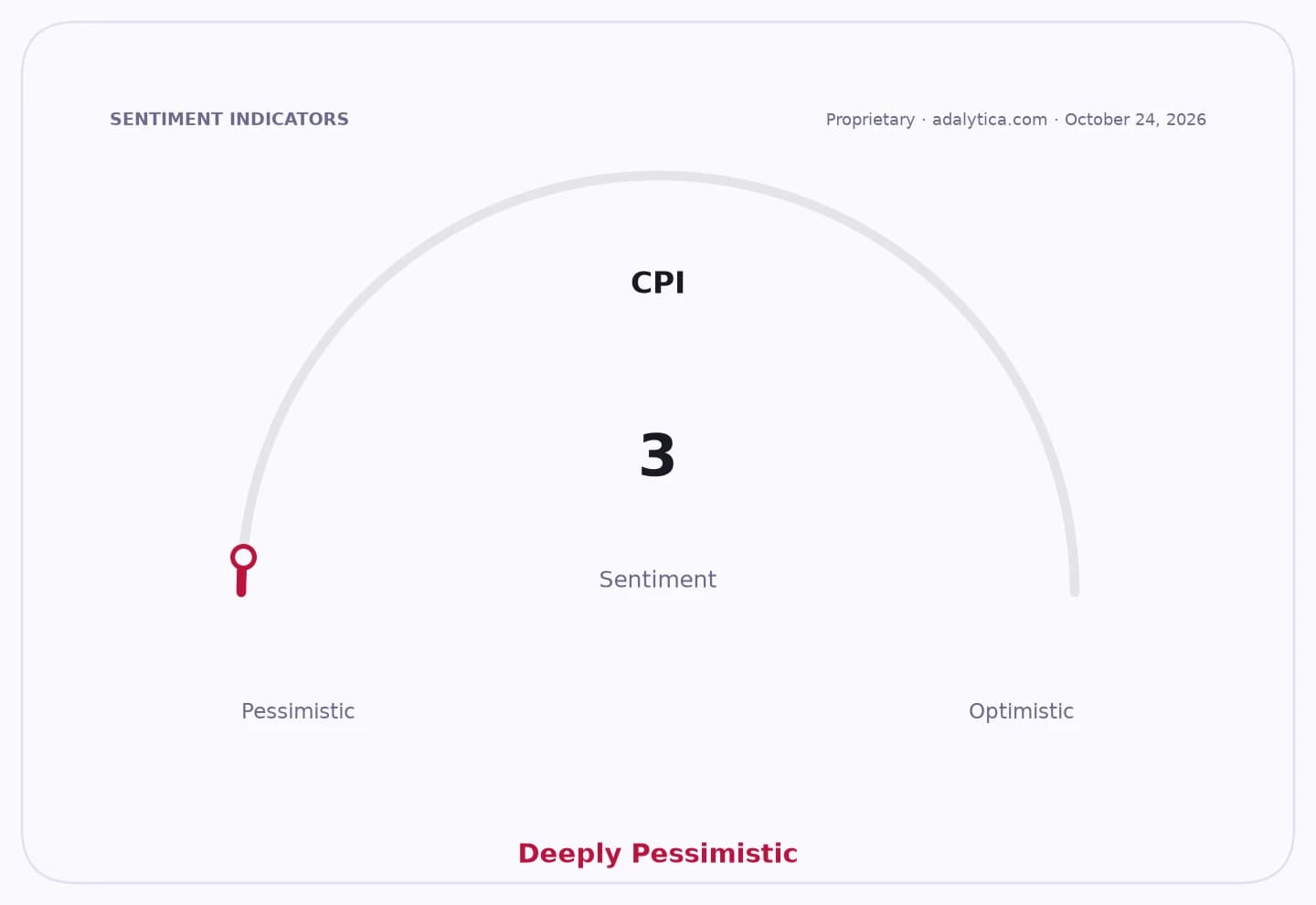
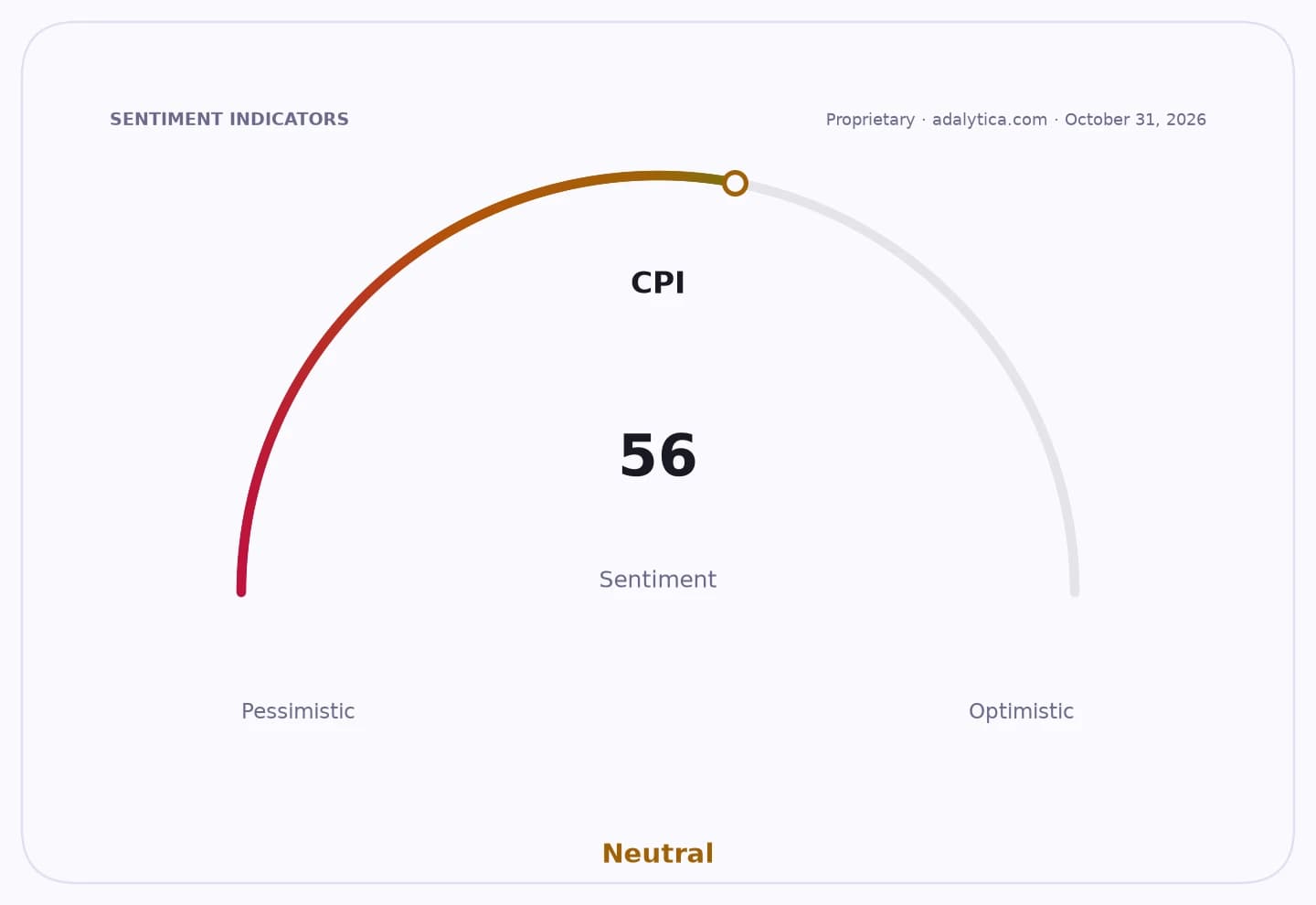
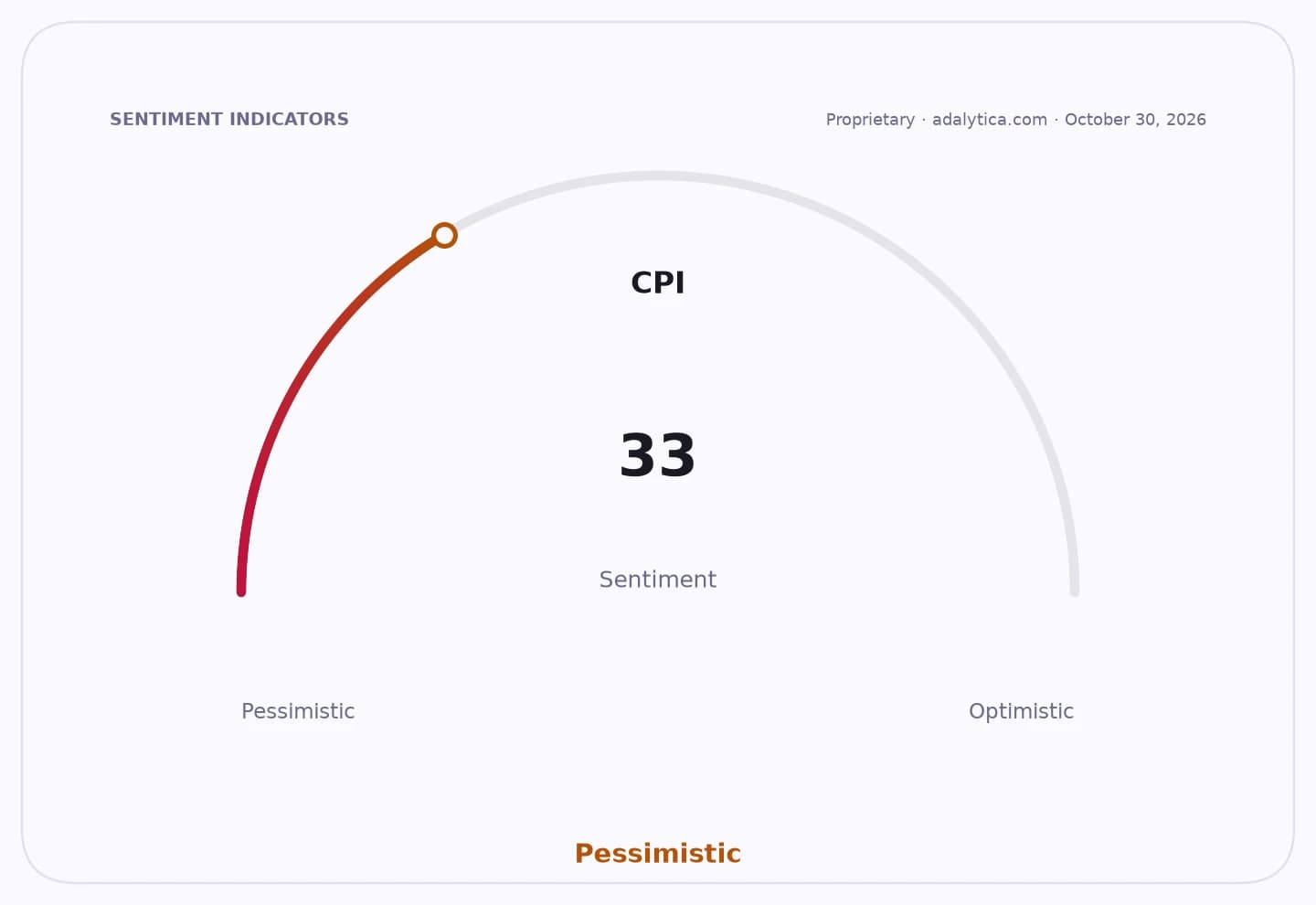
Sentiment Indicators
The wider market backdrop reinforces that risk. The dollar has strengthened sharply in recent weeks, with the UUP exchange-traded fund closing at 29.01 on Oct. 30, above both its 50-day and 200-day moving averages, while its RSI has cooled from overbought levels to 43.6, suggesting the recent surge is still intact but may be pausing. A firmer dollar tends to make imported goods and energy more expensive for countries that rely on foreign supply, and that can feed directly into consumer prices.
Bond markets also suggest inflation is still far from resolved. The US 10-year Treasury yield was last around 5.05%, near a multiyear high in the data provided, reflecting persistent expectations that inflation will stay sticky enough to keep policy restrictive. Higher global yields matter for Montenegro because they lift financing costs across emerging and smaller European economies and can tighten conditions even without domestic rate action.
Commodity pricing is another transmission channel. The DBA agriculture fund has fallen to 26.90, below its 50-day average and with an RSI near 4.7, showing heavy technical weakness after a recent slide. Cheaper agricultural prices could help ease some imported food inflation over time, but the broader message is that Montenegro is still exposed to swings in global staples rather than setting its own price path.
For investors, the implication is that Montenegro’s inflation outlook depends heavily on external disinflation continuing and on the exchange-rate environment staying benign. If the dollar remains strong or energy and food prices firm again, local consumer prices could stay elevated even without a domestic demand boom. If global prices keep softening, the pressure could ease relatively quickly because imported inflation works both ways.
The narrative is straightforward: Montenegro’s inflation is not mainly a homegrown overheating story, but an import-price story, and that makes the country especially sensitive to global markets, currency moves and supply-side shocks that are largely outside its control.
| Entity | Gains | Losses |
|---|---|---|
| Importers | ▲Lower foreign prices if disinflation continues | ▼Higher costs when the dollar strengthens |
| Montenegro households | ▲Relief if global goods prices fall | ▼Reduced purchasing power from imported inflation |
| Export-oriented firms | ▲More stable input costs if commodities ease | ▼Weak domestic demand if inflation stays high |
| Global suppliers | ▲Steadier demand from import-dependent buyers | ▼Margin pressure if price competition intensifies |