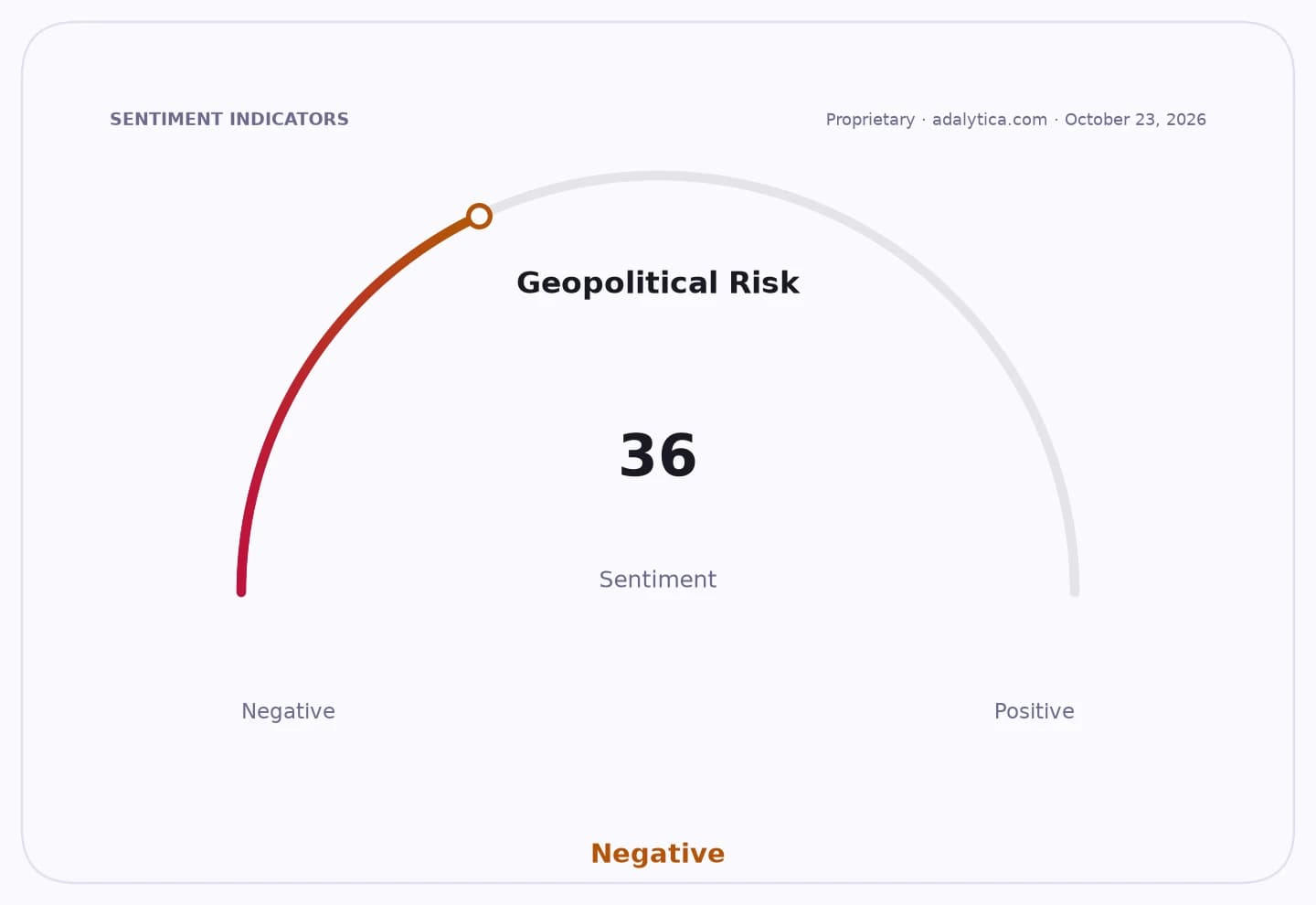
The dollar edged higher on Friday as traders sought refuge from rising geopolitical risk and positioned for next week’s Federal Reserve meeting, keeping the greenback in demand even as Treasury yields and oil prices climbed.
Dollar Rises on Geopolitical Risk and Fed Outlook

The move underscores how quickly the market is reverting to classic safe-haven behavior. A fresh escalation in tensions between Iran and the United States, along with continued Houthi attacks that pushed crude higher, lifted support for the dollar against most major peers. By late afternoon in New York, the dollar had gained 0.2% on the day to 101.810 on the DXY index, while it bought 156.90 yen, with the euro at $1.1196 and sterling at $1.3373.
Sentiment Indicators

That matters because the dollar is once again acting as the world’s pressure valve. When geopolitical risk rises, capital tends to move into the most liquid U.S. assets first — and that can tighten financial conditions globally even before the Fed acts. Higher oil prices reinforce that effect by stoking inflation expectations, which keeps Treasury yields supported and strengthens the case for a relatively firm dollar into the central bank meeting.
For investors, the key is that the dollar’s near-term direction is being driven less by growth optimism than by risk aversion and rate expectations. The euro and pound remain vulnerable if U.S. yields stay elevated, while yen strength can be uneven if oil-driven inflation keeps Treasury markets under pressure. The Canadian dollar briefly gained after reports that President Donald Trump may remove 50% tariffs on Canadian goods, but that was more a trade-specific reaction than a broad shift in the FX landscape.
US Dollar — 30-day sentimentadalytica.com
Explore this data interactively — full history, time series and cross-market comparisons.
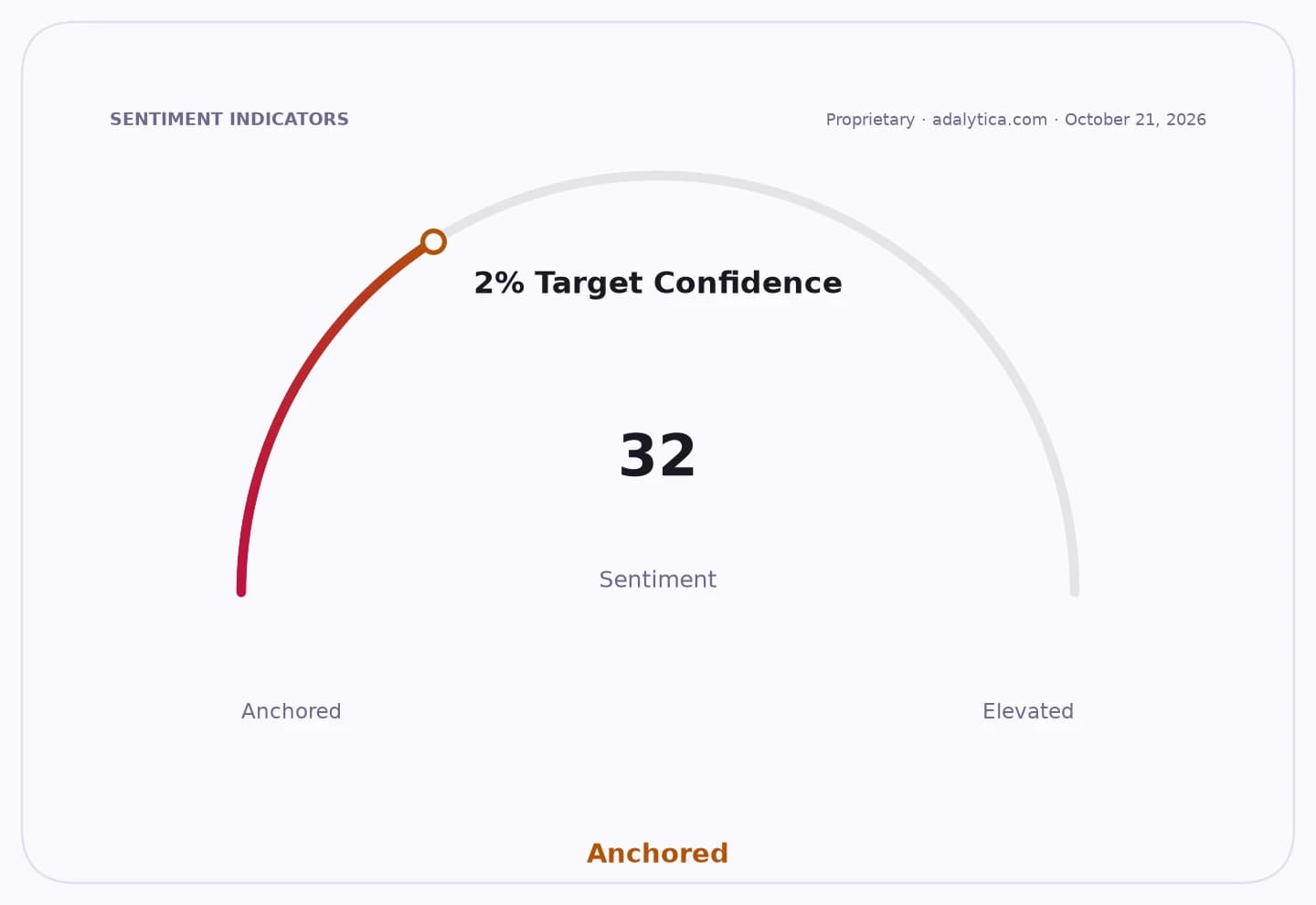
The bigger narrative is that the market is trying to balance three forces at once: geopolitics, Fed communication and the lingering impact of higher energy prices. U.S. data were mixed, with composite and services PMIs easing and inflation expectations inching higher, leaving the Fed with little room to sound dovish. That is why strategists still see the dollar holding much of its September gains.
I believe that leaves the dollar with a tactical edge even if the longer-term trend is more contested. The market underestimates how durable safe-haven demand can be when geopolitical stress coincides with sticky inflation and a central bank that is not ready to ease aggressively. For now, that argues for staying constructive on the dollar and cautious on currencies exposed to higher energy costs and weaker growth.
| Entity | Gains | Losses |
|---|---|---|
| U.S. dollar | ▲Safe-haven demand | ▼Exporters facing stronger FX |
| Treasury yields | ▲Inflation support | ▼Rate-sensitive equities |
| Oil producers | ▲Higher crude prices | ▼Importing currencies |
| Euro, pound, yen | ▲— | ▼Pressure from stronger dollar |