Oil’s latest jump is reviving the Balkans’ most familiar macroeconomic weakness: imported inflation that quickly filters into fuel, food and transport prices, with Bosnia and Herzegovina and Kosovo again the region’s most exposed.
Bosnia and Kosovo Face Higher Inflation on Oil Surge
The immediate concern is not just a higher pump price, but the risk that a renewed energy shock could reignite the inflation spiral seen in 2022, when households with the least room to absorb rising costs were hit hardest. WTI crude has climbed back above $100 a barrel, while Europe is heading into winter with gas storage only about 70% full for this time of year, leaving the region vulnerable if Middle East tensions widen or supply fears intensify.
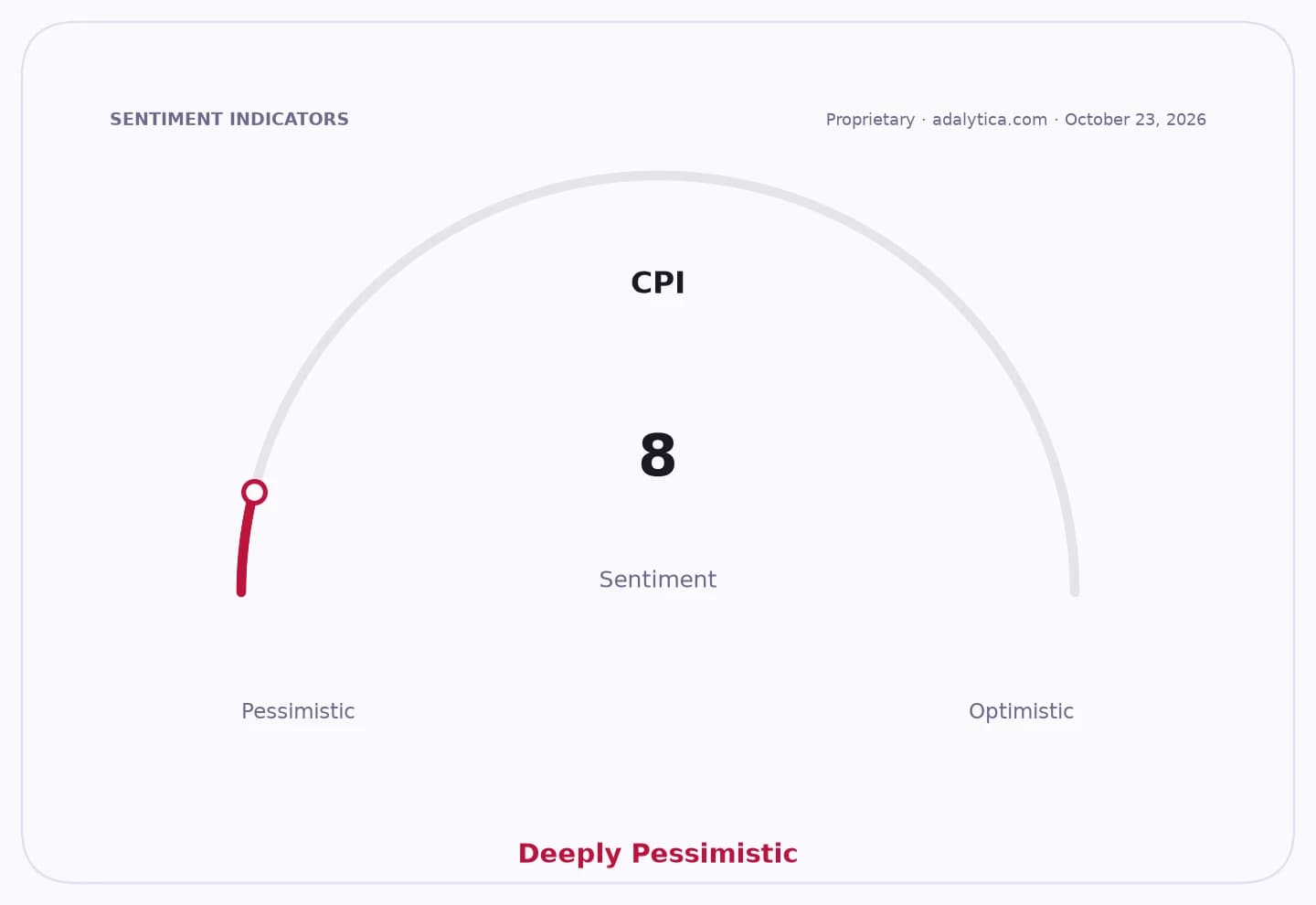
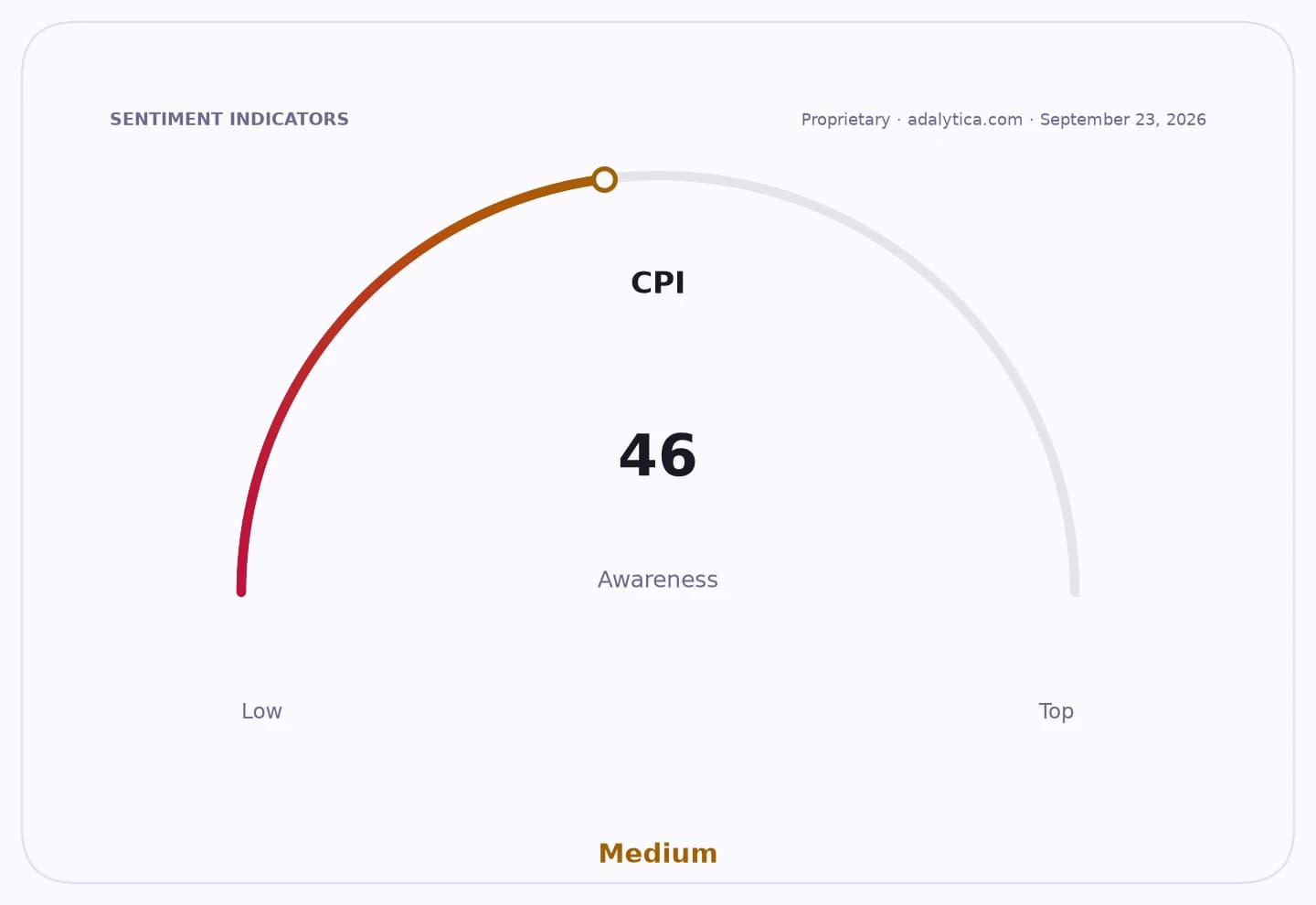
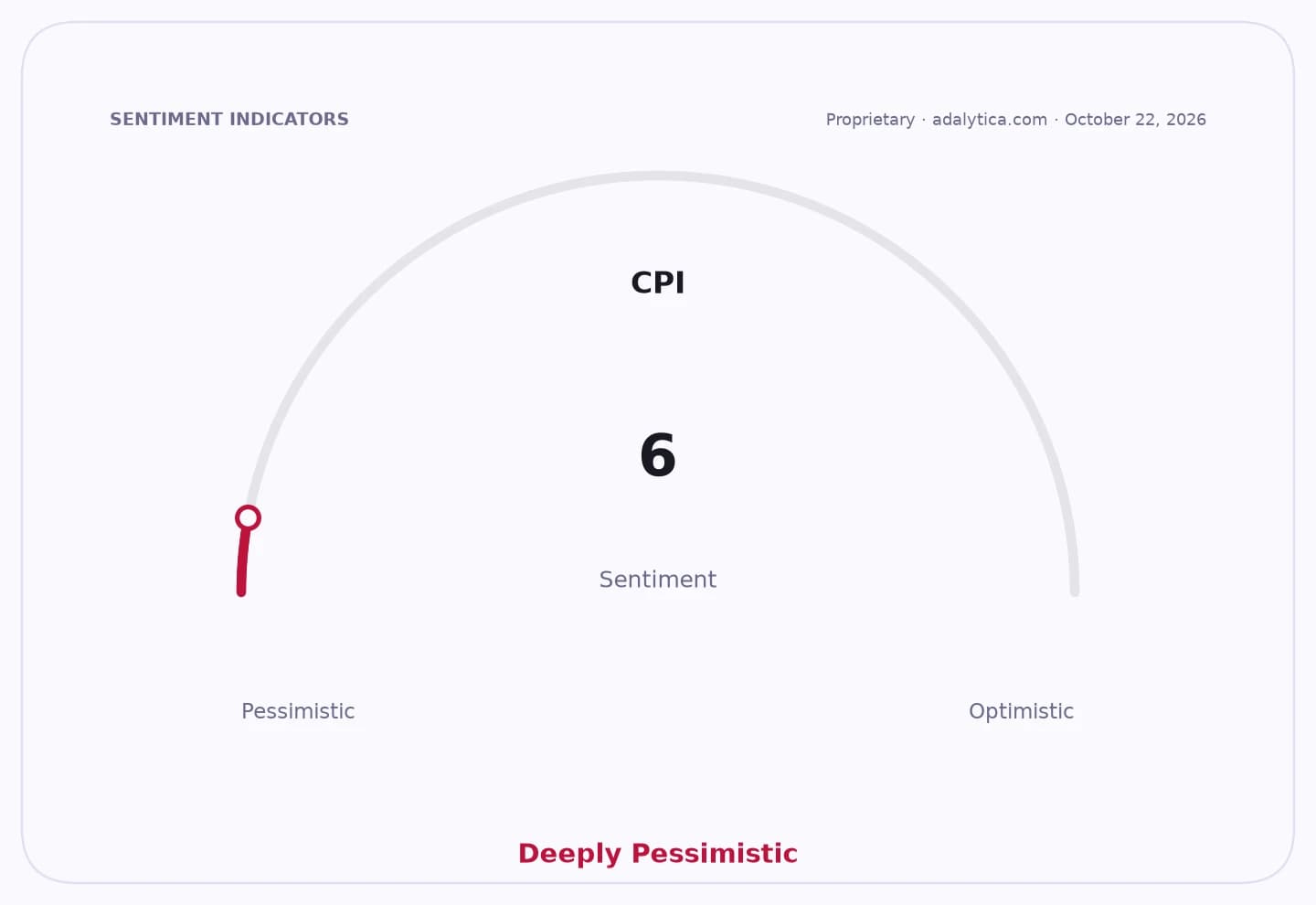
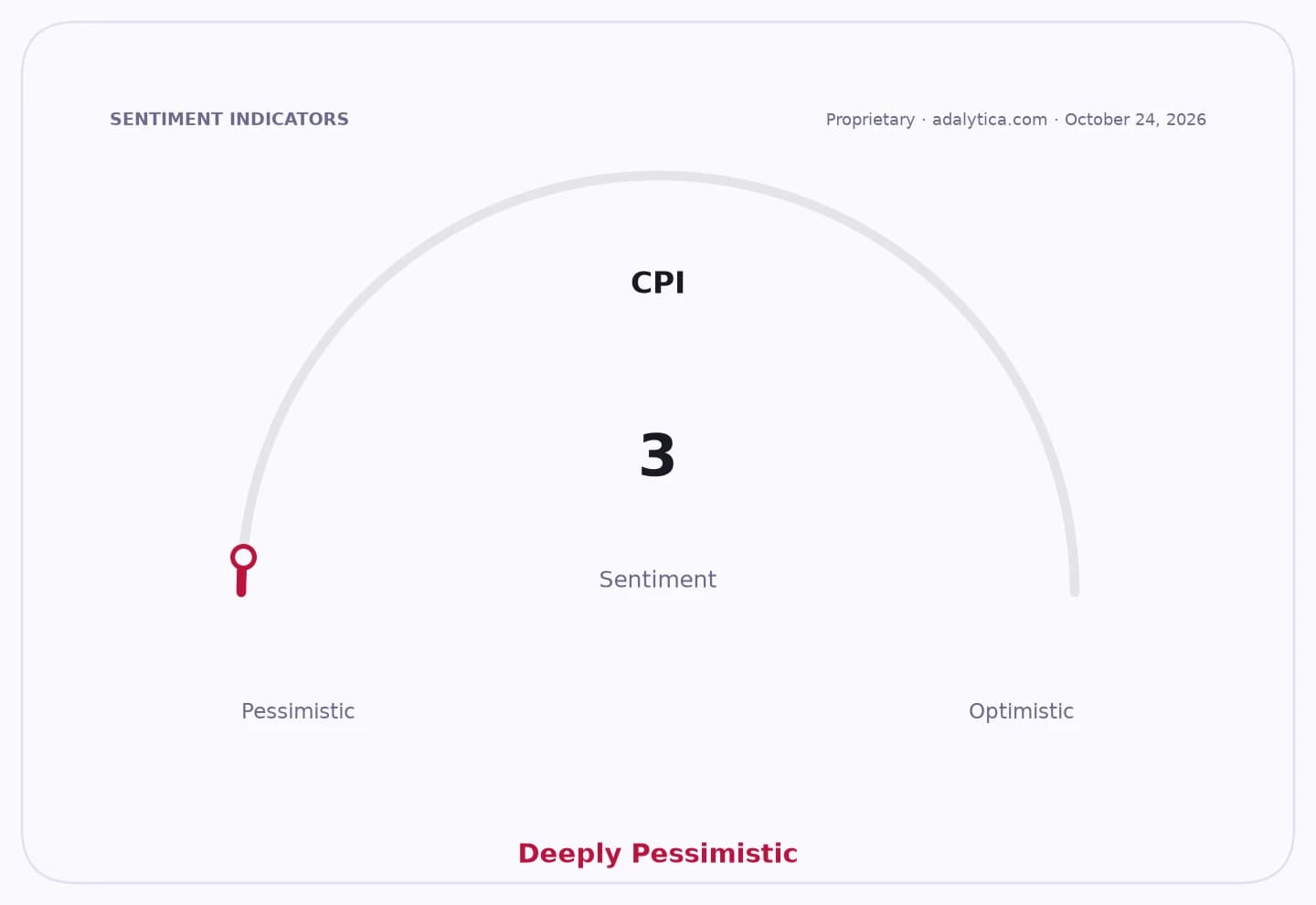
Sentiment IndicatorsⓘProprietary · adalytica.com · October 24, 2026
This is a snapshot — live sentiment, awareness and momentum for 130+ markets update continuously in the dashboard.Open AlphaPulse
According to projections cited by Vienna Institute for International Economic Studies economist Branimir Jovanovic, inflation this year is expected to average about 6% in Bosnia and Kosovo, well above the roughly 4% to 4.5% projected for Croatia, Montenegro and North Macedonia, and the roughly 3% seen in Serbia and Albania. The spread matters because it shows the region is not being hit evenly: the biggest shock is landing where policy reaction has been slower and price controls have been weaker or absent.
That difference is central to the story. Jovanovic argued that Bosnia and Kosovo were hurt less by the absolute level of global energy prices than by delayed or timid domestic responses, while Serbia and Albania moved faster with fuel-price caps or tax relief. Albania’s stronger currency also helped contain imported inflation. In other words, the damage is partly external, but the scale of the pain is still being shaped at home.
DCOILWTICO vs CPIAUCSL — macro contextadalytica.com
Explore this data interactively — full history, time series and cross-market comparisons.Open AlphaPulse
For investors, that has several implications. Higher inflation in Bosnia and Kosovo raises the odds of weaker consumer spending, more pressure on small businesses and a greater drag on already fragile growth. It also increases the likelihood that governments will be forced into some mix of fuel caps, tax cuts or subsidies, shifting the burden from households to public finances and utilities. If authorities do nothing, the cost falls on the poorest consumers; if they intervene aggressively, fiscal costs rise and margins in energy, retail and transport come under pressure.
The broader market backdrop is still unsettled. Oil’s recent move has come alongside a firmer U.S. dollar and tighter global financial conditions, making imported commodities more expensive for countries in the region. The risk is that a further rise in oil, combined with higher gas and food prices, could spread beyond fuel into a wider price round, as happened in 2022. Jovanovic warned that if oil pushes above $120, gas doubles and food costs rise by more than 10%, the Balkans could face a repeat of the last inflation shock.
There is some restraint in the latest data. Global food prices have not yet surged again, and the FAO food index was only about 2.5% above year-earlier levels in August. But that relief may not last if energy markets tighten further. For now, Bosnia and Kosovo remain the clearest warning signs of how quickly external commodity volatility can translate into domestic inflation risk in the Balkans.
| Entity | Gains | Losses |
|---|---|---|
| Oil producers | ▲Higher revenues | ▼— |
| Bosnia and Herzegovina, Kosovo households | ▲— | ▼Higher living costs |
| Governments in the Balkans | ▲Political room to intervene | ▼Fiscal strain |
| Small businesses and retailers | ▲— | ▼Margin pressure |