Iraq’s widening budget deficit is pushing policymakers to consider a return to the international debt market, a shift that would mark a break from years of relying mainly on domestic borrowing and underscore how vulnerable the oil producer has become to regional shocks.
Iraq Considers Return to International Debt Market
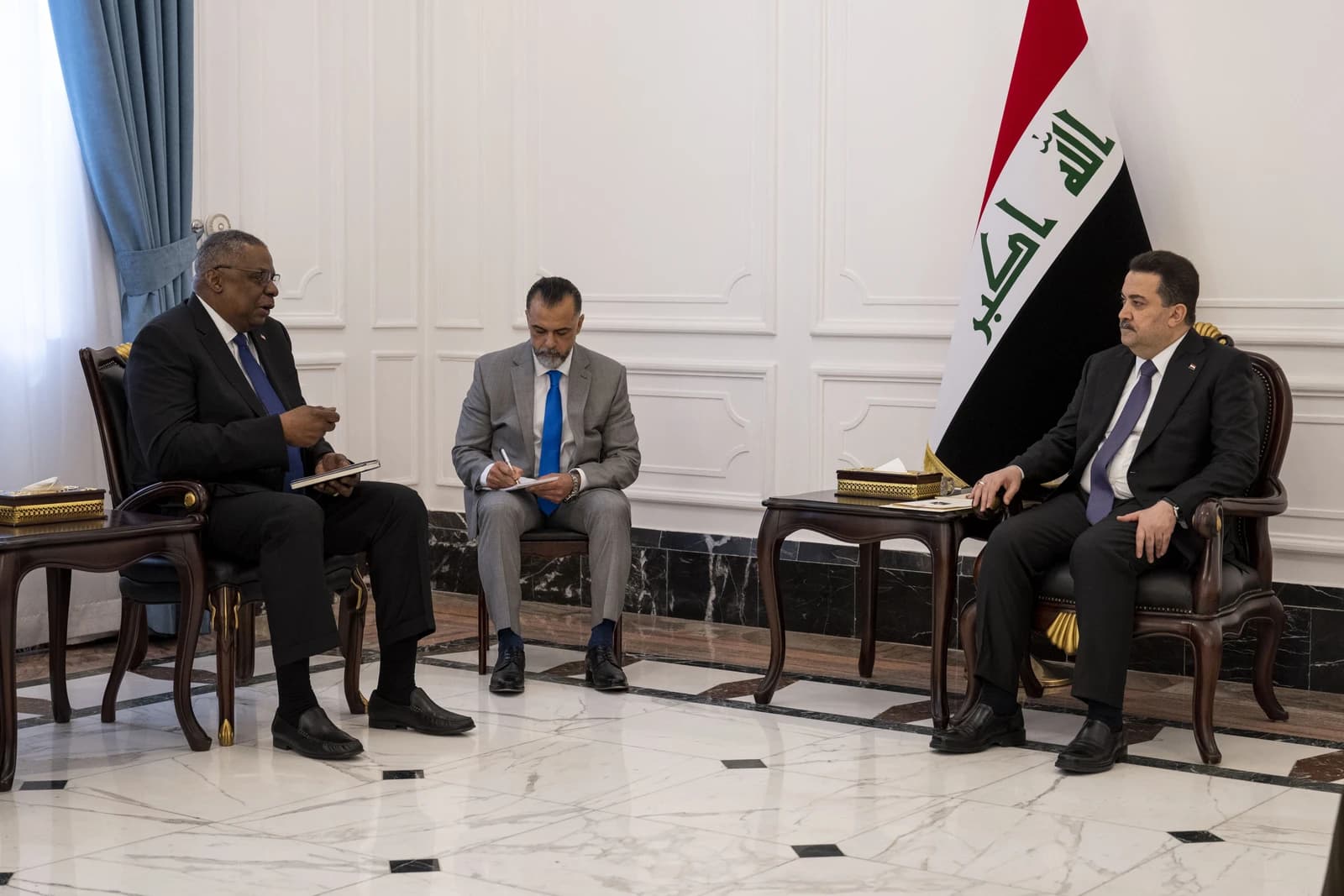
The immediate trigger is the revenue hit from closures and disruptions around the Strait of Hormuz, a critical route for Gulf energy exports and imports. For Iraq, where the public balance sheet has long been cushioned by relatively low external debt, the pressure is now large enough to revive the option of borrowing abroad even though the country has only about $13 billion of foreign public debt, according to the Central Bank of Iraq.
Sentiment IndicatorsⓘProprietary · adalytica.com · September 10, 2026
This is a snapshot — live sentiment, awareness and momentum for 130+ markets update continuously in the dashboard.Open AlphaPulse
That matters because external issuance would give Baghdad access to a broader investor base and potentially cheaper and longer-dated funding than the domestic market can provide. It would also signal that the government’s fiscal gap has outgrown the capacity of local banks and state financing channels, a development that often comes with higher refinancing risk if oil receipts stay volatile or spending remains rigid.
For investors, the story is less about one bond deal than about Iraq’s credit trajectory. A debut or return to the international market would test appetite for a sovereign with low foreign leverage but weak fiscal flexibility, heavy dependence on hydrocarbons and exposure to geopolitics. If executed well, it could widen financing options and support near-term stability. If done under stress, it could raise questions about debt sustainability and the government’s ability to avoid a larger adjustment later.
The move also fits a broader pattern in emerging markets, where governments facing revenue shocks are being forced to choose between austerity, domestic crowding-out and tapping global capital markets. Iraq’s limited external debt leaves it room to borrow, but the timing will matter: higher global rates and shifts in risk appetite could make the market more expensive just as Baghdad needs it most.
For now, the key issue is whether Iraq uses the international market as a temporary bridge or the start of a more persistent funding reliance. That answer will shape the sovereign’s financing costs, banks’ balance-sheet exposure and the government’s room to maneuver if regional tensions again disrupt trade and oil flows.
| Entity | Gains | Losses |
|---|---|---|
| Iraq government | ▲Wider funding access | ▼Higher debt-service burden |
| International bond investors | ▲New sovereign supply | ▼Exposure to geopolitical risk |
| Domestic banks | ▲Less sovereign crowding-out | ▼Lower captive lending demand |
| Oil-linked fiscal balance | ▲Near-term liquidity support | ▼Continued vulnerability to shocks |