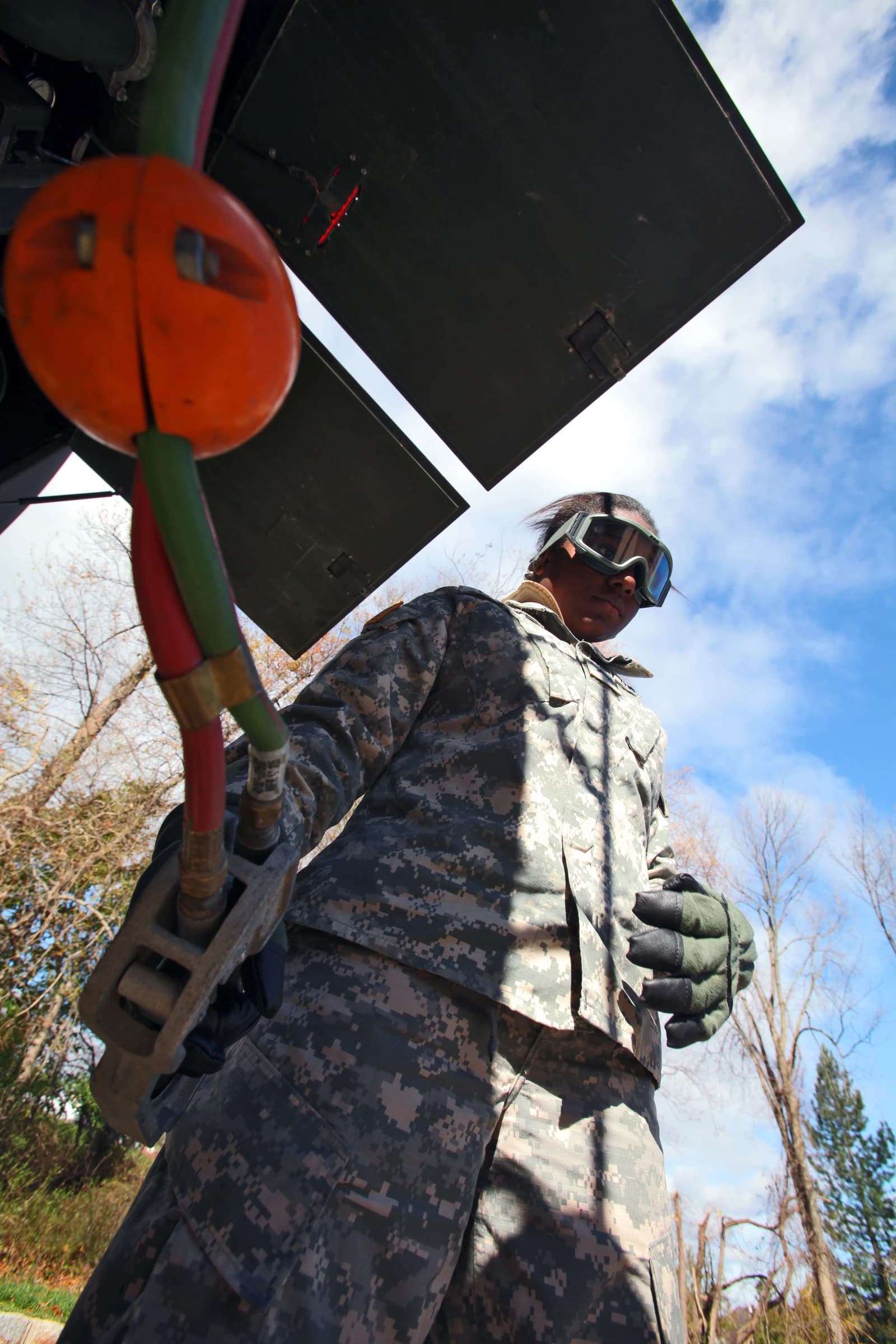
Motorists in Iraq are waiting up to two hours to refuel as the Middle East war disrupts fuel flows, exposing how even one of OPEC’s biggest oil producers can struggle to get petrol to pumps when regional supply chains are shaken.
Iraq fuel shortages as oil prices rise
The shortages matter economically because they turn a geopolitical shock into an everyday supply problem. Iraq sits on vast crude reserves, but reserves do not keep cars moving if refineries, distribution routes and cross-border deliveries are disrupted. The result is a shortage that can hit transport, food delivery and small business activity, while also adding pressure to inflation at a time when households are already absorbing higher living costs.
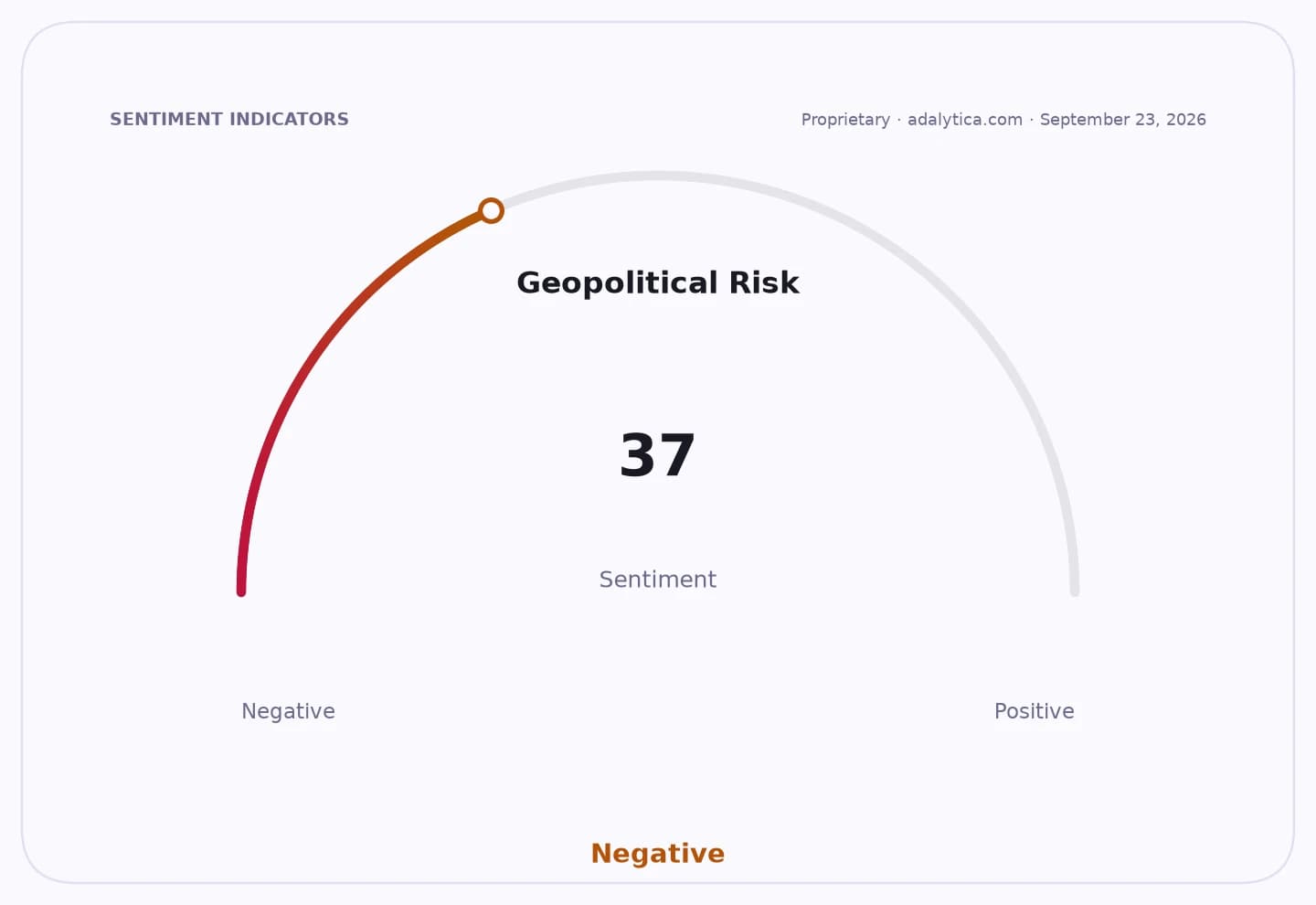
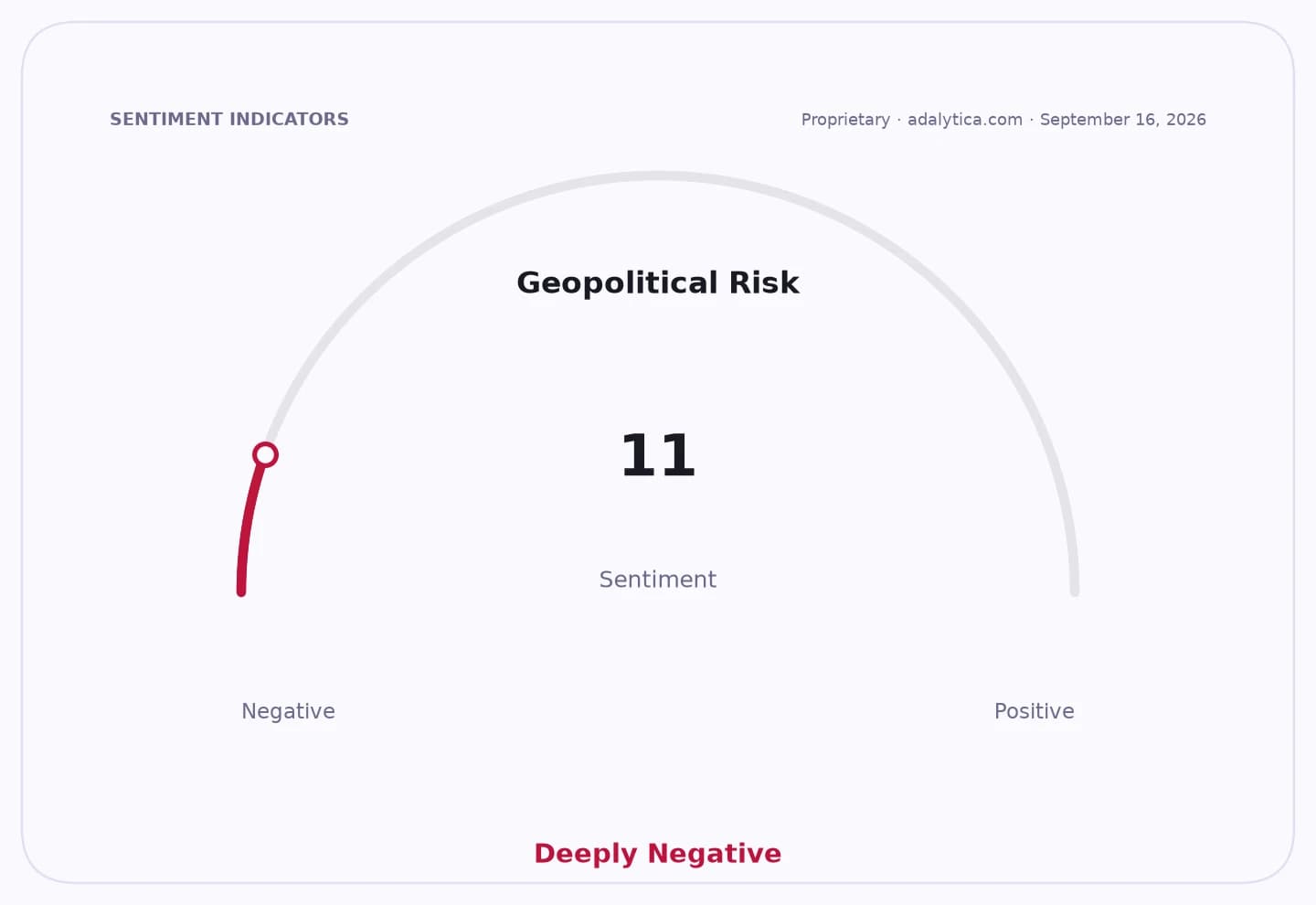
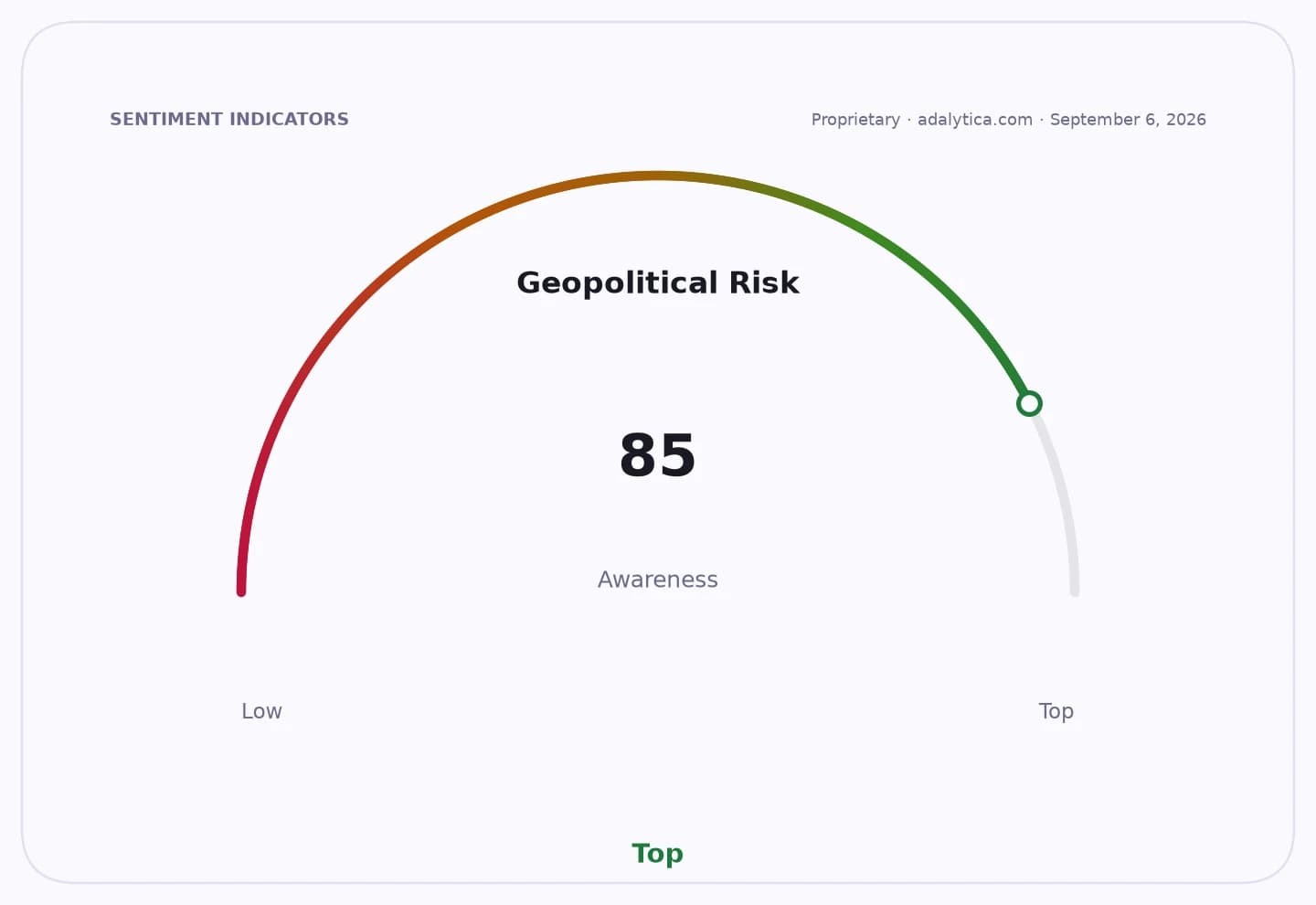
Sentiment IndicatorsⓘProprietary · adalytica.com · September 6, 2026
This is a snapshot — live sentiment, awareness and momentum for 130+ markets update continuously in the dashboard.Open AlphaPulse

Oil markets have been pricing in that fragility. WTI has climbed to about $91.75 a barrel in early September from $84.57 at the end of August, while the USO oil ETF has jumped back to around $141 and is trading close to its upper Bollinger Band, with its RSI above 70, a sign of a technically stretched but still strong rally. Energy equities have followed suit: the XLE sector ETF and the OIH oil-services fund have both pushed higher, reflecting investor bets that conflict-related supply risk can keep the market tight even without a formal outage.
The broader narrative is that the war is not just a crude-price story, but a refining-and-distribution story. Iraq’s queues at filling stations show how quickly local shortages can emerge when regional logistics are strained, and they help explain why diesel and gasoline markets can tighten even when global producers still have plenty of oil underground. For investors, the key question is whether this becomes a short-lived bottleneck or a more durable squeeze that keeps crude, refined products and energy stocks supported.
If the disruption spreads further across the Middle East, the winners are likely to be crude producers, refiners with spare capacity and energy equities. The losers are consumers, transport firms, import-dependent economies and governments that must either subsidize fuel or risk public anger.
| Entity | Gains | Losses |
|---|---|---|
| Oil producers | ▲Higher realized prices | ▼None from the immediate shock |
| Refiners / energy stocks | ▲Tighter product margins | ▼Higher operating risk |
| Iraqi motorists | ▲Short-term none | ▼Long queues, lost time |
| Consumer economies | ▲None | ▼Higher inflation, transport costs |