Iraq has expanded seed-processing capacity in Nineveh to 30 tons an hour, a move that underscores Baghdad’s push to lift domestic wheat output and reduce its dependence on imported food supplies.
Iraq expands Nineveh wheat seed capacity
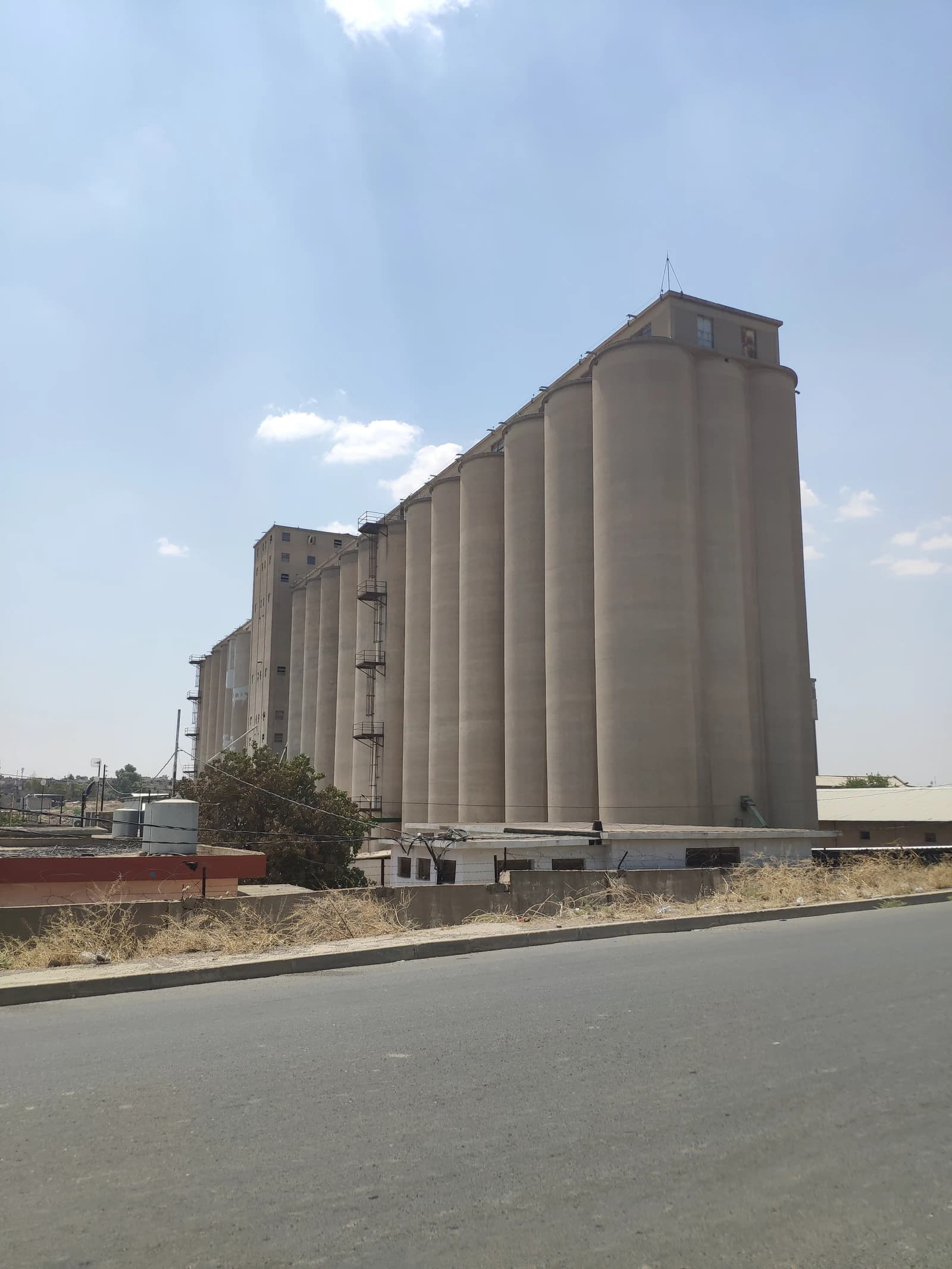
The agriculture ministry said it commissioned two new seed-cleaning and treatment lines at the Al-Ahilah site operated by the state-run Mesopotamia Seeds Co., adding 20 tons an hour to the plant’s existing throughput. The upgrade, together with 11 new storage warehouses built under a World Bank-backed contract, is meant to let the facility receive and store larger volumes of wheat for processing into seed.
Sentiment IndicatorsⓘProprietary · adalytica.com · September 3, 2026
This is a snapshot — live sentiment, awareness and momentum for 130+ markets update continuously in the dashboard.Open AlphaPulse
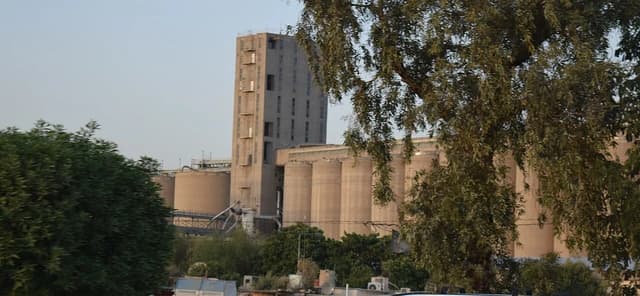
The significance is broader than one plant. Iraq remains highly exposed to wheat-market volatility, drought risk and trade disruptions that have kept global grain prices elevated at different points in recent years. By increasing capacity in Nineveh, one of the country’s key agricultural provinces, the government is trying to strengthen the first link in the wheat supply chain: seed quality and availability. Better seed processing can lift germination rates, improve yields and reduce losses, all of which matter in a country where food security is politically sensitive and agriculture still plays a strategic economic role.
For investors and suppliers, the immediate impact is not on listed equities but on the regional grain and ag-input complex. More domestic seed capacity can gradually curb Iraq’s need for imported planting material and support more stable wheat procurement over time. That matters for traders watching Middle Eastern grain demand, as well as for companies exposed to farm inputs, logistics and storage infrastructure in Iraq. It also reinforces the government’s effort to use agriculture as a buffer against oil dependence by expanding local production rather than relying entirely on food imports.
The move comes as wheat markets remain shaped by weather stress and geopolitics. Crop setbacks in drought-hit regions and recurring supply shocks linked to the Black Sea have kept investors alert to any policy that can improve supply resilience. While the Nineveh project is small relative to global wheat trade, it points to a structural policy shift: Iraq is investing in the upstream capacity needed to secure its own food chain.
The key question now is whether the new lines and storage can translate into higher-quality seed distribution across provinces ahead of the next planting cycle. If they do, the payoff could be measured in better wheat yields, lower import pressure and a modest but important improvement in Iraq’s food-security position.
| Entity | Gains | Losses |
|---|---|---|
| Iraqi agriculture ministry | ▲Greater food-security leverage | ▼Higher fiscal commitment |
| Iraqi wheat farmers | ▲Better seed access | ▼Reliance on state support |
| Seed importers | ▲Stable demand if shortages persist | ▼Market share to local production |
| World Bank-backed infrastructure push | ▲Project credibility | ▼Slow execution risk |