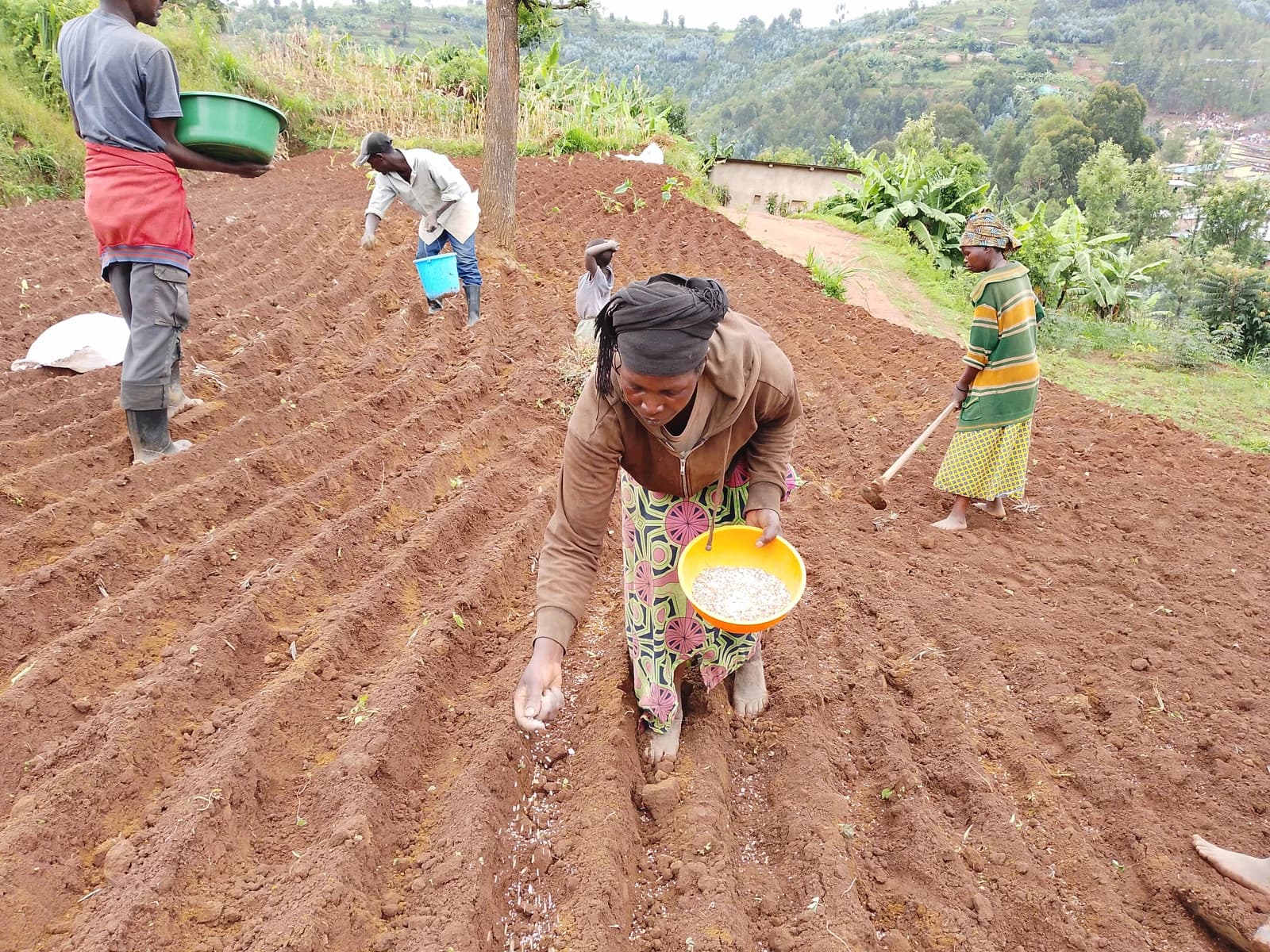
Kenya’s agriculture researchers are trialling salt-tolerant rice varieties in Hola and Bura in a bid to turn underused coastal land into productive paddy fields, a move that could improve domestic food supplies and reduce the country’s exposure to costly imports.
Kenya Tests Salt-Tolerant Rice in Hola and Bura
The initiative matters because salinity is one of the biggest constraints on farming in the Tana River basin and other low-lying coastal areas, where irrigation infrastructure exists but soil conditions have limited yields. If the varieties perform as expected, the Kenya Agricultural and Livestock Research Organisation could help unlock more output from land that has often been marginal for conventional rice, giving farmers a path to higher productivity without waiting for major new water projects.
Sentiment IndicatorsⓘProprietary · adalytica.com · September 10, 2026
This is a snapshot — live sentiment, awareness and momentum for 130+ markets update continuously in the dashboard.Open AlphaPulse
For Kenya, the stakes are broader than one crop. Rice is a staple that the country imports heavily, so even incremental gains in local production can help ease pressure on the food import bill and improve resilience when global grain markets are tight. That is especially relevant at a time when food-price volatility remains a concern and households are sensitive to any rise in basic staples.
The trial also carries commercial implications for the wider agri-food chain. More reliable domestic rice supply would be positive for millers, traders and processors that depend on raw material availability, while potentially reducing volatility in procurement costs. For consumers, the upside is lower dependence on imported rice, though that would still depend on whether the new varieties deliver consistent yields at scale and whether farmers can afford the inputs needed to cultivate them.
There is also a long-term climate angle. As soil salinity worsens in some irrigated areas and weather patterns become less predictable, varieties bred to tolerate harsh conditions are becoming a practical adaptation tool rather than an experimental one. Success in Hola and Bura would not solve Kenya’s food security challenge on its own, but it would strengthen the case for agricultural research as a lever for productivity growth in stressed regions.
Investors should watch the effort as a signal for where African agriculture may be headed: less about expanding acreage, more about using science to raise output from land already in the system. If the trials progress to wider adoption, the beneficiaries would include seed developers, irrigation-linked agribusinesses and local food processors; the losers would be import-dependent suppliers and those exposed to domestic crop substitution.
| Entity | Gains | Losses |
|---|---|---|
| KALRO | ▲Research credibility | ▼Failure risk |
| Kenyan rice farmers | ▲Higher yields | ▼Input costs |
| Food processors | ▲Better local supply | ▼Import dependence |
| Rice importers | ▲— | ▼Lower demand |