A livestreaming provocateur with 150,000 followers has become a symbol of how Israel’s election campaign is being shaped less by institutions than by outrage, spectacle and normalized harassment.
Israel election shaped by online provocateur Mordechai David
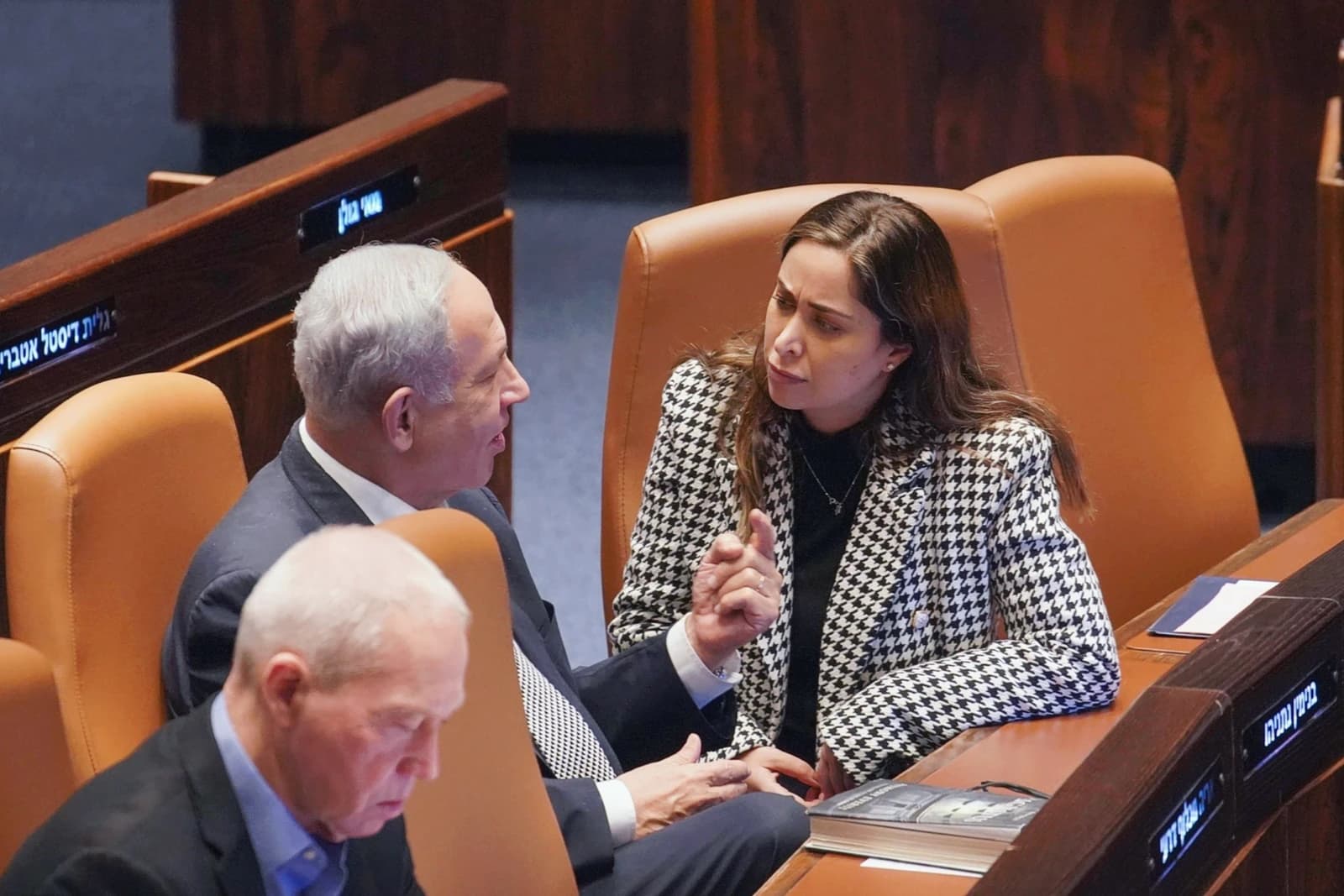
Mordechai David’s rise matters because it captures a deeper shift in Israeli politics: the migration of influence from traditional media and party machinery to online personalities who turn ideological combat into entertainment. In a country heading into an election after the trauma of Oct. 7, 2023, that shift is amplifying polarization at a moment when voters are already split over the war in Gaza, Prime Minister Benjamin Netanyahu’s conduct and the future of the courts.
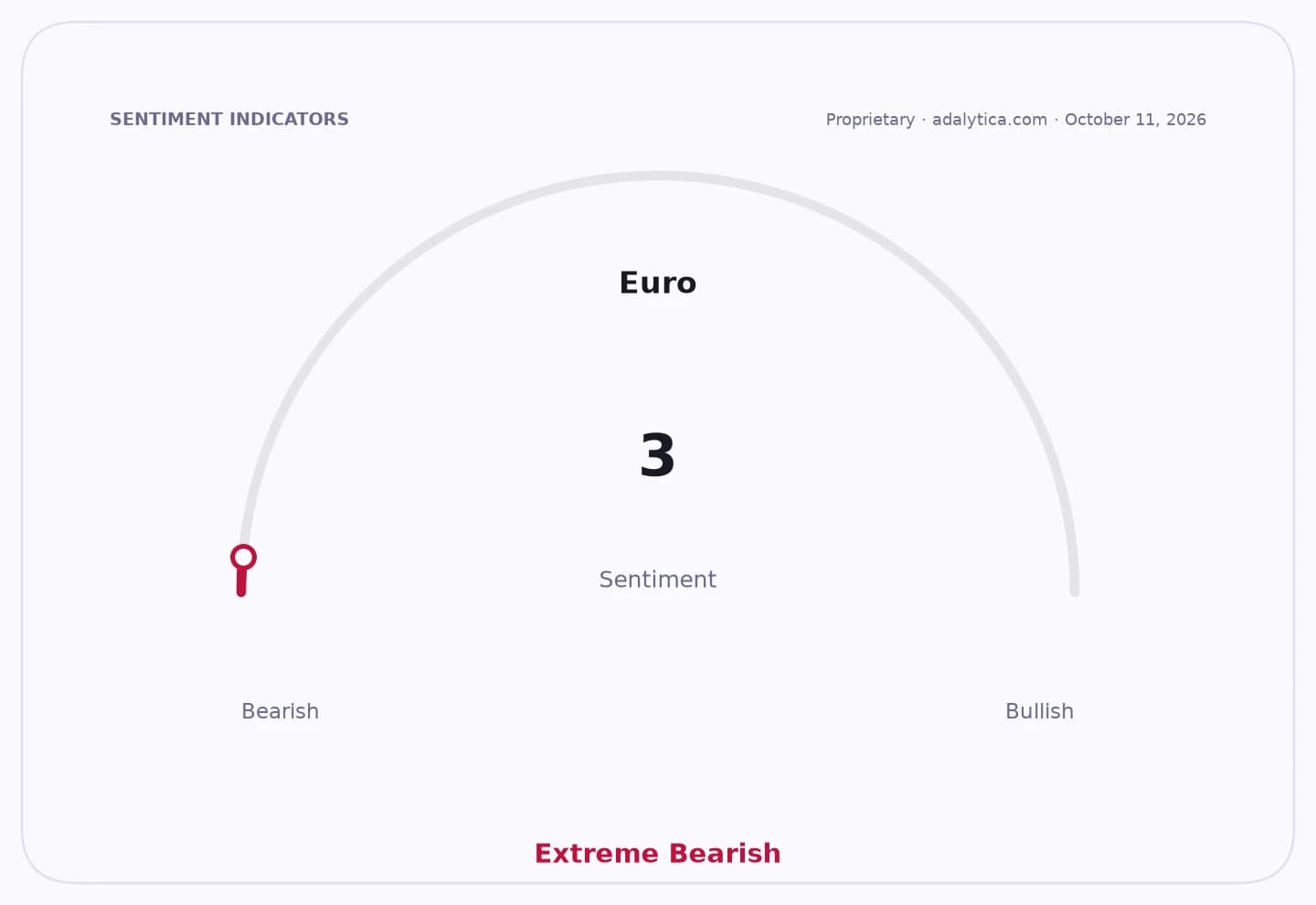
Sentiment IndicatorsⓘProprietary · adalytica.com · October 10, 2026
This is a snapshot — live sentiment, awareness and momentum for 130+ markets update continuously in the dashboard.Open AlphaPulse
David’s content is not just abrasive; it is political infrastructure. He tracks down left-wing critics, films them without consent, posts the footage to his large audience and frames opponents as traitors or enemies of the state. His targets have included Lucy Aharish, Israel’s first Muslim Hebrew-language TV anchor, and Aharon Barak, the former Supreme Court president and a leading critic of the government’s judicial overhaul. He has also aligned himself with Itamar Ben Gvir, the far-right national security minister, who has recruited him for campaign work.
That gives the episode economic and market relevance beyond its obvious political edge. Israel’s institutions have already been weakened by years of fractious coalition politics, five elections between 2019 and 2022 and the aftershocks of the Gaza war. A more volatile campaign environment raises the odds of policy lurches, legal conflict and social instability, all of which matter for domestic business confidence, fiscal planning and the premium investors demand on Israeli assets. The more political debate is conducted through mob tactics and viral clips, the harder it becomes to price policy continuity.
The broader pattern is a familiar one globally, but especially acute in Israel. Younger voters are moving away from traditional media toward influencers who reward provocation over verification. Achiya Schatz of Fake Reporter said David channels a segment of the right wing that feels ignored and sidelined, turning that grievance into both political expression and “entertainment.” That blend helps explain why David has become a fixture on Channel 14, the pro-government network, even as he is accused of harassment.
The danger for investors is not David himself but what he represents: a political culture in which escalation becomes a campaign asset. That can complicate coalition building, deepen rifts over the judiciary and the war, and increase the chance that security policy and domestic politics become even more tightly fused. For markets, that means more headline risk, less clarity on governance and a higher probability that the election reinforces division rather than resolving it.
| Entity | Gains | Losses |
|---|---|---|
| Far-right influencers | ▲Attention and reach | ▼Institutional scrutiny |
| Netanyahu allies | ▲Mobilized base | ▼Political moderation |
| Israeli opposition and liberals | ▲Broader issue visibility | ▼Safer campaign climate |
| Investors in Israel | ▲Potential policy clarity if election settles | ▼Stability and risk premia |