Istria is studying whether it can grow more of its own durum wheat for pasta, a move that could cut imports, lift farm income and give the Croatian peninsula a higher-value food chain tied to its tourism economy.
Istria Studies Local Durum Wheat for Pasta
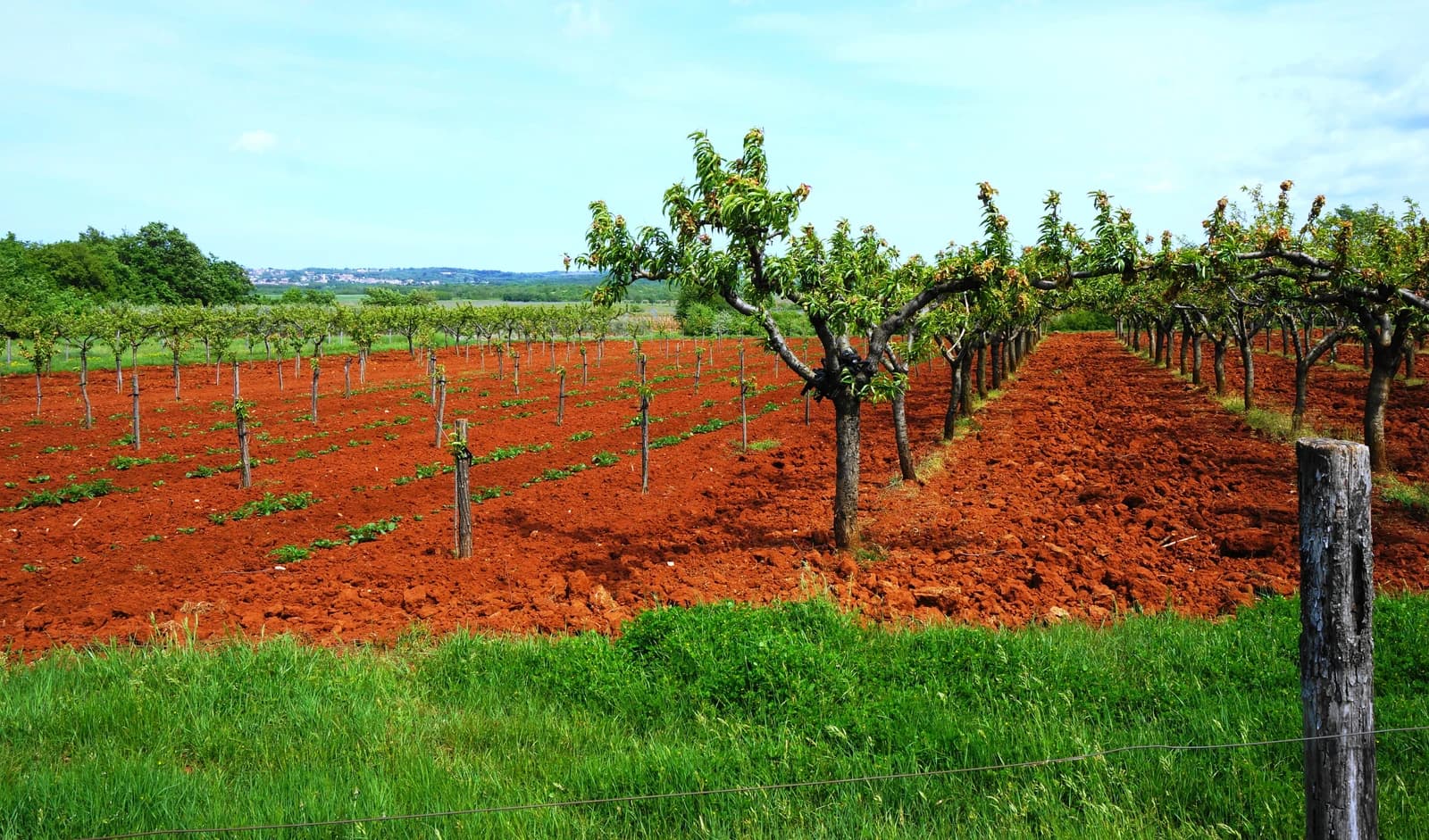
Agricultural researchers at the Institute of Agriculture and Tourism in Poreč say parts of western and southern Istria could support durum wheat, the hard, protein-rich grain milled into semolina for pasta. If the crop takes hold, it would add a new layer to a region better known for olive oil, wine and vegetables.
The institute estimates potential yields of about 3.5 to 4.5 tonnes per hectare under favorable conditions, with indicative costs of roughly €1,415 per hectare if farmers already own machinery and do most of the work themselves. Those economics matter because wheat cultivation only becomes attractive if the grain can meet the protein and milling standards required by pasta makers.
Durum wheat is typically planted in late October and November and harvested in June or early July, making it a weather-sensitive crop that depends on rainfall through the cooler months and enough moisture in spring. Researchers say the crop is not fully drought-resistant, meaning a dry spring could quickly squeeze yields and profitability.
The bigger payoff would come from linking local wheat with Istria’s food industry. The region’s pasta staples such as fuži, pljukanci and makaruni already have strong brand recognition, and locally grown durum wheat could shorten the supply chain from farmers to mills, restaurants and hotels.
That would matter for investors and food producers because a local grain base can reduce exposure to imported wheat swings and commodity volatility, while creating a premium product story for the hospitality sector. But expansion would still require milling capacity, reliable buyers and enough acreage to make commercial-scale production viable.
For now, the project is more of a regional agricultural opportunity than an immediate market shift. The next test will be whether growers, processors and buyers are willing to back the crop long enough to turn Istria’s pasta heritage into a local wheat business.
| Entity | Gains | Losses |
|---|---|---|
| Istrian farmers | ▲New higher-value crop | ▼Upfront crop risk |
| Local mills and pasta makers | ▲Shorter supply chain | ▼Need new capacity |
| Restaurants and hotels | ▲Local sourcing story | ▼Potential input constraints |
| Wheat importers | ▲— | ▼Less regional demand |