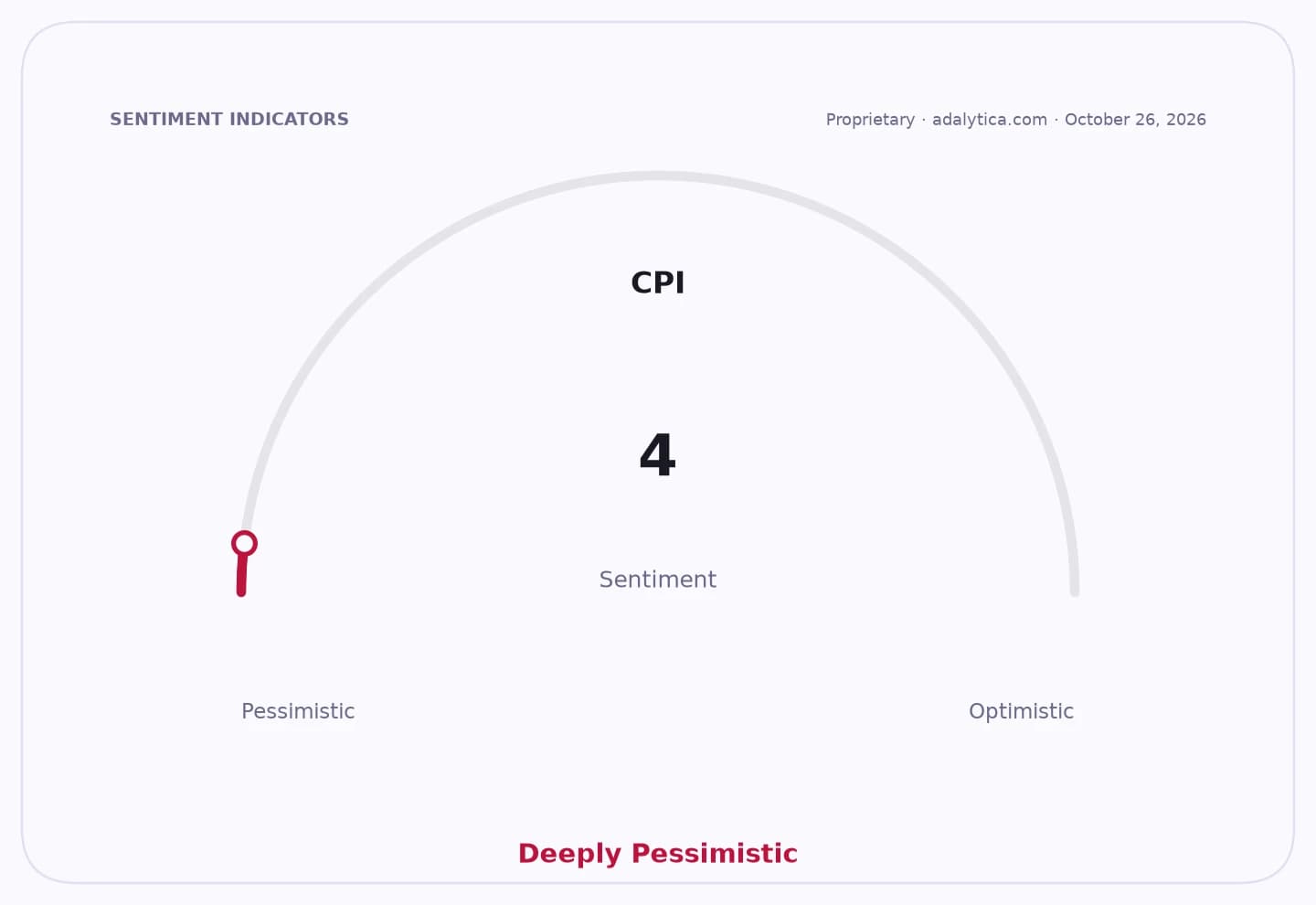
Italian Wine Brands is facing a softer demand backdrop that is forcing TP ICAP Midcap to trim its sales estimates and cut its target price, even as the broker still sees the stock as a Buy on margin resilience and deleveraging.
Italian Wine Brands Target Cut to 30 Euros
TP ICAP Midcap lowered its target on IWB to 30 euros from 33.6 euros, while keeping its Buy rating after the wine group posted first-half 2026 results in line with expectations. The broker also reduced its 2026-27 sales forecasts by 5% to 6% to reflect weaker demand and pressure on exports to the US and UK.
The revision comes after IWB reported first-half sales of 175.3 million euros, down 5.3%, and adjusted EBITDA of 19.1 million euros, with the margin at 10.8% versus 11.7% a year earlier. TP ICAP said the decline was limited given falling volumes and negative pricing, and noted that IWB continued to outperform the sector, where Italian export volumes were down 6.2%.
That relative strength is still the core of the investment case. The broker pointed to 8.6% volume growth in IWB’s “Top Brand” products and a direct margin of 50.3%, while saying the company’s financial discipline and deleveraging process remain key supports for the stock.
Even so, the softer revenue outlook matters for investors because it limits near-term valuation upside and shows that IWB is not immune to the broader contraction in wine demand. TP ICAP still expects net profit to rise about 12% in 2026, helped by second-half seasonality, but said the last two months of the year will be decisive.
For shareholders, the message is that IWB remains better positioned than much of the sector, but the path to upside now depends on whether export demand stabilizes in the US and UK. The next catalyst is the company’s second-half trading trend, where any further weakness in volumes or pricing could prompt another round of estimate cuts.
| Entity | Gains | Losses |
|---|---|---|
| Italian Wine Brands | ▲Relative margin resilience | ▼Sales growth and valuation upside |
| TP ICAP Midcap | ▲More conservative forecasts | ▼Confidence in near-term revenue recovery |
| Long-term investors | ▲Deleveraging progress | ▼Near-term earnings multiple expansion |
| Weak-demand markets | ▲Lower pricing pressure | ▼Export volumes and wine producers |