Italy’s blue economy is no longer a niche theme for coastal regions — it is a hard economic asset, and SACE is moving to make it even more useful for exporters. The sector generates about 10 billion euros in added value and supports 115,000 jobs, while its supply chain multiplies that output across the wider economy, according to figures cited by SACE at an export event in Salerno.
Italy blue economy gets SACE export support
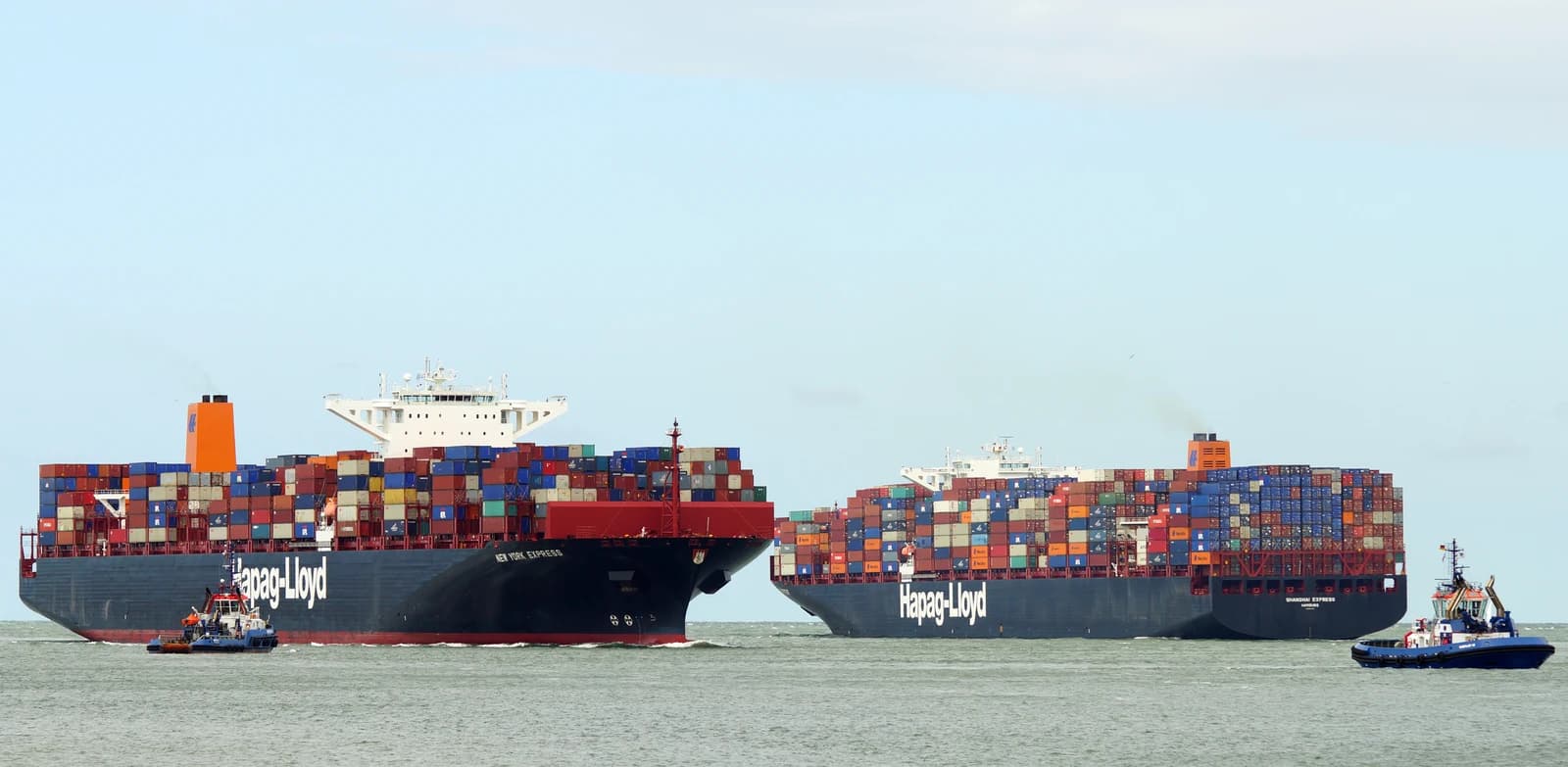
That matters because the maritime economy sits right at the intersection of growth, trade and industrial policy. Roughly a quarter of Italy’s export value and nearly half of its export volume move by sea, making shipping, shipbuilding and nautical services central to the country’s ability to compete abroad. In other words, if Italy wants to keep selling more to the world, it has to keep its marine supply chain healthy.
SACE’s message is that finance and insurance can do more than cushion risk — they can help scale it. Daniele Schroder, general manager of SACE BT, said the group is working to strengthen production chains and support international growth through guarantees, surety bonds and insurance tools. For yacht builders, shipyards and their suppliers, that kind of backing can be the difference between landing a contract and walking away from it.
The stakes are especially clear in the south, where access to capital and export infrastructure can be thinner than in northern industrial hubs. SACE said it supported about 3,000 companies in Campania in 2025, mobilizing 2 billion euros. That is not just about one region: it is a template for how Italy tries to keep smaller firms inside global supply chains instead of letting them get squeezed out by larger rivals with easier financing.
For investors, the story is less about a single event and more about a durable policy and business trend. SACE’s strategic plan calls for 150 billion euros in new commitments over 2026-2028, signaling that support for exporters — especially in sectors tied to the sea — will remain a priority. That should be constructive for insurers, lenders, shipbuilders and industrial suppliers that can turn government-backed risk mitigation into more orders and steadier cash flow.
The bigger lesson is that blue economy investment is not simply about maritime pride; it is about competitiveness. If Italy can keep financing exports, protecting receivables and helping smaller suppliers execute contracts, the blue economy could remain one of the country’s most resilient long-term growth channels. For investors with a multi-year horizon, that makes the maritime supply chain worth watching closely.
| Entity | Gains | Losses |
|---|---|---|
| Italian exporters | ▲Easier market access | ▼Higher trade friction |
| Shipbuilders and nautical suppliers | ▲Better credit protection | ▼Funding constraints |
| SACE / SACE BT | ▲More business volume | ▼Lower demand for guarantees |
| Foreign competitors | ▲— | ▼Italian firms with stronger support |