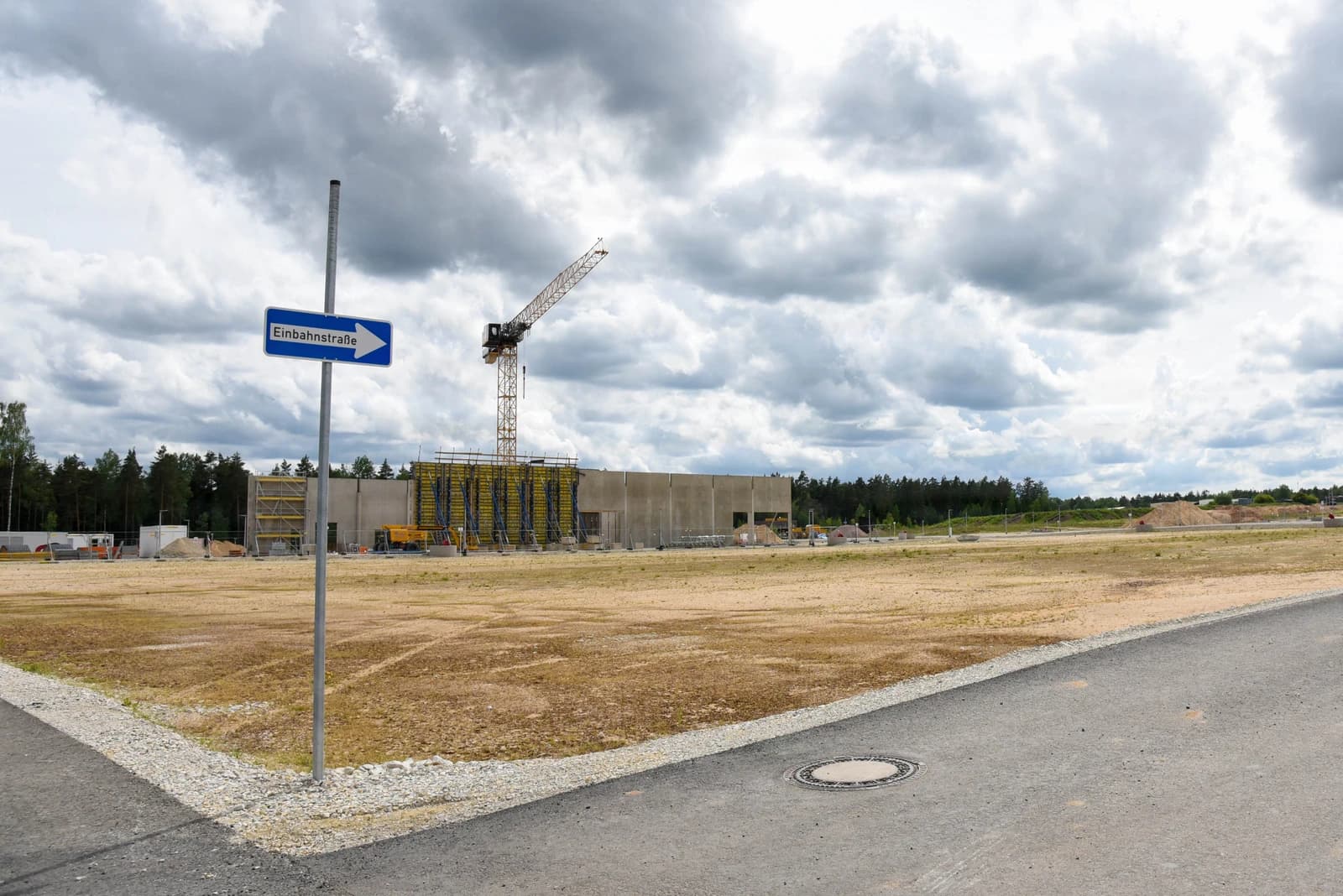
Italy’s construction downturn worsened in August, underscoring how weak building activity is continuing to drag on growth in one of the euro area’s more fragile economies.
Italy construction PMI weakens in August
The latest PMI reading points to a sector that is not merely slowing but contracting more sharply, a sign that higher financing costs, cautious demand and stretched public and private investment pipelines are still weighing on Italian builders. For an economy that has leaned heavily on construction-linked support in recent years, the deterioration matters because it feeds directly into employment, materials demand and broader domestic activity.
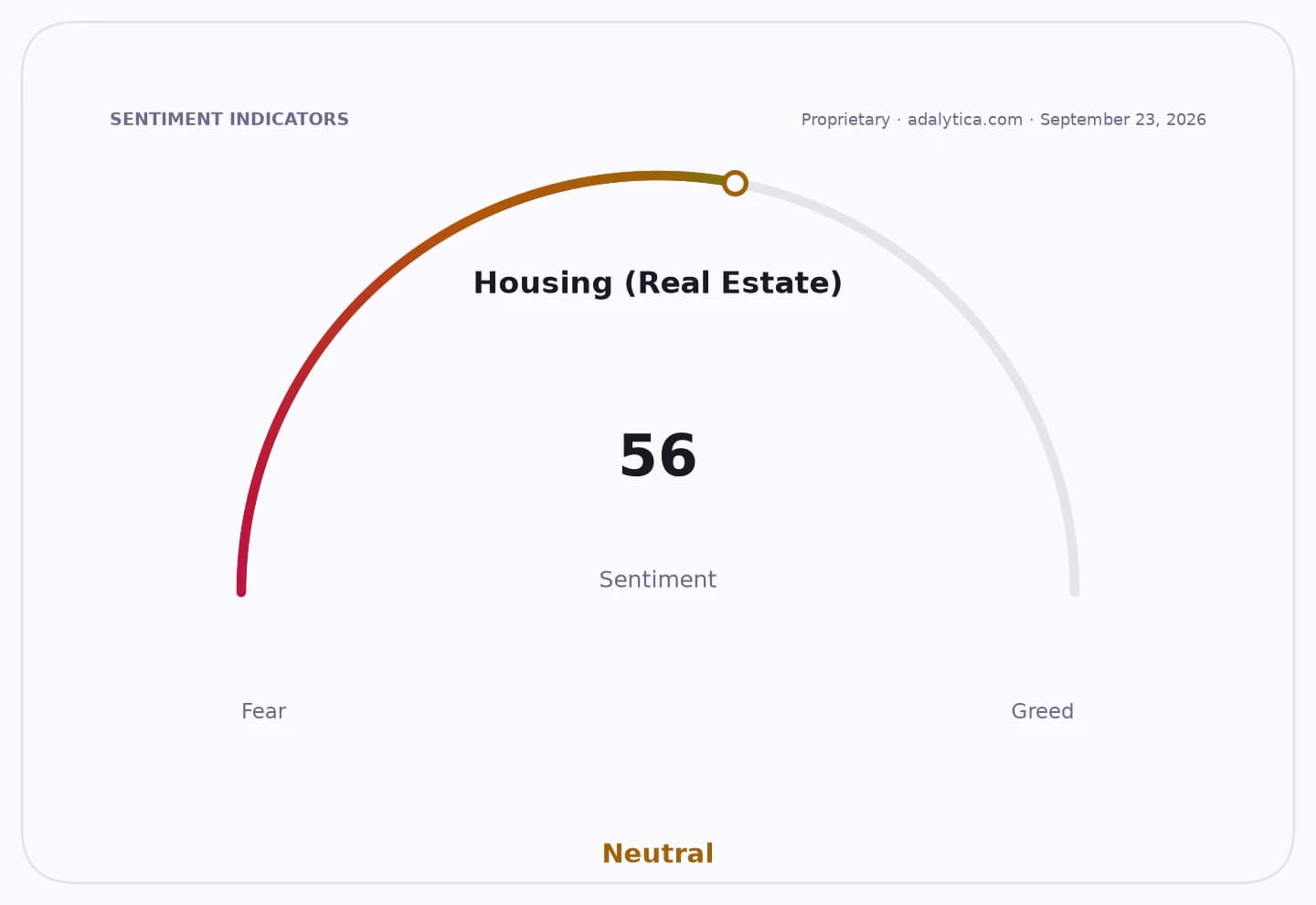
Sentiment IndicatorsⓘProprietary · adalytica.com · September 4, 2026
This is a snapshot — live sentiment, awareness and momentum for 130+ markets update continuously in the dashboard.Open AlphaPulse
Construction is a smaller part of Italy’s economy than manufacturing or services, but it has outsized spillovers. When order books weaken, the impact tends to show up quickly in subcontractors, building suppliers and regional labor markets. That can soften household income growth and restrain consumption, especially in a country where the recovery has already been uneven.
The Italian reading also stands out against a mixed European backdrop. While euro zone private-sector activity has held up better overall, Italy’s construction sector remains a clear laggard, suggesting the recovery is not broad-based. That raises questions for policymakers about how much support the economy can draw from domestic demand if investment remains subdued.
PMI Trends vs EWIadalytica.com
Explore this data interactively — full history, time series and cross-market comparisons.Open AlphaPulse
For investors, the message is less about a single PMI number than about persistence. A deeper construction slump points to weaker revenue prospects for listed builders, materials groups and industrial firms exposed to Italy’s domestic cycle. It also reinforces the view that Italy remains vulnerable to any renewed tightening in credit conditions or delays in infrastructure spending.
The key risk is that construction weakness bleeds into other parts of the economy just as growth across Europe remains patchy. Unless financing conditions ease or project execution improves, Italy’s building sector may continue to act as a brake on expansion into the autumn.
| Entity | Gains | Losses |
|---|---|---|
| Italian consumers | ▲lower some building costs | ▼weaker job growth |
| Construction suppliers | ▲limited benefit from delayed projects | ▼softer demand |
| Italian policymakers | ▲incentive to support investment | ▼pressure over growth slowdown |
| Equity investors in builders | ▲potential value rebound if stimulus follows | ▼near-term earnings risk |