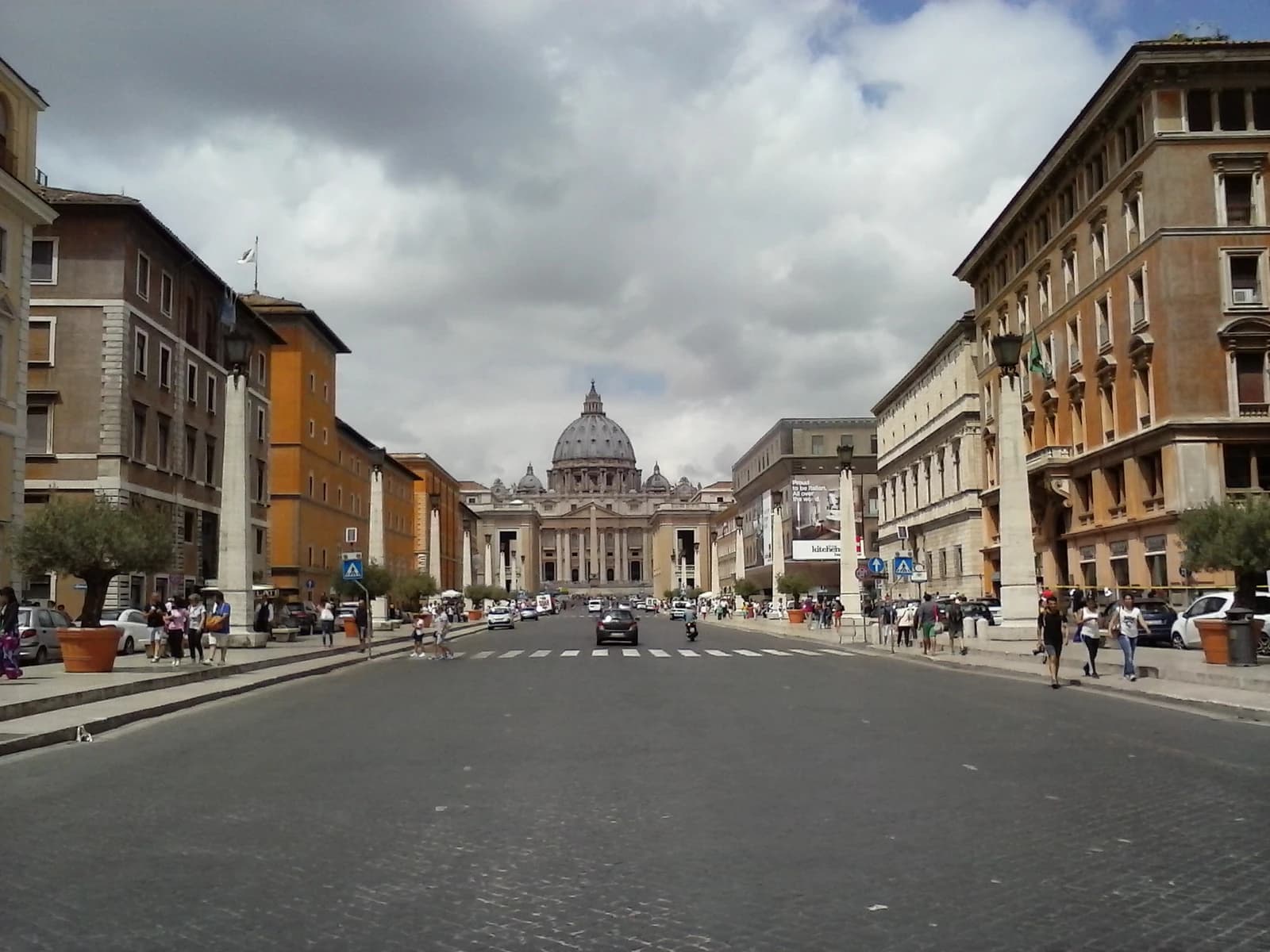
Italy’s summer peak is shaping up as a powerful demand engine, with 17.5 million tourists expected around Ferragosto and roughly €9 billion in spending, a reminder that European travel remains one of the most resilient consumer categories even as broader retail sentiment turns fragile.
Italy Ferragosto tourism reaches 17.5 million visitors, €9 billion
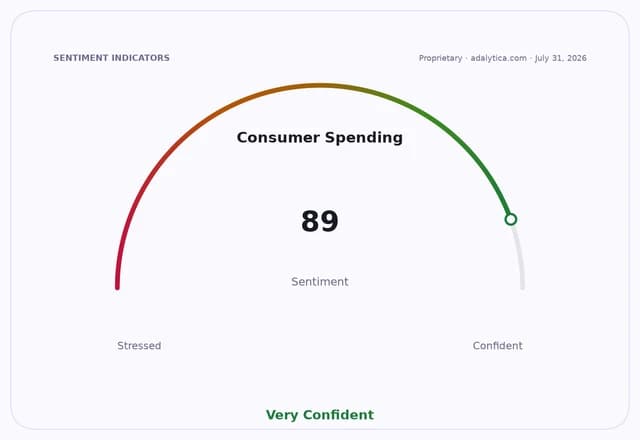
That matters because tourism is not just a seasonal headline for Italy; it is a transmission belt for the wider economy. When visitors fill hotels, restaurants, trains, ferries and city centers, the cash flow runs through small businesses, regional labor markets and tax receipts. At a time when the Adalytica Consumer Spending Sentiment gauge is flashing Extreme Greed while Retail Goods Spending Sentiment sits at Extreme Fear, the message is clear: consumers are still opening their wallets for experiences, not merchandise.
Sentiment IndicatorsⓘProprietary · adalytica.com · July 31, 2026
This is a snapshot — live sentiment, awareness and momentum for 130+ markets update continuously in the dashboard.Open AlphaPulse
For investors, that gap is where opportunity lives. Experience-led spending tends to hold up better than discretionary goods when households become choosier, and travel platforms with pricing power and global scale can capture a disproportionate share of that shift. Expedia, Booking Holdings and Airbnb all stand to benefit if Europe’s summer travel cycle stays strong, with each exposed in different ways to lodging, cross-border bookings and short-term stays. The market is already rewarding the strongest operators: Expedia’s shares have rebounded to about $294.74, well above their 50-day moving average, while Booking is trading near $192.90 after recovering from a sharp spring drawdown and Airbnb sits around $151.52, close to its recent highs.
The underlying narrative is bigger than one holiday weekend. Italy is trying to turn tourism into a more durable growth pillar by leasing presidential residences to private investors, pushing major attraction programs and tightening management of overcrowding through reservations and usage rules. That is a signal that the country wants volume without destroying the asset base that draws visitors in the first place. For capital, that creates a long runway in travel infrastructure, premium hospitality, rail, ticketing, and the digital platforms that sit between demand and supply.
The market underestimates how sticky this theme can be. If summer demand remains this strong, the next catalyst is not just another set of visitor counts; it is margin expansion for the best-positioned travel names and a renewed bid for European leisure assets that can monetize high-traffic destinations. I believe investors should treat Italy’s Ferragosto surge as a warning shot: the travel economy is still compounding, and the best way to play it is through the platforms and operators with scale, data and pricing power.
| Entity | Gains | Losses |
|---|---|---|
| Expedia (EXPE) | ▲Higher booking volumes | ▼Skeptical shorts |
| Booking Holdings (BKNG) | ▲Europe leisure demand | ▼Weak regional OTAs |
| Airbnb (ABNB) | ▲Urban and coastal stays | ▼Empty-host inventory |
| Italy tourism economy | ▲Visitor spending surge | ▼Crowding and overuse |