The gap between Italian and German borrowing costs narrowed to 112 basis points on Wednesday as European bond yields eased after the US election, with investors betting a Democratic Congress could slow President Donald Trump’s fiscal agenda and ease pressure on Treasuries.
Italy-Germany bond spread narrows to 112 bps

Italy’s 10-year BTP yield fell 3 basis points to 4.43%, while the spread over the German Bund slipped 1 basis point from the open to 113 points and was last quoted at 112. The move came as yields fell across the European curve, a sign that the post-election repricing in US rates is spilling into euro-area debt markets.
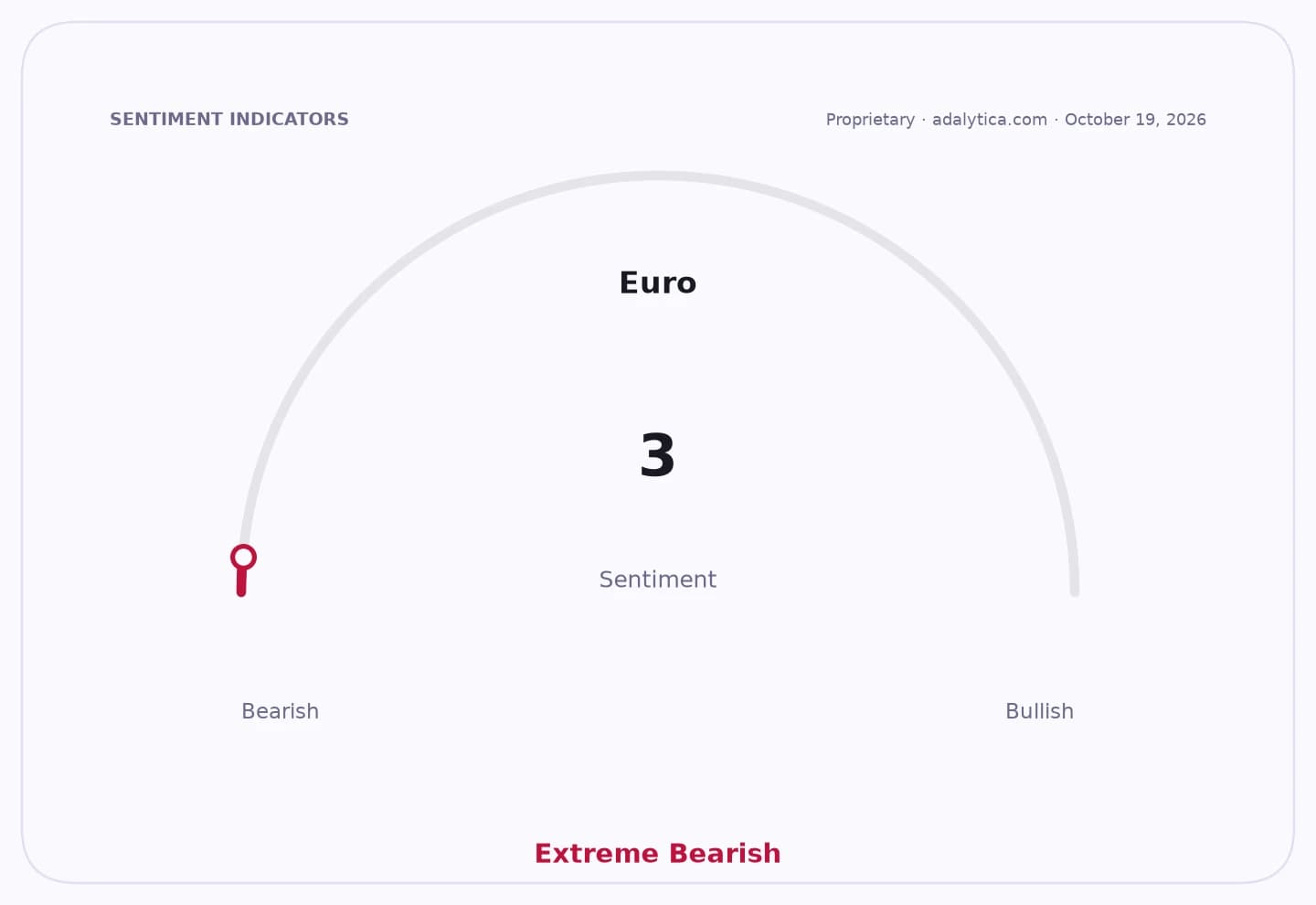
Sentiment Indicators
The biggest immediate driver is Washington. Markets are interpreting the election result as a possible brake on Trump’s policy agenda, which could temper expectations for higher US deficits and, in turn, reduce upward pressure on global long-term yields. US 10-year Treasury yields fell 3.5 basis points to 4.92%, reinforcing the shift in rate expectations.
For Italy, a narrower BTP-Bund spread eases financing conditions and signals steadier investor demand for peripheral euro-zone debt. That matters for Rome’s debt dynamics because lower yields reduce the government’s refinancing bill and can support banks and other domestic borrowers that are sensitive to sovereign borrowing costs.
The move also reflects a broader relief trade in global fixed income. As Treasury yields retreat, European sovereign debt is catching a bid, with investors trimming rate-risk exposure after weeks of concern that US policy could keep borrowing costs elevated for longer.
The next test is whether the rally in bonds can hold if markets refocus on US fiscal policy, inflation data and central bank guidance. A sustained move below the 110-point area in the BTP-Bund spread would strengthen the case that Italy’s risk premium is continuing to improve.
| Entity | Gains | Losses |
|---|---|---|
| Italian government | ▲Lower borrowing costs | ▼Less urgency to reassure markets |
| Italian banks | ▲Softer sovereign funding pressure | ▼Reduced carry if yields keep falling |
| Bond investors | ▲Capital gains on BTPs and Bunds | ▼New buyers face lower yields |
| US Treasury bears | ▲Faster rate relief | ▼Higher-yield thesis weakened |