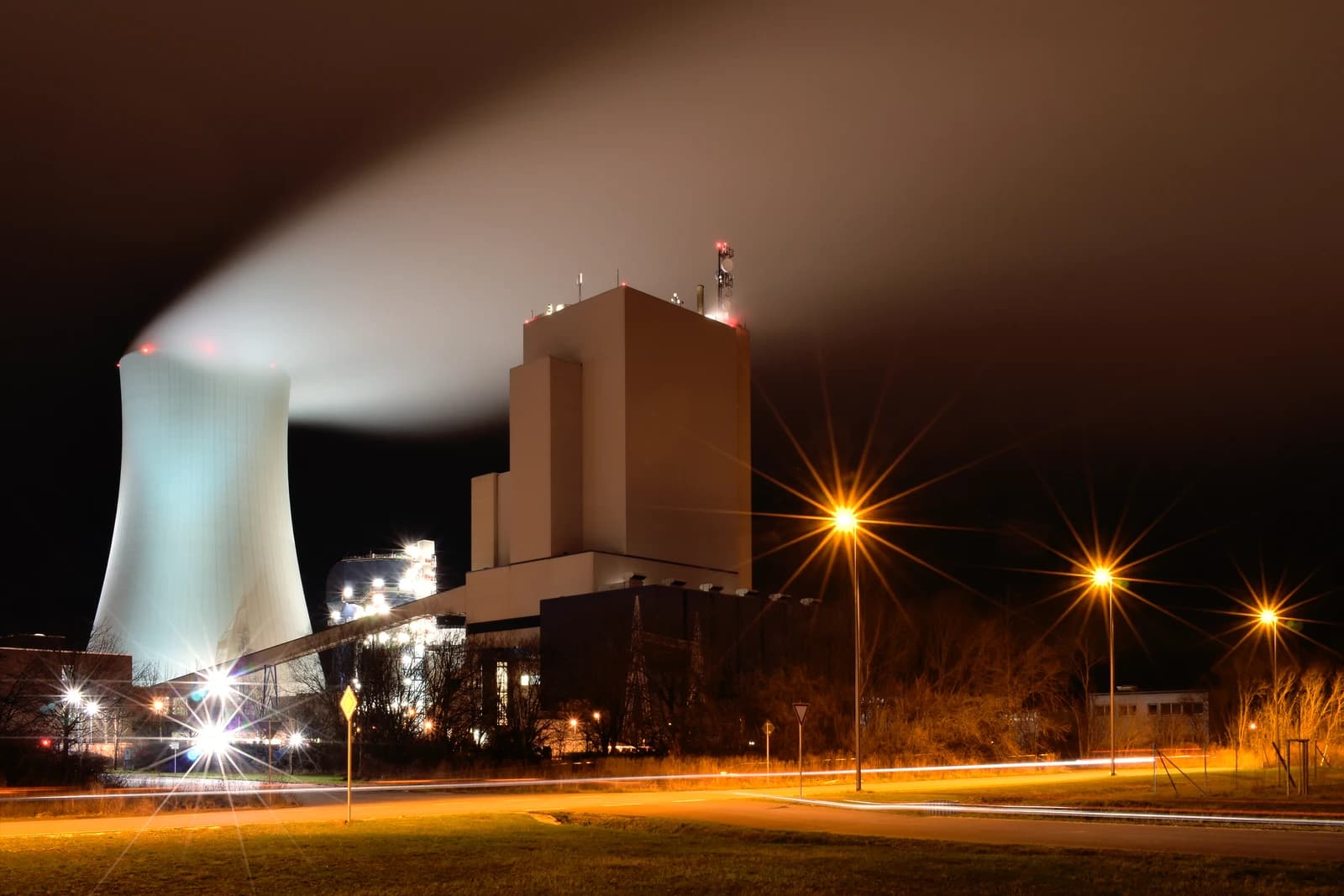
JA21 is pushing ahead with a bill to stop the permanent sealing of wells in Groningen, reviving a politically explosive debate over whether Europe’s largest gas field should remain available as a strategic reserve.
JA21 bill on Groningen wells and gas reserve
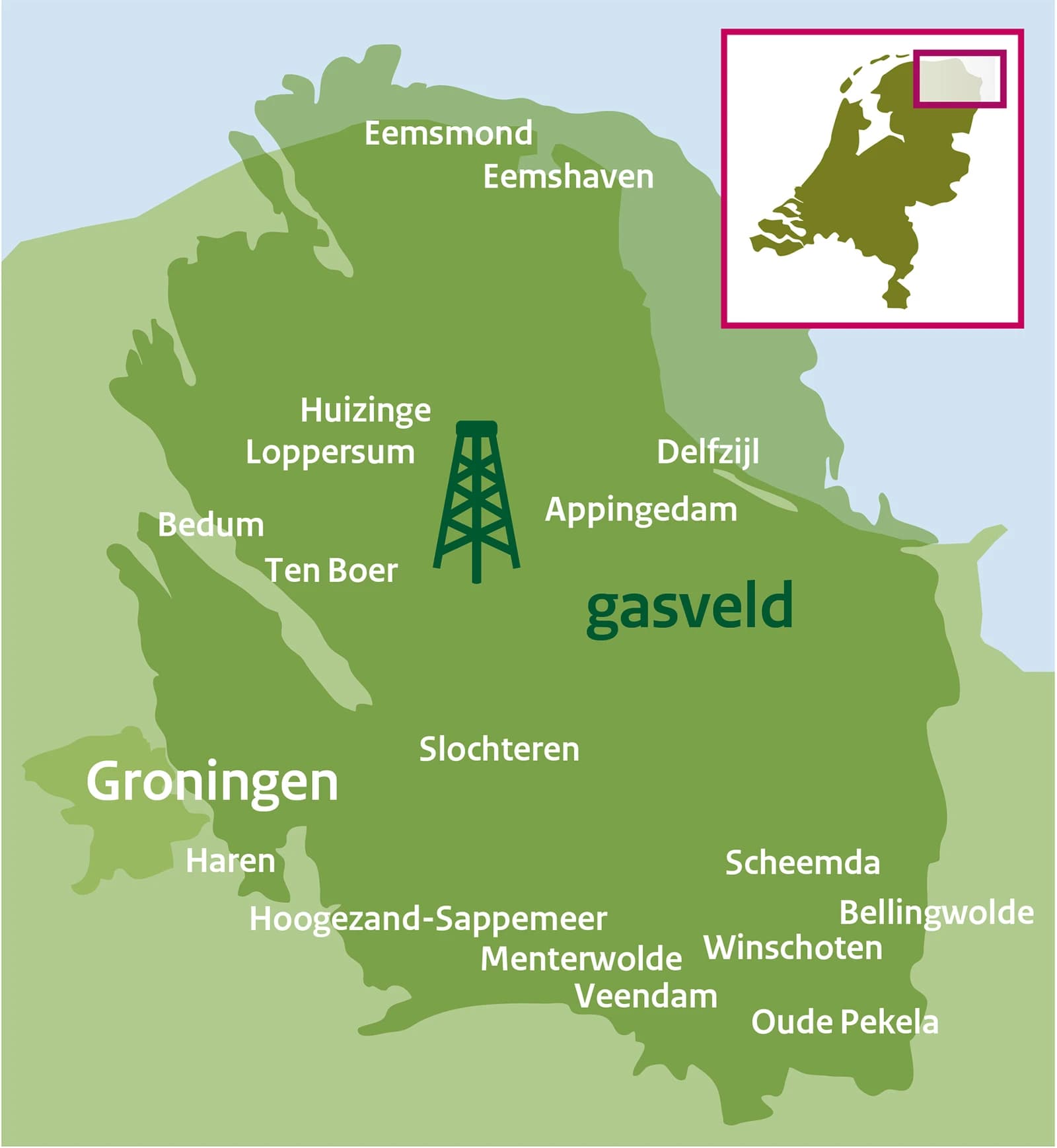
The proposal matters because it goes beyond a symbolic fight over a Dutch province scarred by earthquakes. It touches Europe’s broader energy-security calculation at a time when governments are looking harder at gas storage, emergency supply buffers and the fragility of fuel routes exposed by geopolitical shocks. If adopted, the bill would preserve the option — however remote — of using Groningen’s wells again in a crisis, rather than making that choice irreversible by filling them with concrete.
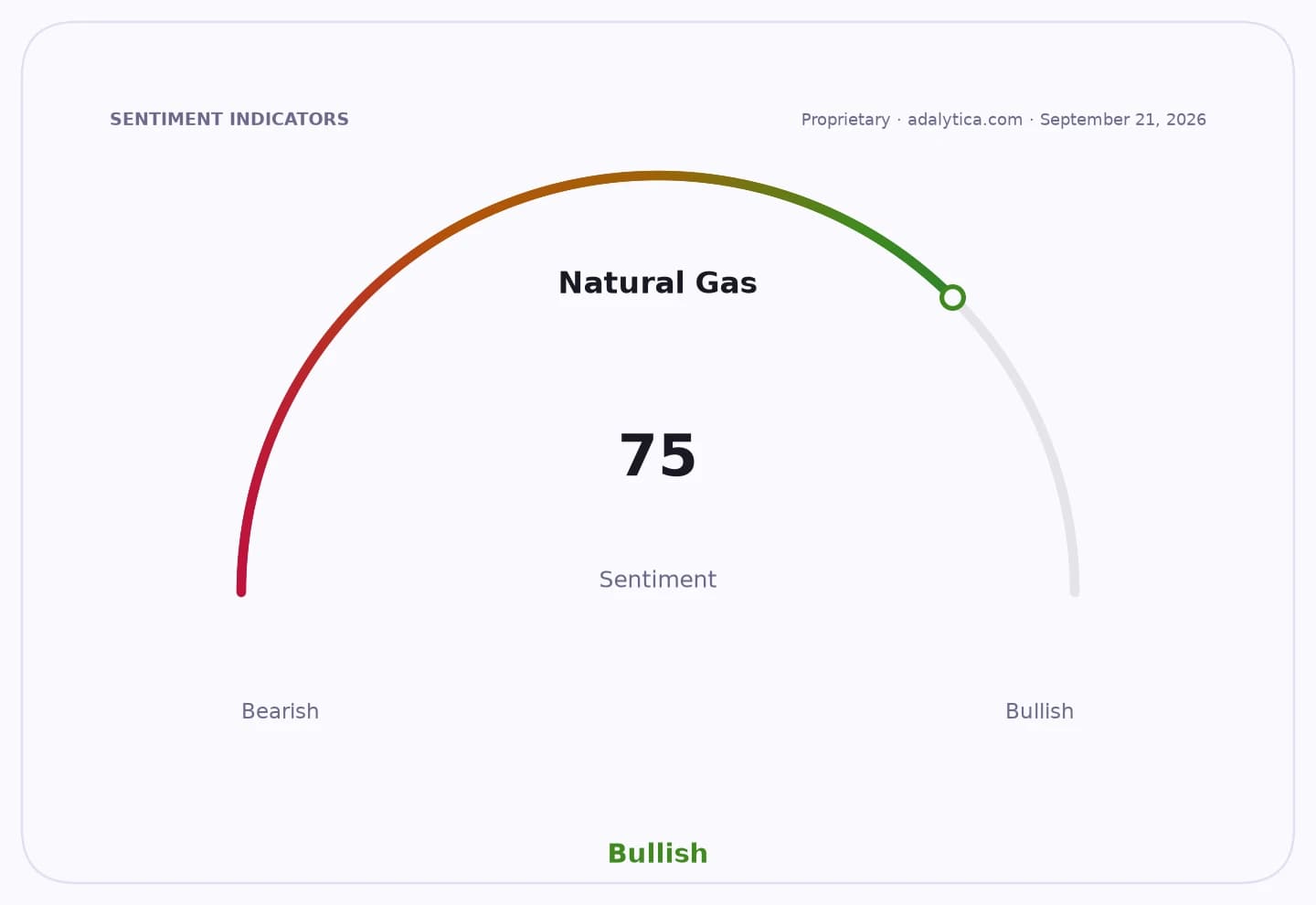
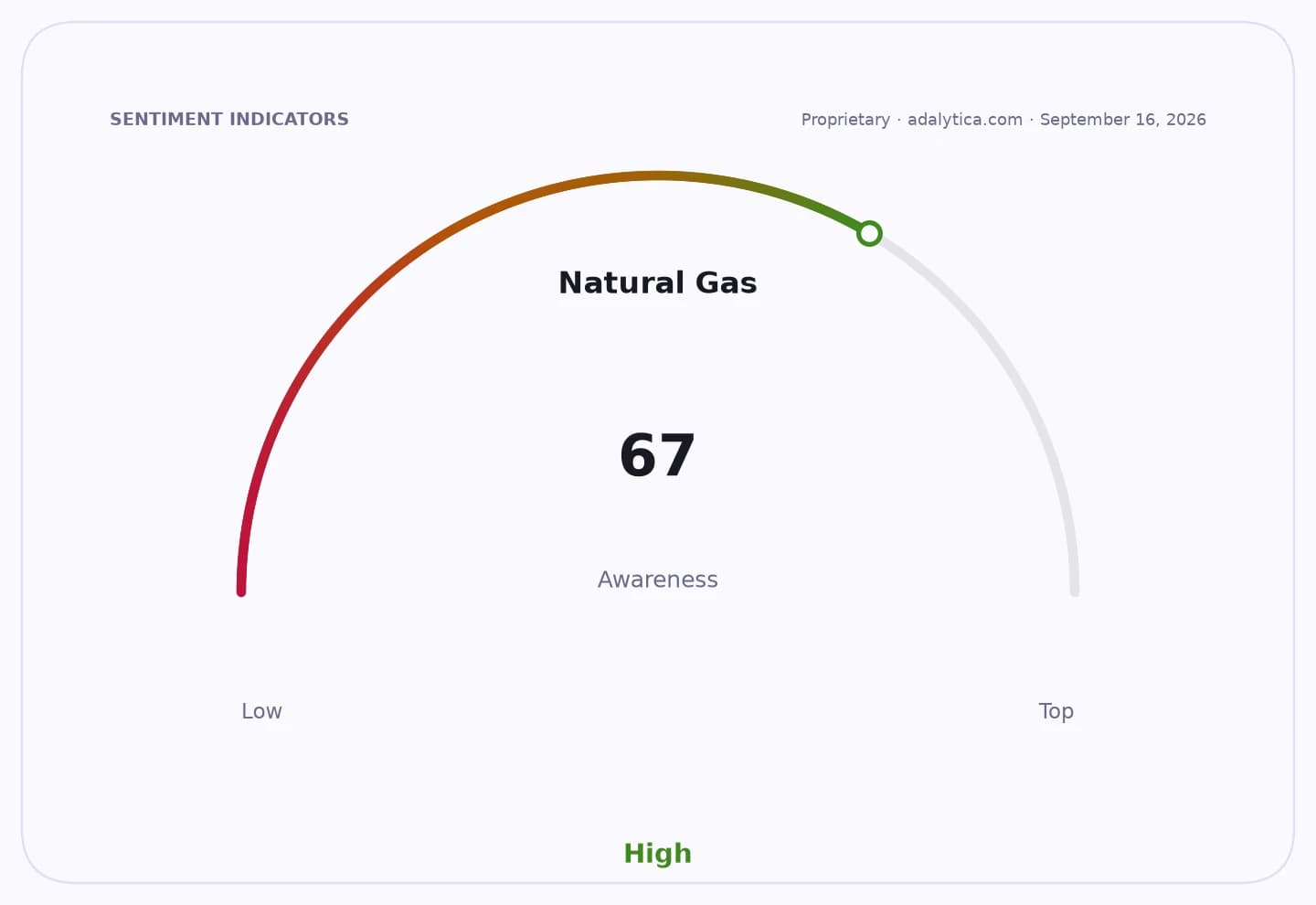
Sentiment IndicatorsⓘProprietary · adalytica.com · September 18, 2026
This is a snapshot — live sentiment, awareness and momentum for 130+ markets update continuously in the dashboard.Open AlphaPulse
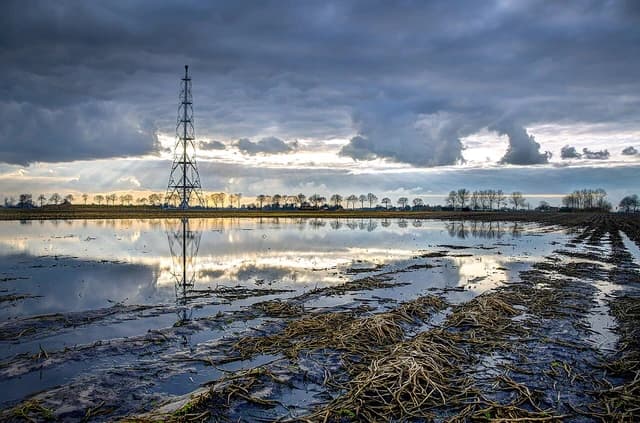
Party leader Joost Eerdmans framed the measure as a narrow precaution rather than an attempt to reopen production, saying the aim is only to prevent future generations from being barred from the field “whatever the circumstances.” JA21 lawmaker Daniël van den Berg is sponsoring the bill. Eerdmans called permanently plugging the wells an “enormous blunder,” underscoring how the party is positioning the issue as one of strategic preparedness rather than day-to-day gas policy.
The economic stakes are limited in the near term because the bill appears unlikely to win a majority in the Dutch parliament. A large majority backed legislation two years ago to end production from Groningen permanently, reflecting the political weight of the earthquake damage and the demands of residents in the affected area. For investors, that makes the immediate market impact modest, but the message is still relevant: Europe’s energy transition is colliding with a renewed emphasis on resilience, and politically sensitive gas assets have not disappeared from the strategic debate.

That broader backdrop has been reinforced by calls in Europe for more coordinated gas storage and security planning as war and sanctions continue to complicate supply assumptions. In that setting, Groningen has a value not as a likely source of commercial output, but as an insurance policy that some lawmakers believe should not be destroyed. The bull case for keeping the wells open is optionality in a volatile energy system. The bear case is that preserving that option keeps alive false hopes of renewed extraction and undermines the policy certainty that local communities have already paid for.
For gas markets, the immediate price effect is negligible. The Dutch TTF benchmark remains driven far more by weather, storage levels and global flows than by a single parliamentary proposal. But the political symbolism matters for long-term supply strategy: Europe is still deciding how much of its old gas infrastructure should be dismantled in the name of climate goals, and how much should be retained as emergency capacity.
What to watch next is whether the bill gains any traction beyond JA21’s parliamentary push. If it does not, Groningen’s closure path remains intact. If it does, it would reopen a fraught debate over the balance between energy security, market flexibility and the social costs already incurred in the Netherlands’ most politically sensitive gas basin.
| Entity | Gains | Losses |
|---|---|---|
| JA21 | ▲Energy-security profile | ▼Policy credibility if bill fails |
| Dutch government | ▲Retains closure stance | ▼Faces renewed pressure |
| Groningen residents | ▲Permanent shutdown protected | ▼Risk of revived extraction debate |
| Europe gas consumers | ▲Optional strategic reserve | ▼Less certainty on gas policy |