Jammu and Kashmir is still financing most of its public spending from outside its own tax base, a budget structure that leaves the Union Territory heavily reliant on central transfers and borrowing even as the economy is projected to grow 9.5% in 2026-27.
Jammu and Kashmir Budget Still Relies on Central Transfers
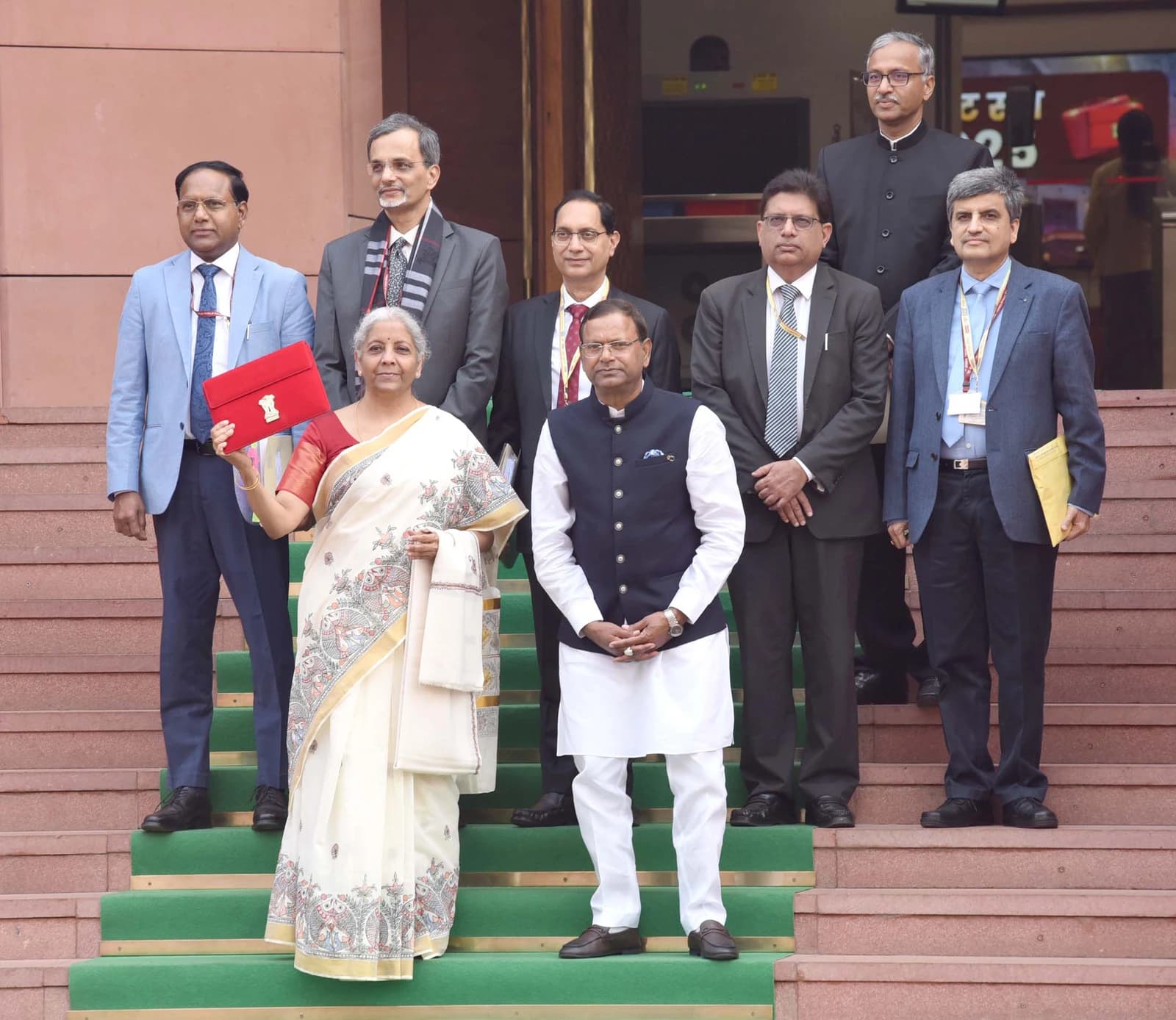
That is the central message from a new economic study, reinforced by the latest budget numbers: for every Rs 100 the government plans to spend, it expects to raise only about Rs 30 from its own resources. The rest will have to come from grants from New Delhi, other receipts and debt.
The gap matters because it shows the region’s growth is not translating into fiscal self-sufficiency. Jammu and Kashmir’s own revenue is projected at Rs 31,800 crore against expenditure of Rs 1,05,958 crore, excluding debt repayments. Total revenue receipts are estimated at Rs 90,018 crore, but 65% of that will still come from central grants. In other words, economic expansion is not yet broadening the local tax base enough to fund the state’s commitments.
For investors and policymakers, the implication is that fiscal consolidation in Jammu and Kashmir remains conditional rather than structural. The budget projects a narrower fiscal deficit of 4.6% of gross state domestic product, from 4.9% in the revised 2025-26 estimate, and a revenue surplus of Rs 9,378 crore. But the study argues that those headline improvements do not mean the administration can spend without outside support. The balance sheet remains dependent on transfers, and borrowing of Rs 20,073 crore is still budgeted for the year.
The strain is visible in the composition of spending. Revenue expenditure, which covers salaries, pensions, interest and subsidies, is projected at Rs 80,640 crore, far above capital outlay of Rs 25,236 crore. That leaves limited room to redirect money toward infrastructure or industrial development without either raising more revenue or cutting recurring costs. The power sector adds another layer of pressure: the budget shows Rs 7,100 crore in power-related non-tax revenue against Rs 9,300 crore of power purchase costs, suggesting continuing under-recovery in a utility that already absorbs a large share of the revenue budget.
That makes the quality of growth as important as the pace of growth. A larger economy can produce more revenue, but only if expansion comes from taxable activity rather than from sectors that do not feed back strongly into public coffers. The study points to weak industrial depth and high unemployment as signs that the current growth model is still too narrow to deliver durable fiscal improvement.
The near-term outlook is therefore one of managed dependence rather than crisis. Central assistance remains sufficient to keep the budget functioning, and the deficit is still within a relatively controlled range. But unless own-revenue growth accelerates and power-sector losses are contained, Jammu and Kashmir’s fiscal position will remain vulnerable to shifts in federal support, borrowing costs and expenditure overruns.
| Entity | Gains | Losses |
|---|---|---|
| Jammu and Kashmir government | ▲Central support, budget flexibility | ▼Fiscal autonomy |
| Union government | ▲Policy influence | ▼Higher transfer burden |
| Taxpayers in J&K | ▲Public services | ▼Limited local revenue base |
| Investors and lenders | ▲Steady government funding need | ▼Higher debt dependence |