Japan is moving toward a 560,000 yen annual income threshold for a new benefits program, a sign that policymakers are trying to widen social support without opening the door to a much costlier expansion of the welfare bill.
Japan 560,000 Yen Benefit Threshold Under Review
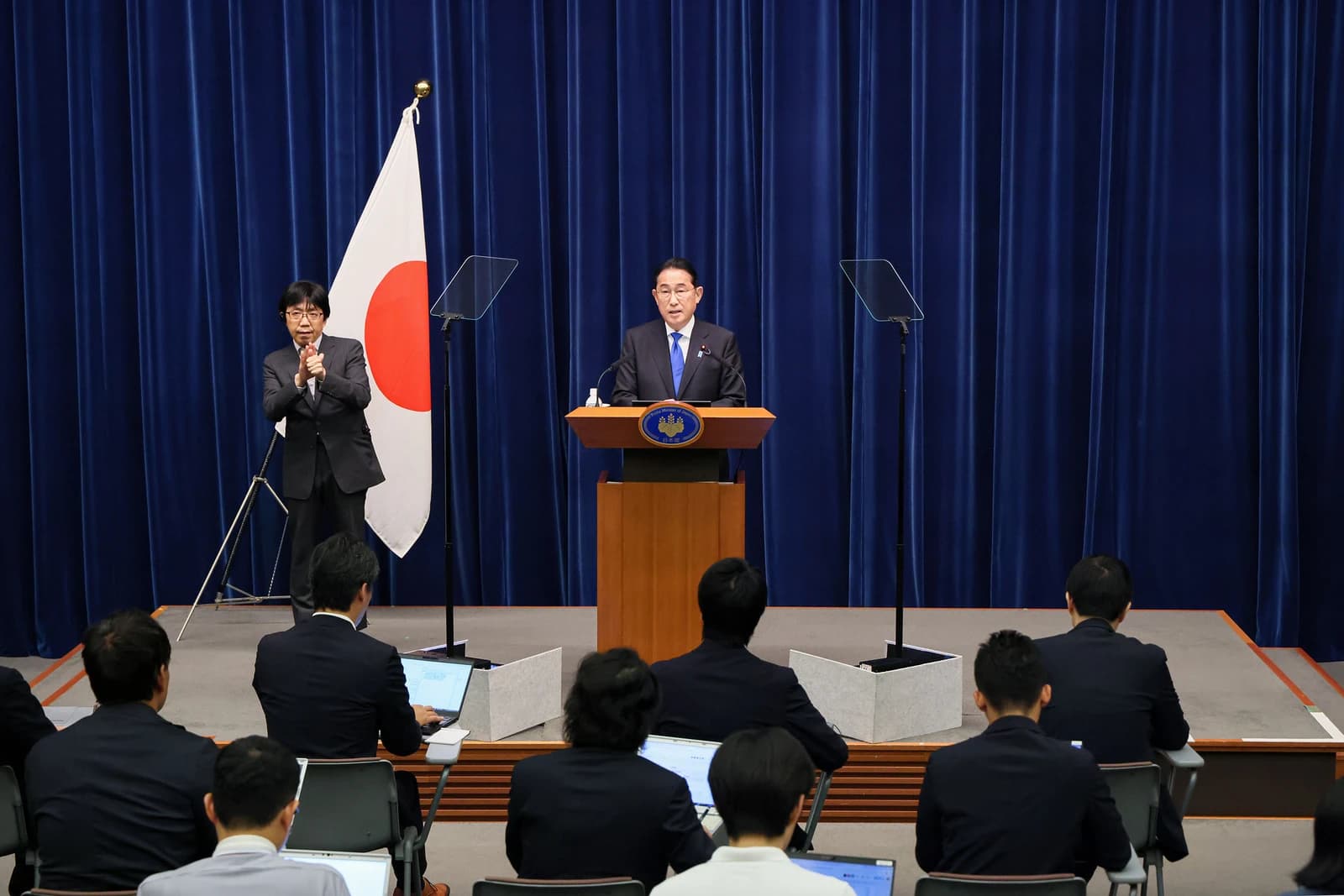
The proposed level sits below the three options the government had put on the table — about 530,000 yen, 740,000 yen and 1.06 million yen — and appears designed to satisfy Komeito’s preference for the lower band while keeping the program tied to the minimum-wage framework for fiscal 2026. That makes the choice more than a technical cutoff: it is a test of how far Japan can extend benefits as it confronts an aging population, a tight labor market and pressure to keep public finances from deteriorating further.
Sentiment Indicators

A higher threshold would pull in more workers and raise the cost of the scheme, which is due to start in fiscal 2027. The government has also indicated a maximum income cap of about 4.5 million yen, a level intended to make more than half of workers eligible. That suggests the administration wants a broad program, but not one that becomes an open-ended entitlement. In a country where welfare reform is increasingly shaped by demographics as much as politics, the details of the cutoff will help determine whether the system is seen as a targeted labor support measure or another persistent fiscal burden.
For investors, the immediate market impact is indirect but real. Japan’s long-running debate over welfare design feeds into the broader fiscal outlook, which matters for government bond supply, the yen and the policy space available to the Bank of Japan. The yen has already been under pressure on shifting rate differentials and weaker risk appetite, with Adalytica’s Japanese yen trade signals showing “Extreme Fear” and a sharp drop in 30-day sentiment. Any policy choice that implies larger recurring spending could reinforce concerns about Japan’s debt dynamics, even if the near-term budget hit is limited.

The story also matters for domestic firms and households. A lower eligibility threshold leaves more workers outside the new benefits umbrella, which may reduce the fiscal cost but limit the boost to disposable income and consumption. A higher bar would do the opposite, but at a time when Japan is trying to preserve incentives to work and avoid adding to structural spending commitments. The government’s framing suggests it is trying to thread that needle.
The next focus will be whether the 560,000 yen figure hardens into the final design and how the maximum income cap is implemented. If the policy remains close to the current proposal, it would point to a cautious, incremental welfare expansion. If it moves materially higher, markets are likely to read that as another sign that Japan is willing to trade fiscal restraint for broader social coverage.
| Entity | Gains | Losses |
|---|---|---|
| Low- and middle-income workers | ▲Wider access to benefits | ▼Smaller support if cutoff stays low |
| Japanese government | ▲Political compromise, contained cost | ▼Fiscal flexibility |
| Komeito | ▲Policy influence, lower threshold | ▼Less room for broader expansion |
| Japan bond bears | ▲Clearer fiscal caution if limits hold | ▼Broader eligibility if threshold rises |