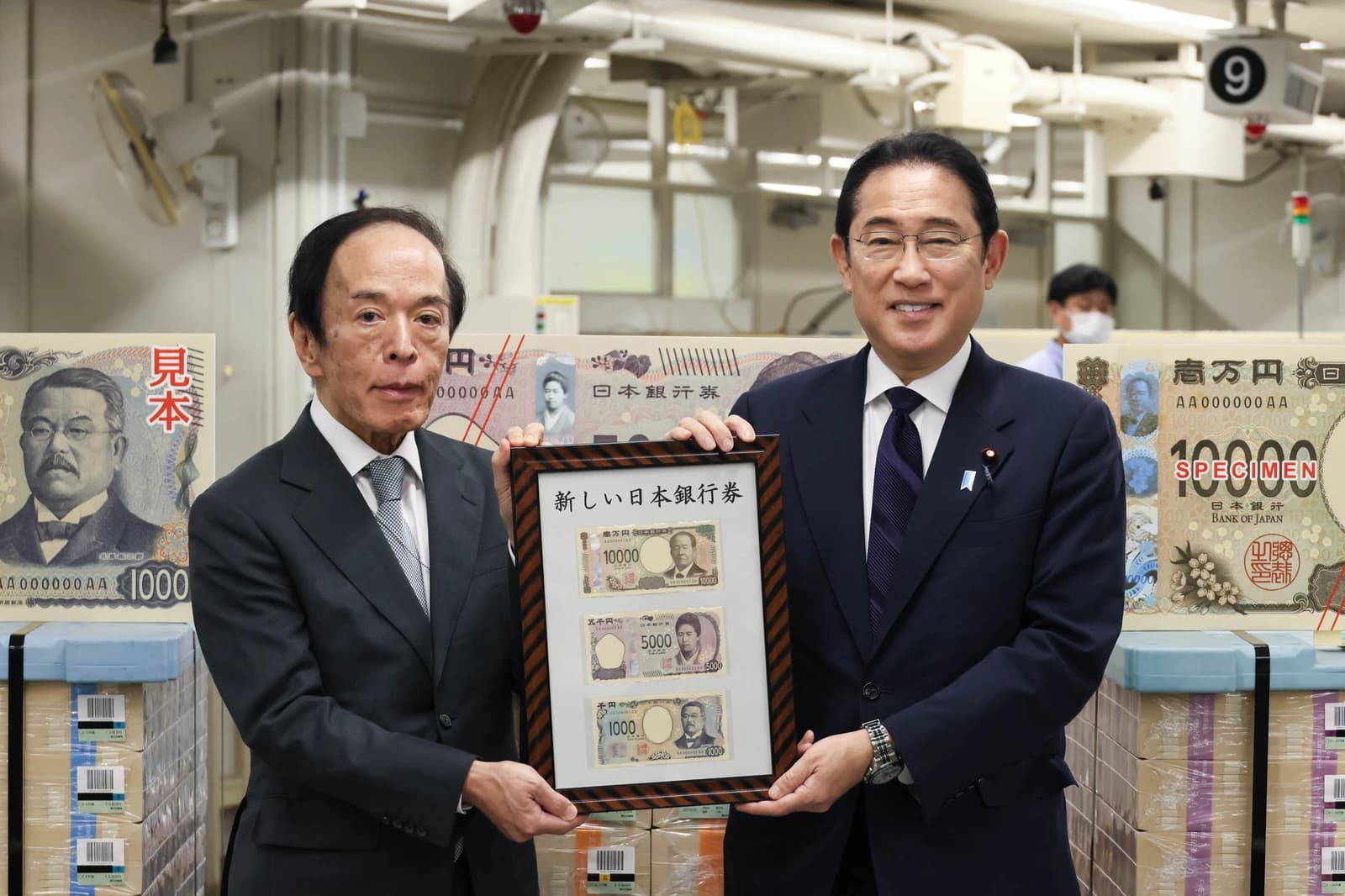
Japan’s inflation accelerated to 2.2% in October, reinforcing the case for another Bank of Japan interest-rate increase as higher energy and food costs keep price pressures above the central bank’s 2% target.
Japan inflation rises to 2.2% in October

The increase in core consumer prices, which excludes fresh food, rose from 2.1% in September and 1.7% in the previous month, the interior ministry said. The reading was just below the 2.3% expected by economists surveyed by Bloomberg, but still leaves inflation running at a level the BoJ has said should remain “clearly” above its target in the coming months.
Sentiment Indicators
For investors, the data matters because it keeps Japan’s monetary-policy normalization on track at a time when global rates remain elevated and markets are sensitive to any shift in the BoJ’s stance. Governor Kazuo Ueda has recently sounded more open to tightening, saying core inflation needs to stay around 2% before policy can move further, though he has avoided committing to timing.
October’s pickup also suggests that government subsidies on gasoline and electricity, while cushioning households, are no longer fully offsetting imported cost pressures. Food prices remain a key driver, and the report also points to broader price gains across a range of goods and services, including items linked to artificial intelligence demand such as semiconductors.
That mix matters economically because Japan is still struggling to turn higher prices into durable growth. Inflation has supported the BoJ’s argument that the era of ultra-easy policy is ending, but it has also squeezed consumers and weighed on activity, leaving policymakers to balance price stability against fragile domestic demand.
The market reaction will likely center on yen and rate expectations. A stronger prospect of higher Japanese rates tends to support the currency and can ripple through global bond markets, particularly at a time when investors are already reassessing the path of US yields and the dollar. Japan-focused equity sectors sensitive to funding costs and consumer spending may also face pressure if tighter policy comes sooner than expected.
The key question now is whether October marks the start of a more sustained inflation run or just another month of cost-push pressure. If price gains remain broad-based into year-end, the BoJ will have more room to hike. If not, officials may continue to move cautiously, wary of tightening into a weakening economy.
| Entity | Gains | Losses |
|---|---|---|
| Bank of Japan | ▲More room to tighten | ▼Policy flexibility if growth weakens |
| Japanese yen | ▲Higher-rate support | ▼Importers facing firmer currency costs |
| Savers | ▲Better deposit returns ahead | ▼Borrowers and rate-sensitive sectors |
| Consumers | ▲None | ▼Higher food and energy bills |