Japan’s economy stalled in the third quarter, underscoring how persistent inflation and higher energy costs are starting to squeeze domestic demand even as policymakers look for a firmer rebound.
Japan GDP Contracts as Inflation Hits Demand

Real GDP contracted 0.1% in the period, and the message from the data is that the recovery remains fragile rather than self-sustaining. One economist said the economy’s dynamism “will only gradually improve in the short term,” warning that inflation will increasingly weigh on household spending and broader activity.
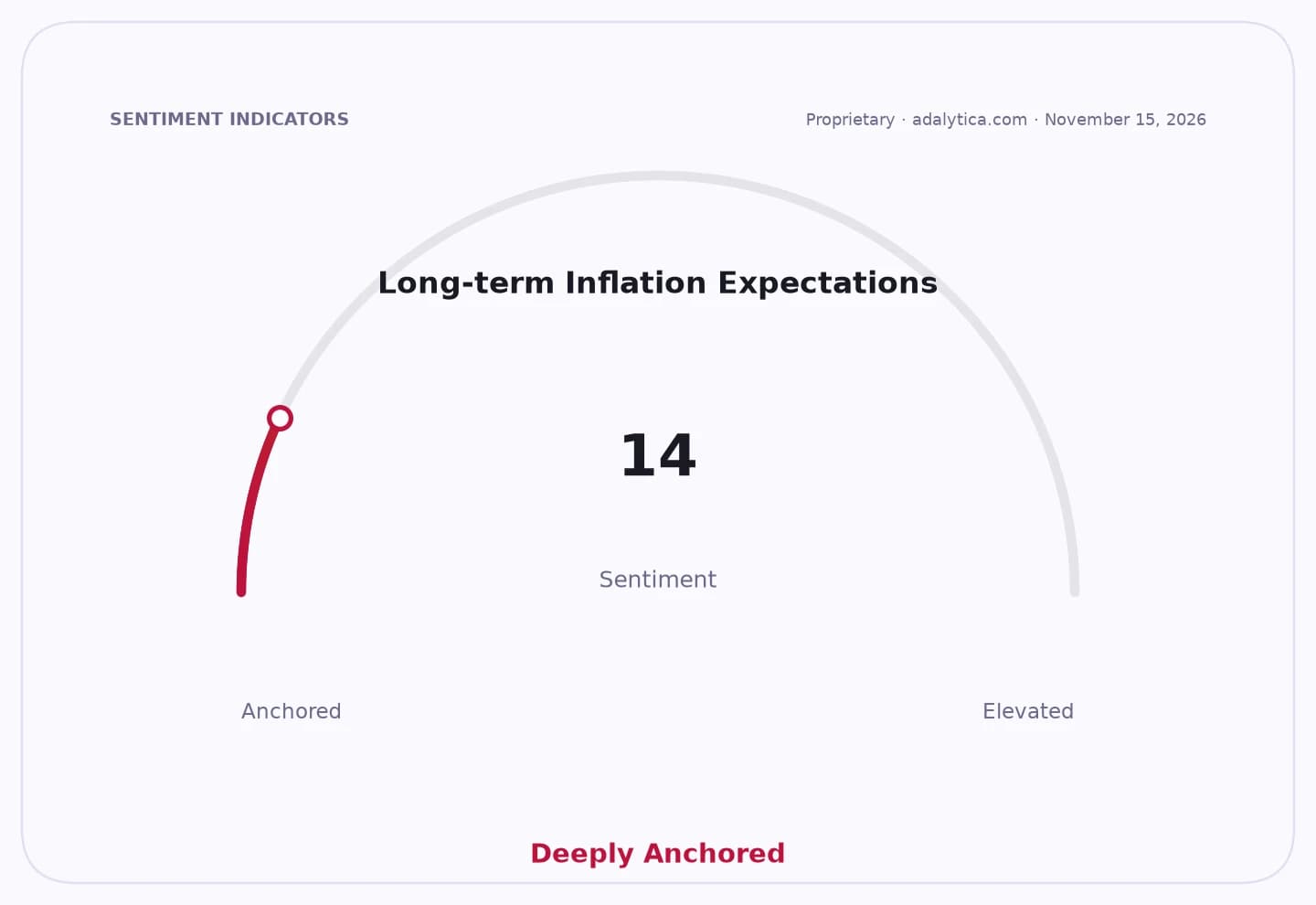
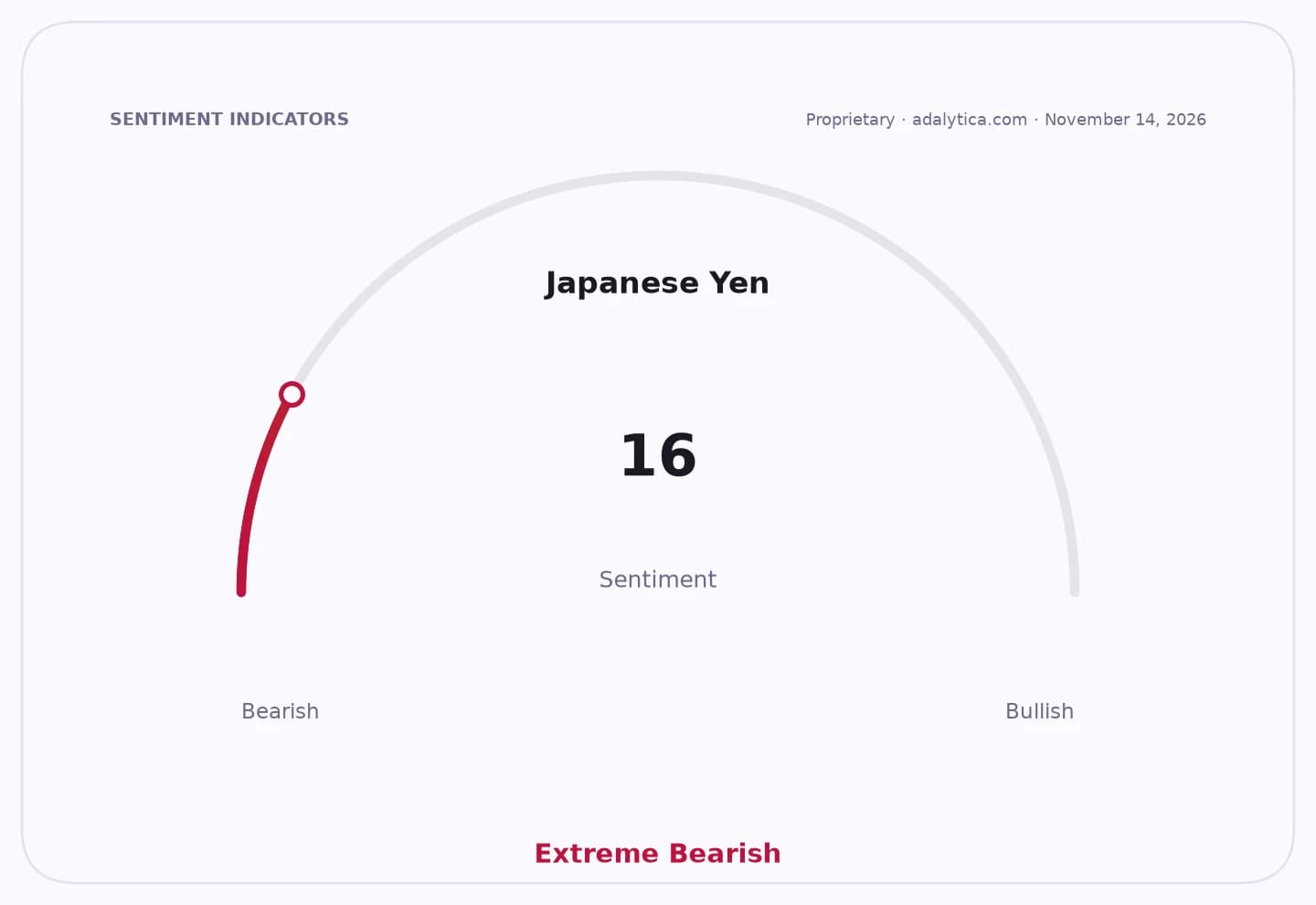
Sentiment Indicators
Consumer Spending
That matters because Japan’s growth path is now being pulled in opposite directions: exports and corporate earnings have held up better than consumer demand, but households are losing purchasing power just as import costs stay elevated. The result is weaker momentum in private consumption, which is the key engine needed to turn a stagnating economy into a durable expansion.
Investors are watching closely because softer domestic demand complicates the Bank of Japan’s normalization path. If inflation continues to outpace wage gains, policymakers face the uncomfortable mix of sticky price pressures and weak growth, limiting room for aggressive tightening while keeping pressure on the yen and Japanese rates.
CPI
The market has already started to reflect that tension. The iShares MSCI Japan ETF, EWJ, was last around $91.76, below its 50-day moving average of $95.65, while the iShares currency-hedged Japan ETF, DXJ, traded at $59.44, near its 50-day average of $59.47. The yen-tracking FXY fund was at $57.38, while its RSI reading had fallen to 33.8, a sign of recent weakness, though those conventional technical indicators only capture short-term positioning, not the macro backdrop.
The inflation squeeze is also visible in sentiment gauges. Adalytica’s consumer spending sentiment sat at 4, marked “Extreme Fear,” reinforcing the view that Japanese households are becoming more cautious as living costs rise.
For investors, the near-term focus shifts to whether wage growth can catch up fast enough to support consumption and whether energy prices ease enough to stop eroding real incomes. Until then, Japan’s recovery looks set to remain uneven, with exporters and large listed companies faring better than domestic-oriented sectors.
| Entity | Gains | Losses |
|---|---|---|
| Exporters | ▲Weaker yen support | ▼Import costs rise |
| Large Japanese corporates | ▲FX tailwind, steady earnings | ▼Domestic demand softness |
| Consumers | ▲None | ▼Real incomes, spending power |
| BOJ | ▲More time to be cautious | ▼Clearer path to normalization |