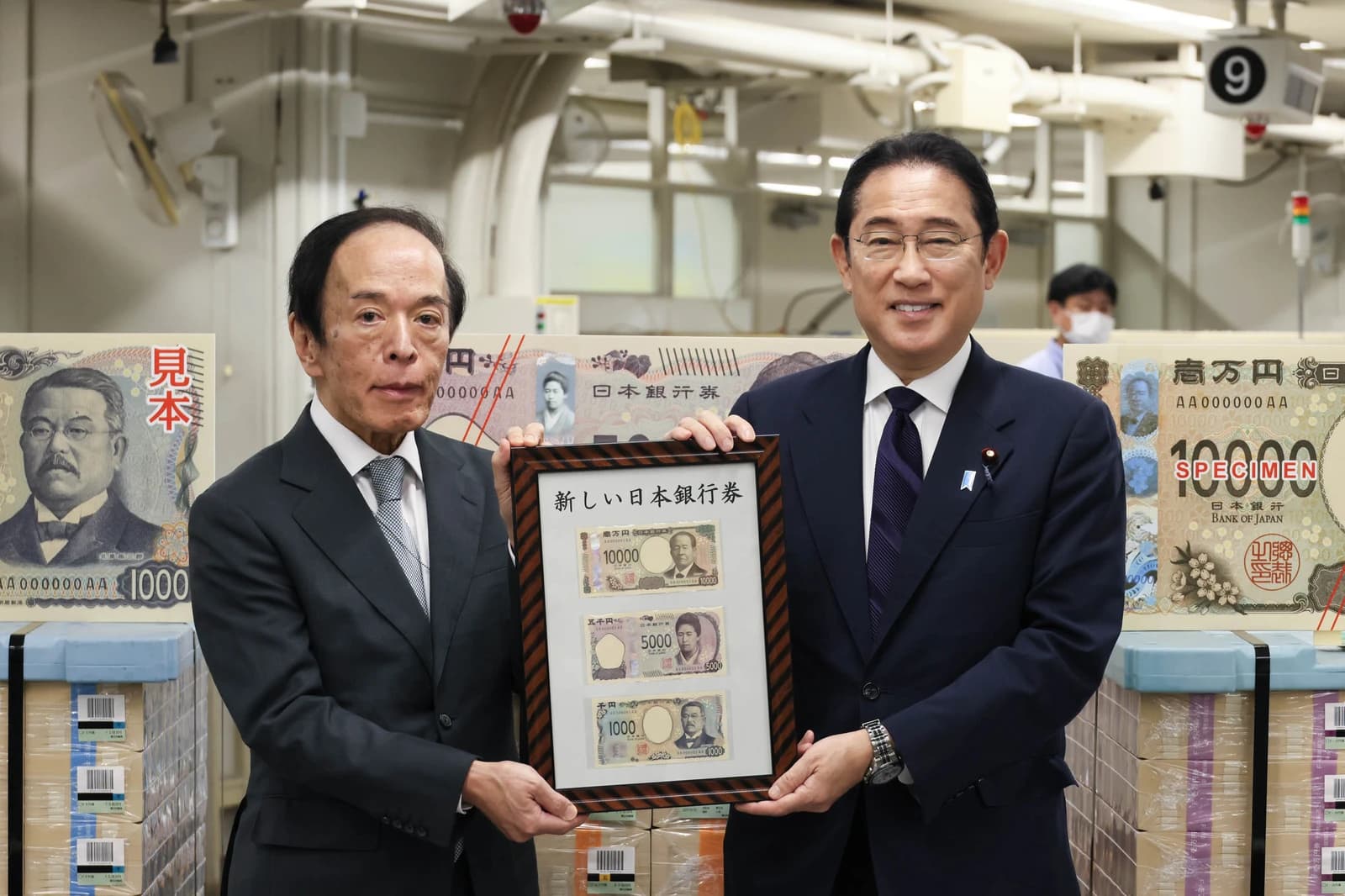
Japan’s central bank is signaling that the next phase of its policy debate will be shaped less by whether inflation has arrived and more by how sticky it may become, with Governor Kazuo Ueda warning that price growth could accelerate into early 2027 as energy costs feed through to consumers.
BOJ Ueda Says Inflation May Stay Sticky Into 2027
Long-term Inflation Expectations
That matters because it raises the odds the Bank of Japan will have to keep tightening policy, even as it tries to avoid derailing a fragile recovery. For investors, the message is that Japan’s long era of ultra-loose policy is not snapping back to normal quickly, but the bar for additional rate rises is also falling if inflation proves more persistent than policymakers expected.
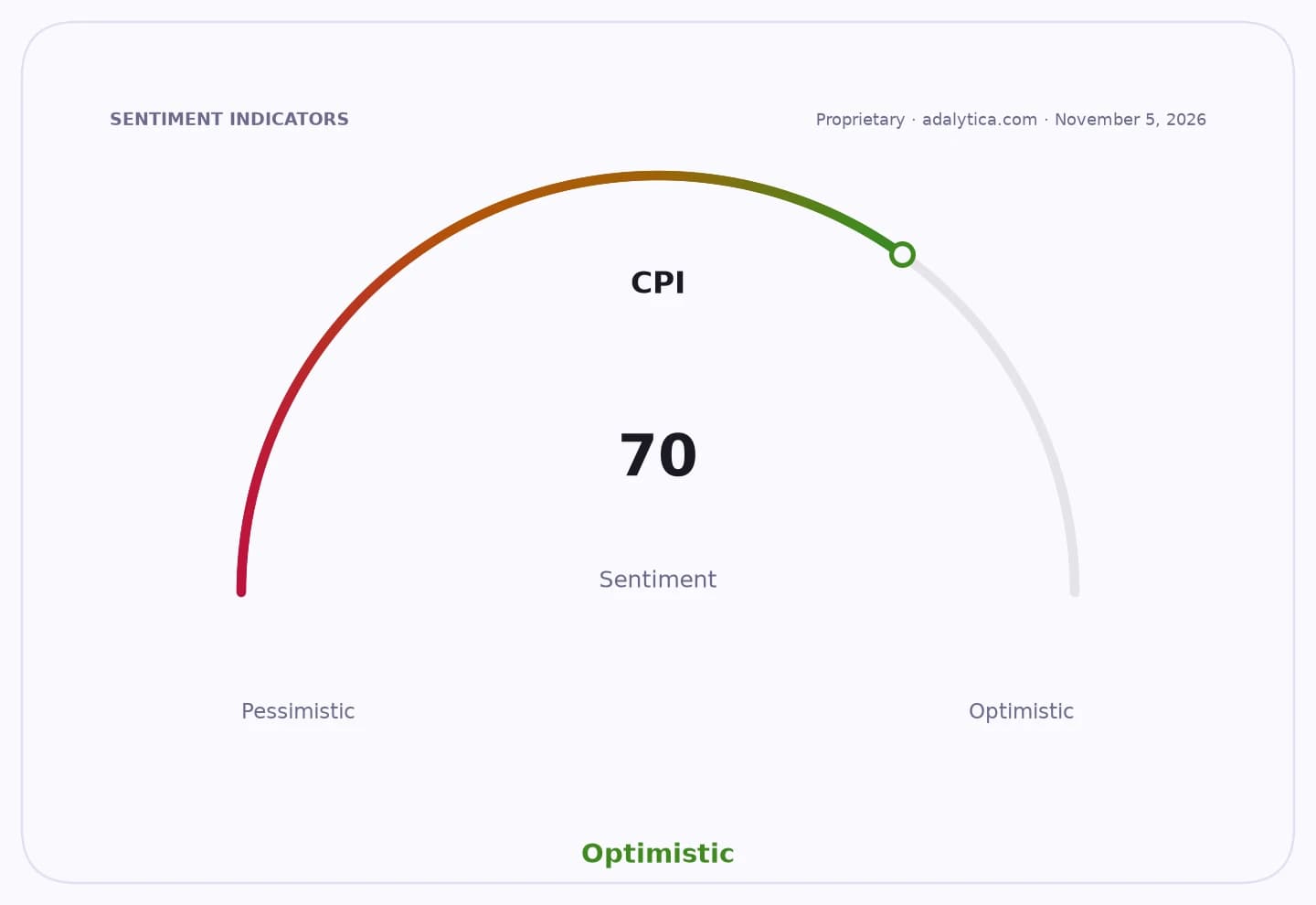
Sentiment Indicators
Speaking at an IMF seminar, Ueda said Japan was moving toward an equilibrium in which wage growth is consistent with inflation of about 2%, while stressing that the BOJ’s inflation goal has not yet become fully entrenched as a social norm. The central bank’s immediate task, he said, is to anchor underlying inflation around 2% and keep it there.
The comments reinforce a key shift in the BOJ’s thinking: after decades of fighting deflation, officials are now increasingly focused on preventing inflation from slipping below target, but also on ensuring that any price gains are supported by wages rather than imported shocks. That distinction matters for households and companies alike. If energy costs are the main driver, the squeeze on real incomes can persist even as headline inflation rises. If wage growth keeps up, the BOJ has more room to normalize policy without choking demand.

The inflation backdrop is already complicating markets. Japan’s wholesale prices have been running hot, and the broader inflation narrative has pushed global investors to watch whether the BOJ is finally prepared to move further away from negative-rate-era settings. Ueda’s remarks suggest policymakers see enough upside risk to keep the option of more adjustment alive, even if they are still waiting for firmer evidence that 2% inflation has become durable.
He also said the BOJ is closely monitoring policy decisions by other central banks because of their influence on asset prices, foreign exchange and interest rates. That is especially relevant for Japan, where even modest shifts in global yields can amplify moves in the yen and in domestic bond markets. The 10-year U.S. Treasury yield was trading around 5.1% in recent days, underscoring how wide external rate differentials can remain, while the yen proxy ETF FXY has been choppy and remains below its 50-day moving average, a sign the market is still undecided on the currency’s direction.
For equity investors, the policy mix is a double-edged sword. A firmer inflation outlook can support banks and other financials if it keeps pressure on Japanese rates to normalize. But it can also weigh on rate-sensitive sectors and consumer spending if higher energy costs and tighter policy compress margins and real demand. The broader Japan equity proxy EWJ has also lost momentum, with the fund trading below its 50-day average and its RSI in the low 40s, reflecting a more cautious stance toward the market as monetary-policy uncertainty persists.
Ueda’s remarks on unconventional tools also matter for the market because they put a floor under the BOJ’s willingness to intervene in a severe shock, while making clear such measures are not a substitute for normal rate cuts. In other words, Japan is unlikely to return to emergency-style easing unless conditions deteriorate sharply.
The governor’s framing leaves investors with a narrower but more important question: not whether Japan has escaped deflation, but whether it can sustain inflation near target without reigniting financial instability or hitting consumption. That will depend on wage growth, energy prices and the yen — and on whether the BOJ concludes that inflation risks are still tilted higher into 2027.
| Entity | Gains | Losses |
|---|---|---|
| BOJ / Ueda | ▲Policy room to keep normalizing | ▼Pressure to act if inflation stays firm |
| Japanese banks | ▲Higher-rate environment | ▼Lower asset-market support if tightening deepens |
| Japanese consumers | ▲If wages keep pace | ▼If energy-driven inflation erodes real incomes |
| Yen bulls | ▲More BOJ tightening support | ▼If rate differentials stay wide |