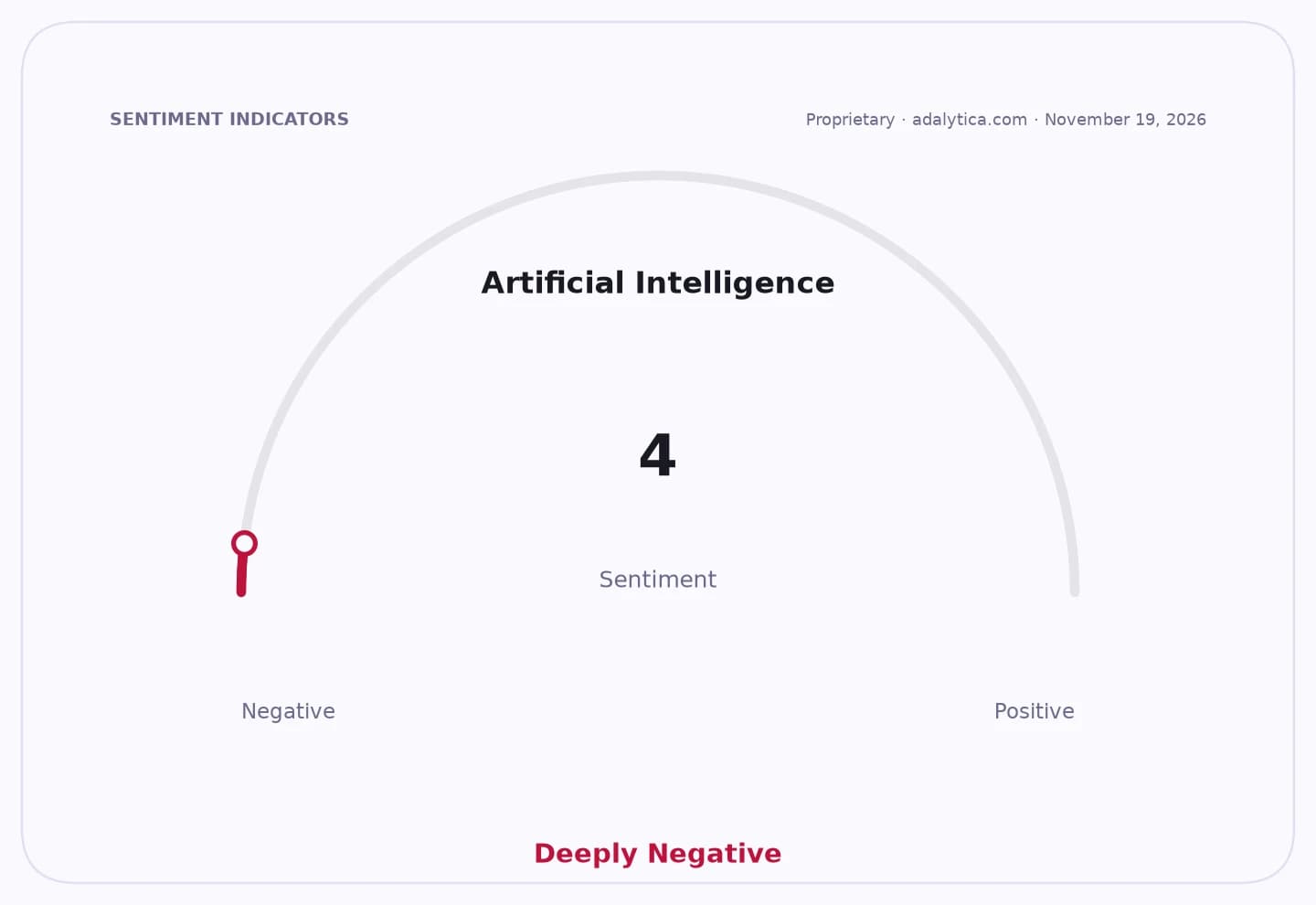
SB Energy’s final deficit for the nine months through September ballooned to 300 billion yen, underscoring how Japan’s rush to build AI infrastructure is colliding with surging power-related costs and threatening to stretch the balance sheets of state-backed project vehicles.
SB Energy Nine-Month Deficit Reaches 300 Billion Yen
The loss, which was deeper than earlier estimates, highlights the rising price of the hardware and inputs needed to support next-generation computing, especially high-performance GPUs and related components. For Japan, where the government has made artificial intelligence a pillar of its growth strategy, the issue is not just a corporate one. It speaks to the cost of competing with the U.S. and China in an increasingly capital-intensive race for computing capacity, data centers and electricity.
A 300 billion yen deficit in just nine months is large even by the standards of heavy infrastructure bets. It suggests that the economics of AI investment are becoming harder to manage as demand for advanced chips remains intense and supply chains stay tight. That matters for policymakers because the state is being asked to support more of the burden, raising fiscal risks at a time when Japan is already trying to keep a lid on spending. It also matters for investors because the profitability of AI-related projects depends increasingly on securing power, chips and financing at a pace that can keep up with soaring demand.
The broader message is that Japan’s AI push is moving from strategy to execution, and execution is proving expensive. Companies and their backers may still see long-term value in building out domestic AI capacity, but the near-term pain is likely to force tougher scrutiny of returns, project timelines and public support. If costs keep climbing, the winners will be suppliers of advanced semiconductors, energy infrastructure and data-center equipment, while the losers will be developers and investors exposed to margin pressure and funding strain.
| Entity | Gains | Losses |
|---|---|---|
| Semiconductor suppliers | ▲Higher demand | ▼Tight supply pricing |
| Power and data-center firms | ▲More infrastructure spending | ▼Higher buildout costs |
| SB Energy | ▲Strategic AI role | ▼300 billion yen deficit |
| Japanese taxpayers/state backers | ▲Long-term tech capacity | ▼Larger fiscal burden |