Japan’s plan to invest billions of yen in a new ShinMaywa factory for the US-2 amphibious aircraft is less about one niche plane than about preserving a strategically important defense-industrial capability at a time when Tokyo is trying to reshape procurement, control costs and keep key domestic production lines from going cold.
ShinMaywa US-2 Factory to Open in Kobe in 2029
The new 17,500-square-meter plant on reclaimed land at Kobe Airport is slated to start operations in 2029 and will keep the US-2 search-and-rescue line alive for the Japan Maritime Self-Defense Force. That matters because once a specialized aircraft line shuts down, restarting it is expensive, slow and often impossible without rebuilding suppliers, tooling and skilled labor from scratch. For Japan, which is already weighing sharp cuts in some defense orders from April 2027, the factory is a signal that select high-value programs will still get protected capital even as the broader procurement mix tightens.
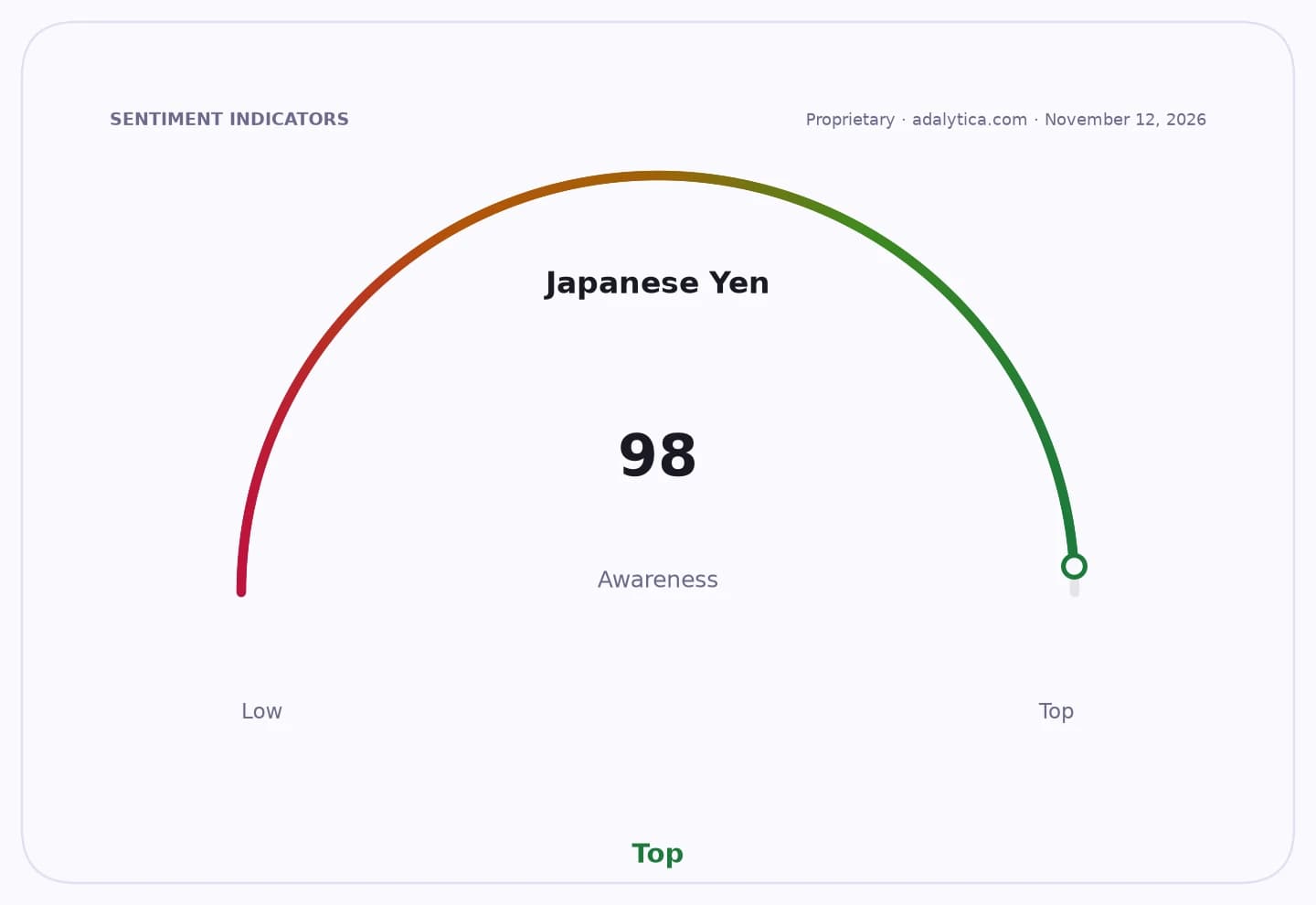
Sentiment Indicators
That makes the project economically important beyond defense headlines. ShinMaywa is not only securing continuation of US-2 assembly; it is also expanding production of carbon-fiber reinforced plastic components for military and civilian aircraft, including Boeing 787, 777/777X and Bombardier Global 7500 programs. In other words, this is both a defense-industrial policy decision and an aerospace manufacturing play. The facility helps preserve advanced composites expertise in Japan, supports high-skill jobs, and keeps domestic industrial capacity embedded in global aircraft supply chains.
For investors, the bigger takeaway is that Japan’s defense buildout is becoming more selective, not smaller in all areas. A warning that arms orders could be cut by as much as 80% from 2027 is a clear headwind for contractors dependent on broad procurement volumes. But programs tied to surveillance, search and rescue, amphibious operations and maritime security still have political and strategic protection. That creates a bifurcated market: some defense suppliers face a budget air pocket, while others tied to specialized platforms, maintenance, avionics and composites can still win durable work.
The stock market is already treating Japan’s defense and aerospace theme cautiously. The iShares MSCI Japan ETF, EWJ, has slipped to $88.04 from a recent high near $97.93, while the U.S.-listed Japan defense and aerospace proxy DXJ has also softened, with technical indicators showing both names below their 50-day moving averages and DXJ’s RSI in the high 30s. That weakness is exactly why the setup matters: when sentiment is this washed out, the market can underprice long-duration industrial franchises that sit at the intersection of rearmament, advanced manufacturing and export capability.
The real opportunity is not in chasing every Japanese defense name higher. It is in identifying the contractors with the deepest moats in niche platforms, certified production know-how and aerospace materials. ShinMaywa’s US-2 program shows that Japan still values sovereign capability in critical military aviation, even as it trims spending elsewhere. If Tokyo follows through on selective procurement and industrial support, the winners will be the companies that own the hard-to-replicate parts of the chain: amphibious aircraft, composites, sensors and sustainment.
In a market obsessed with AI and semiconductors, this is the kind of underappreciated industrial theme that can compound quietly for years. Japan is not just buying one factory; it is buying continuity, resilience and bargaining power in defense manufacturing. Investors who understand that can position ahead of the next round of procurement decisions, rather than after the order books have already turned.
| Entity | Gains | Losses |
|---|---|---|
| ShinMaywa Industries | ▲Factory investment; US-2 line continuity | ▼None material |
| Japanese defense suppliers | ▲Protected niche orders | ▼Broad-volume contractors |
| Boeing/Bombardier supply chain | ▲CFRP component demand | ▼Delayed capacity expansion elsewhere |
| EWJ / DXJ holders | ▲Long-term industrial optionality | ▼Near-term defense budget uncertainty |