The U.S. Air Force is retrofitting the F-15EX with conformal fuel tanks, a move that stretches the jet’s combat radius and underscores how seriously Washington is preparing for a long-range air war in the Pacific with China.
F-15EX retrofit adds conformal fuel tanks
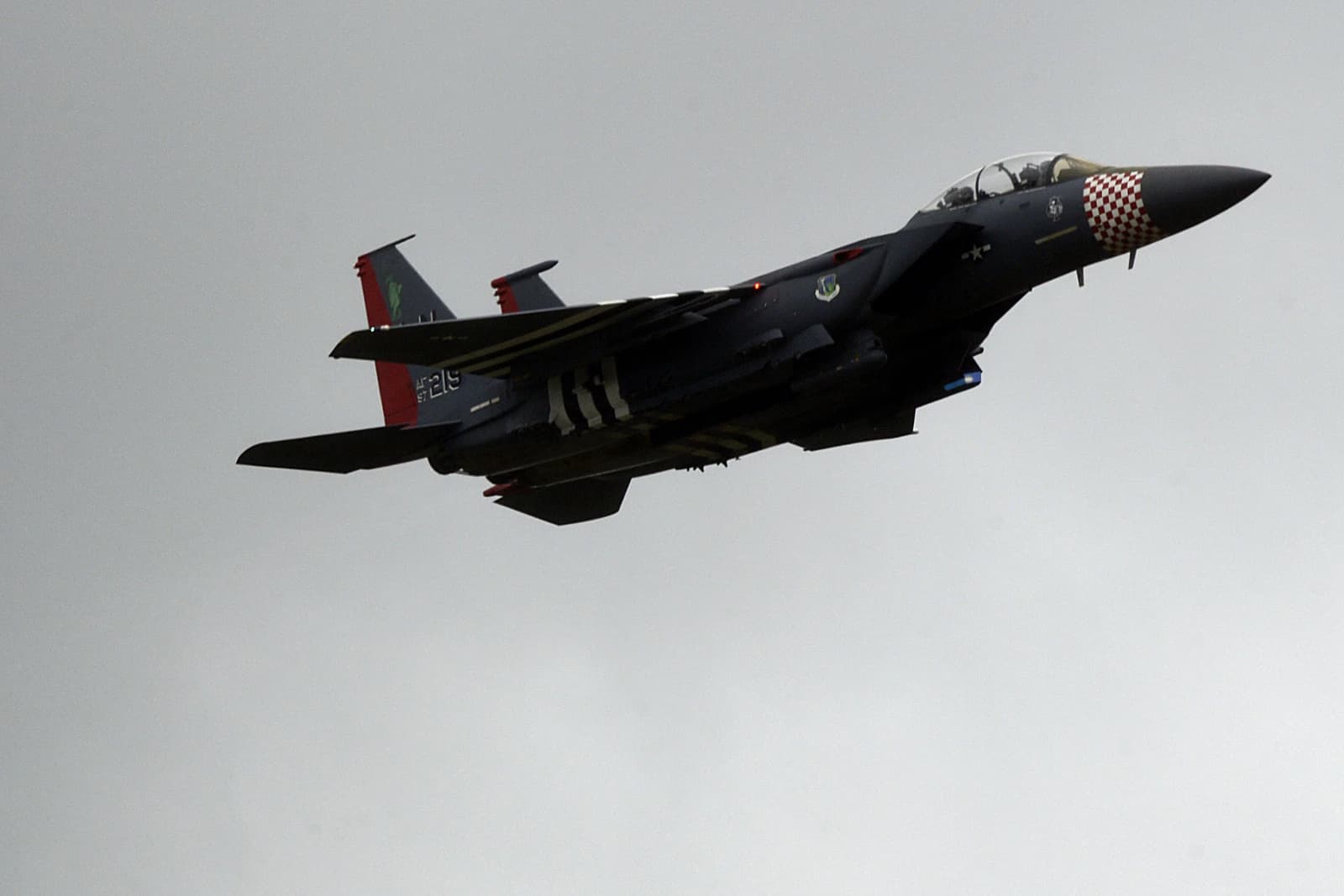
Two operational F-15EX Eagle II jets from Oregon’s Air National Guard have been flying with the tanks for about two weeks, according to a Nov. 6 statement from the 142nd Wing. The upgrade adds roughly 72% more fuel capacity, boosting internal fuel from 13,550 pounds to 23,350 pounds, while leaving extra pylons available for weapons or sensors.
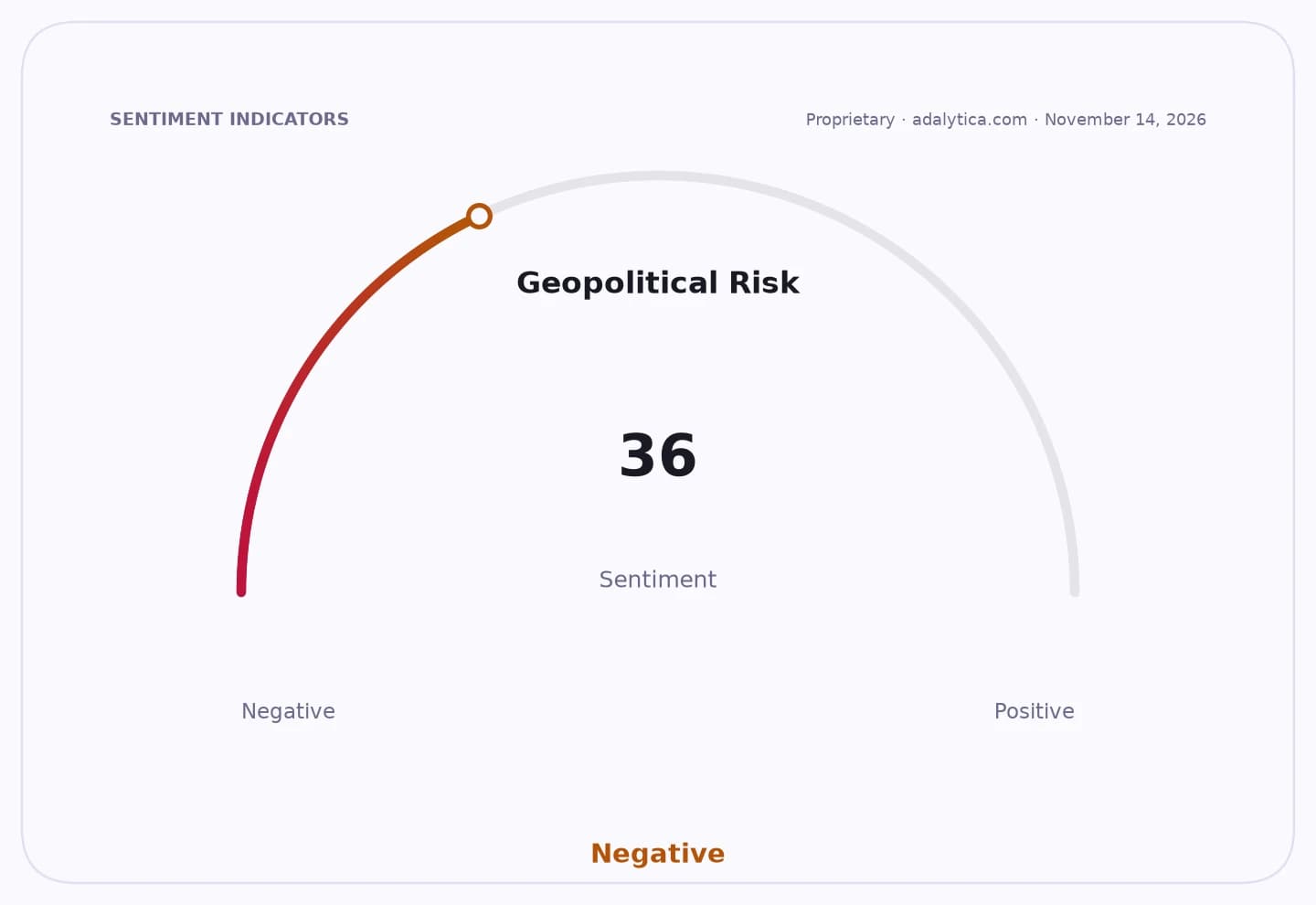
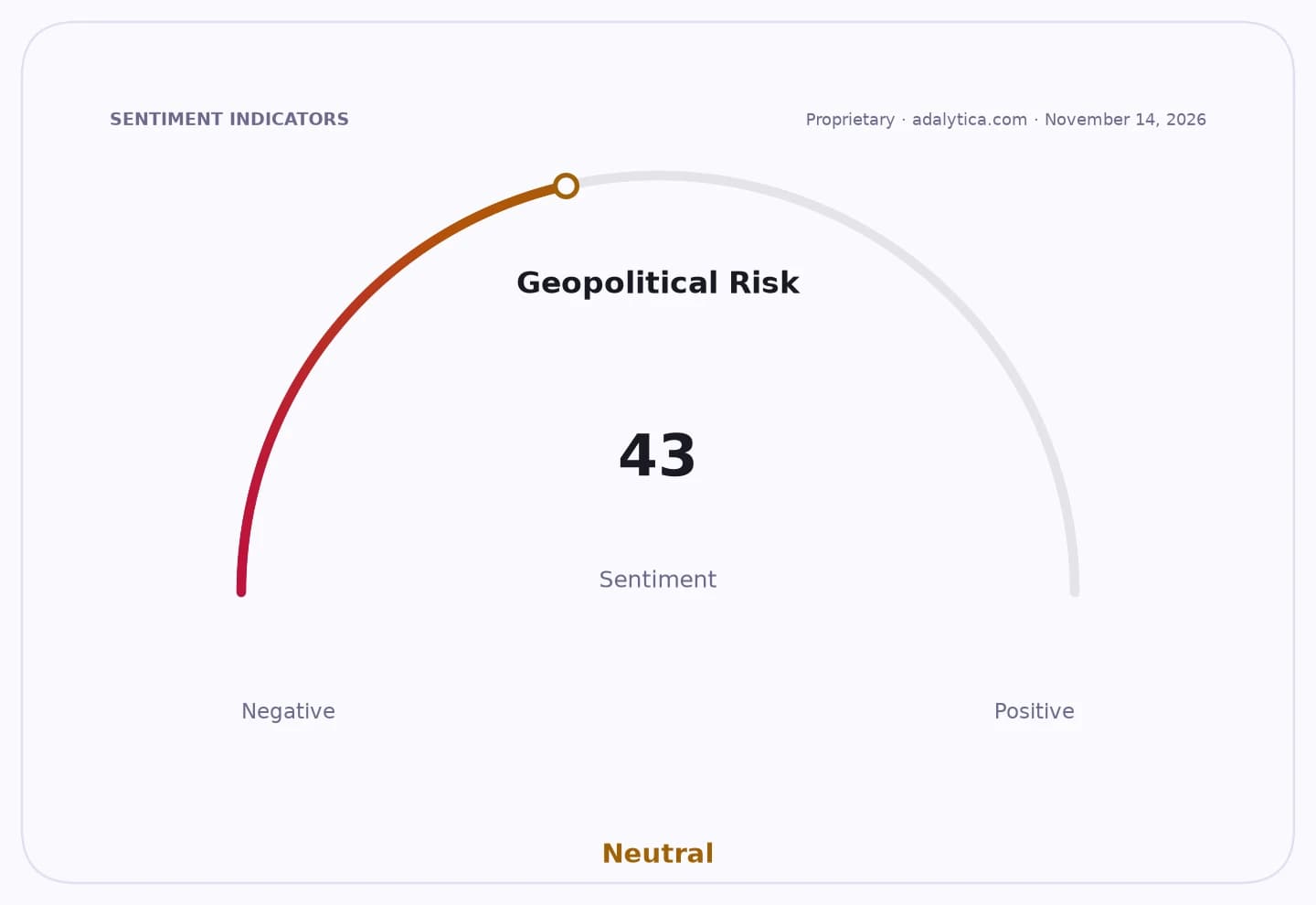
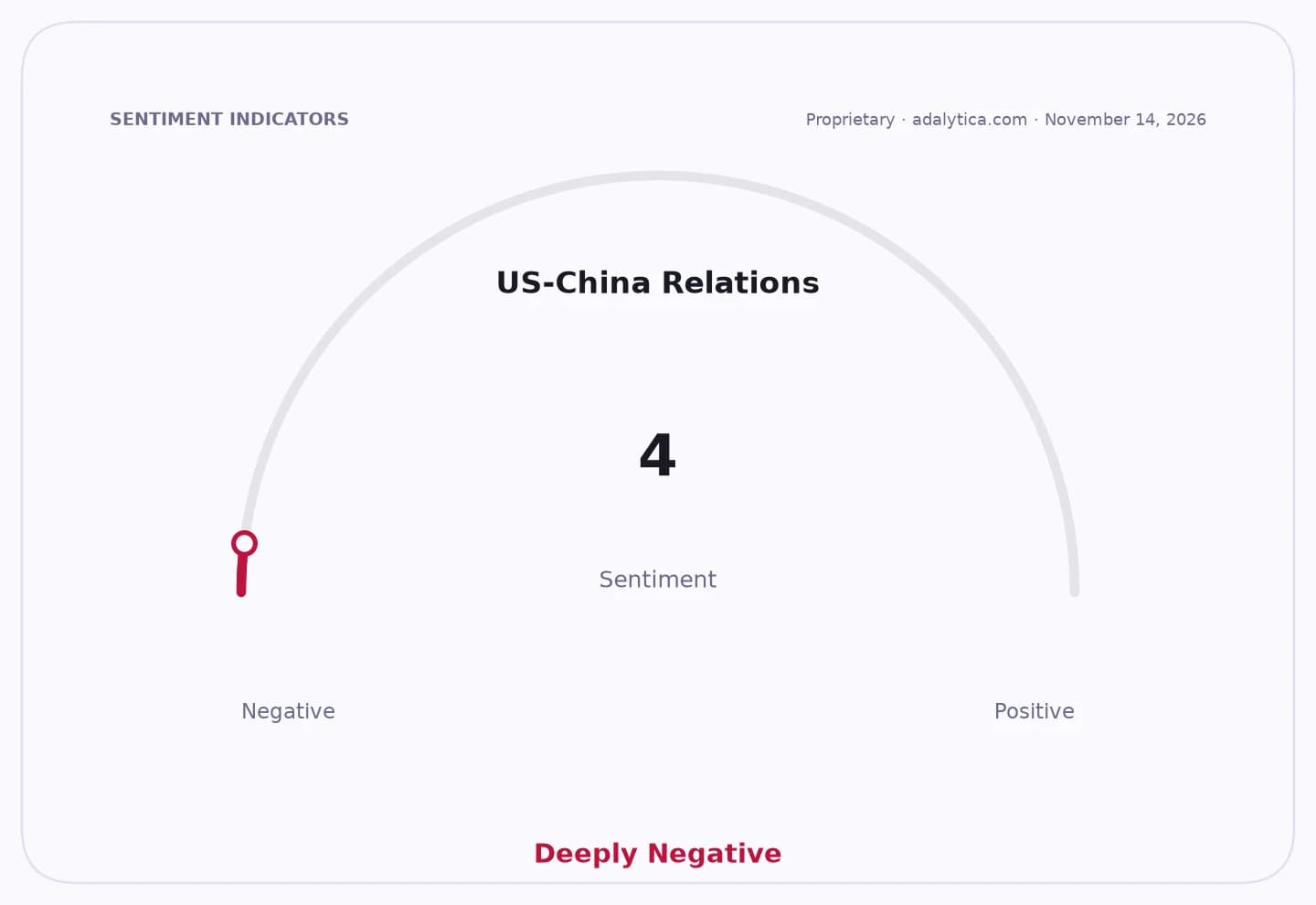
Sentiment Indicators
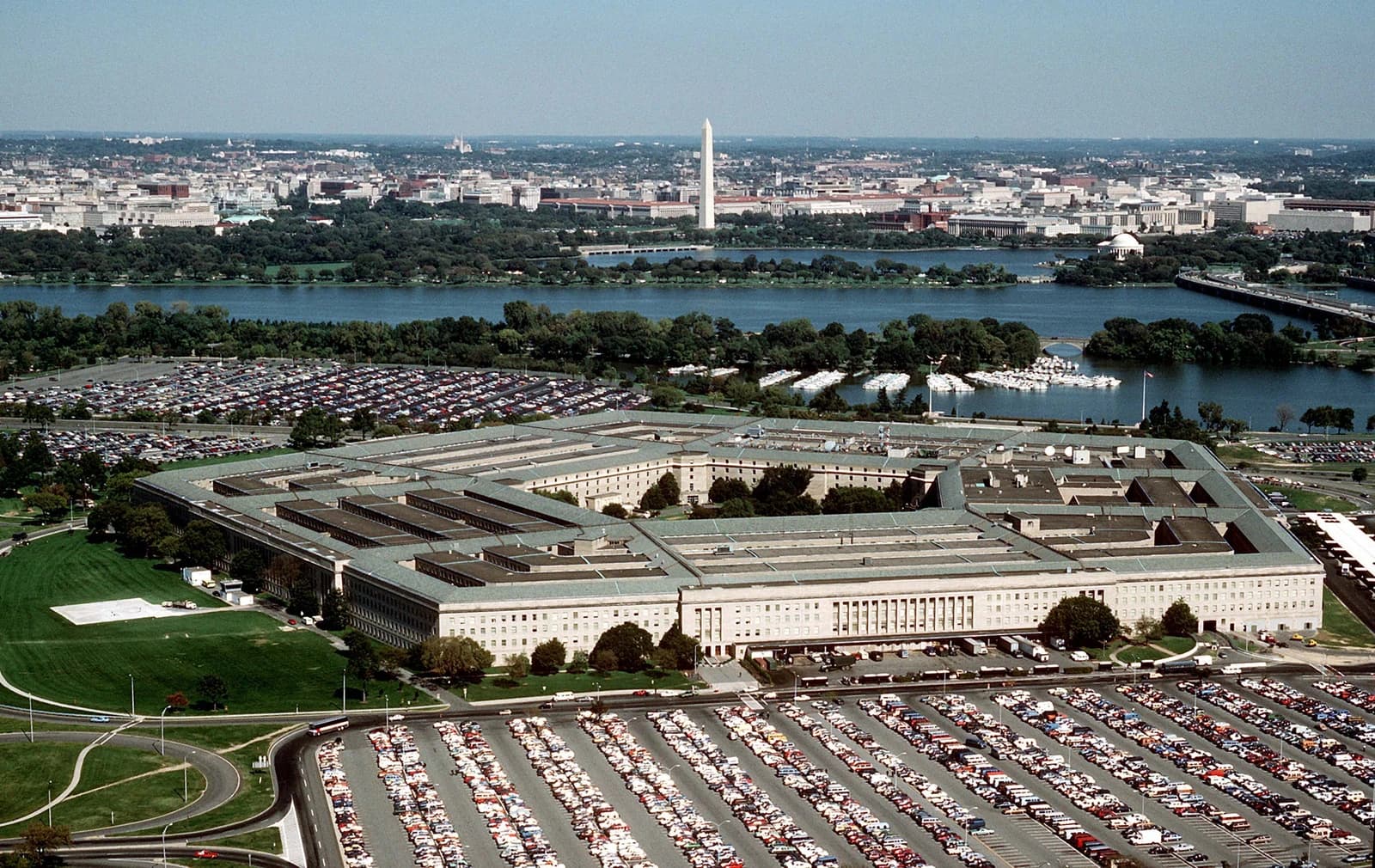
That matters because the Pacific is a tanker-dependent theater, and U.S. planners increasingly assume those tankers may not survive in a fight with China. Pentagon documents have already shifted toward a strategy built around resilient bases, dispersed operations and fuel independence, rather than the older model of launching from distant bases and refueling en route.
The retrofit also marks a change in what the F-15EX is meant to do. The jet was originally pitched as a replacement for aging F-15C/D aircraft focused on homeland air defense, and early operational aircraft were fielded without conformal tanks. The fiscal 2027 Air Force budget now funds 24 sets of the tanks for one operational squadron as a retrofit, a clear sign the platform is being adapted for longer-range strike and air superiority missions.
For investors, the shift reinforces the case for defense contractors tied to Pacific modernization. Boeing builds the F-15EX, while Lockheed Martin, RTX and Northrop Grumman all stand to benefit from the broader push for long-range strike, air defense, sensors and munitions in the Indo-Pacific. The theme has already been visible in defense stocks, with Lockheed shares recently near $596, RTX around $199 and Northrop around $550 after a volatile year marked by spikes in demand for missile defense and combat aircraft.
The broader narrative is that the U.S. is redesigning its air force around a conflict it thinks could start and be fought across thousands of miles, with bases under missile threat and tankers treated as vulnerable assets. That is why the F-15EX’s new tanks matter: they are not just a range upgrade, but a signal that the Pentagon expects the next Pacific fight to be won by aircraft that can carry more, fly farther and rely less on vulnerable support planes.
| Entity | Gains | Losses |
|---|---|---|
| Boeing | ▲F-15EX retrofit demand | ▼Older tanker-dependent doctrine |
| Lockheed Martin | ▲Pacific modernization spending | ▼Narrower role for legacy airframes |
| RTX | ▲Missile and sensor procurement | ▼Reduced reliance on single-mission platforms |
| China | ▲U.S. focus on long-range warfare | ▼Advantage from tanker vulnerability narrows |