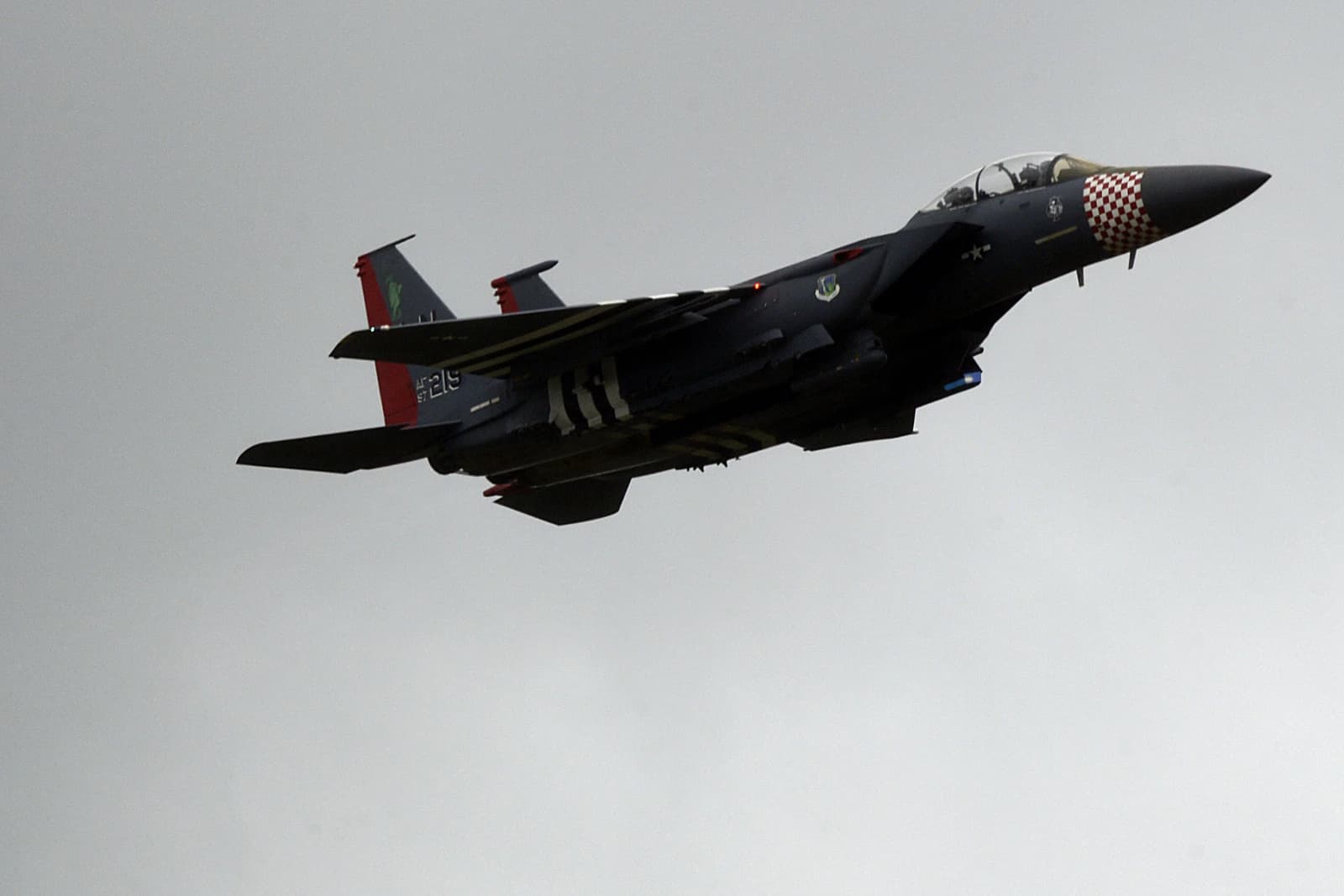
China’s first successful takeoff and landing of the GJ-21 stealth drone from the amphibious assault ship Sichuan is a meaningful advance in Beijing’s effort to turn large deck warships into mobile launch pads for unmanned strike aircraft.
China’s GJ-21 Drone Test on Sichuan Ship
The test matters because it moves China beyond showcasing drone airframes and into operational sea-based integration, a step that widens the military’s ability to project power farther from shore, suppress air defenses and complicate U.S. and allied planning in the western Pacific. A stealth drone that can launch from an amphibious ship gives the People’s Liberation Army Navy a lower-cost, reusable option for reconnaissance and strike missions that previously would have depended more heavily on crewed fighters and larger carrier assets.
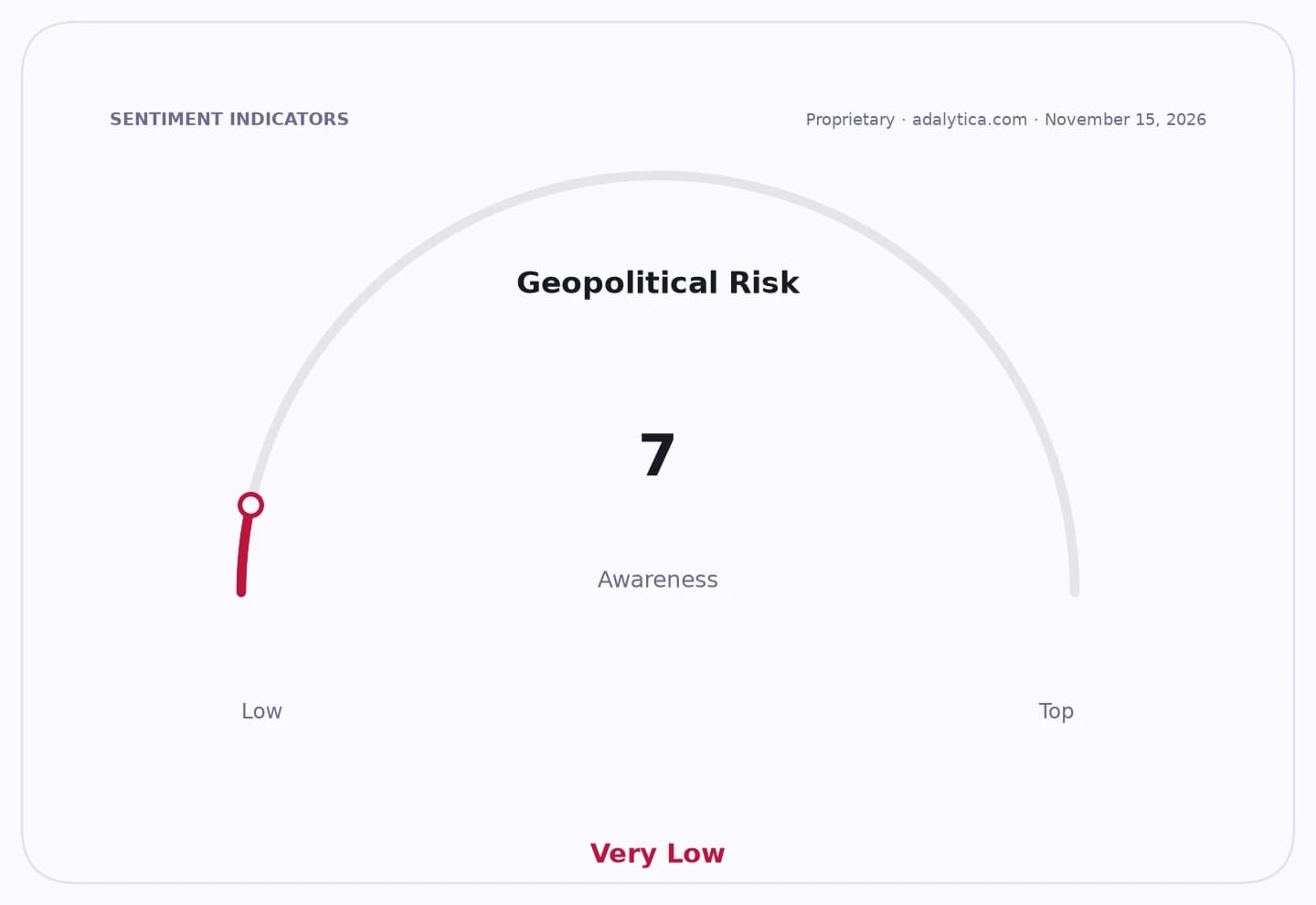
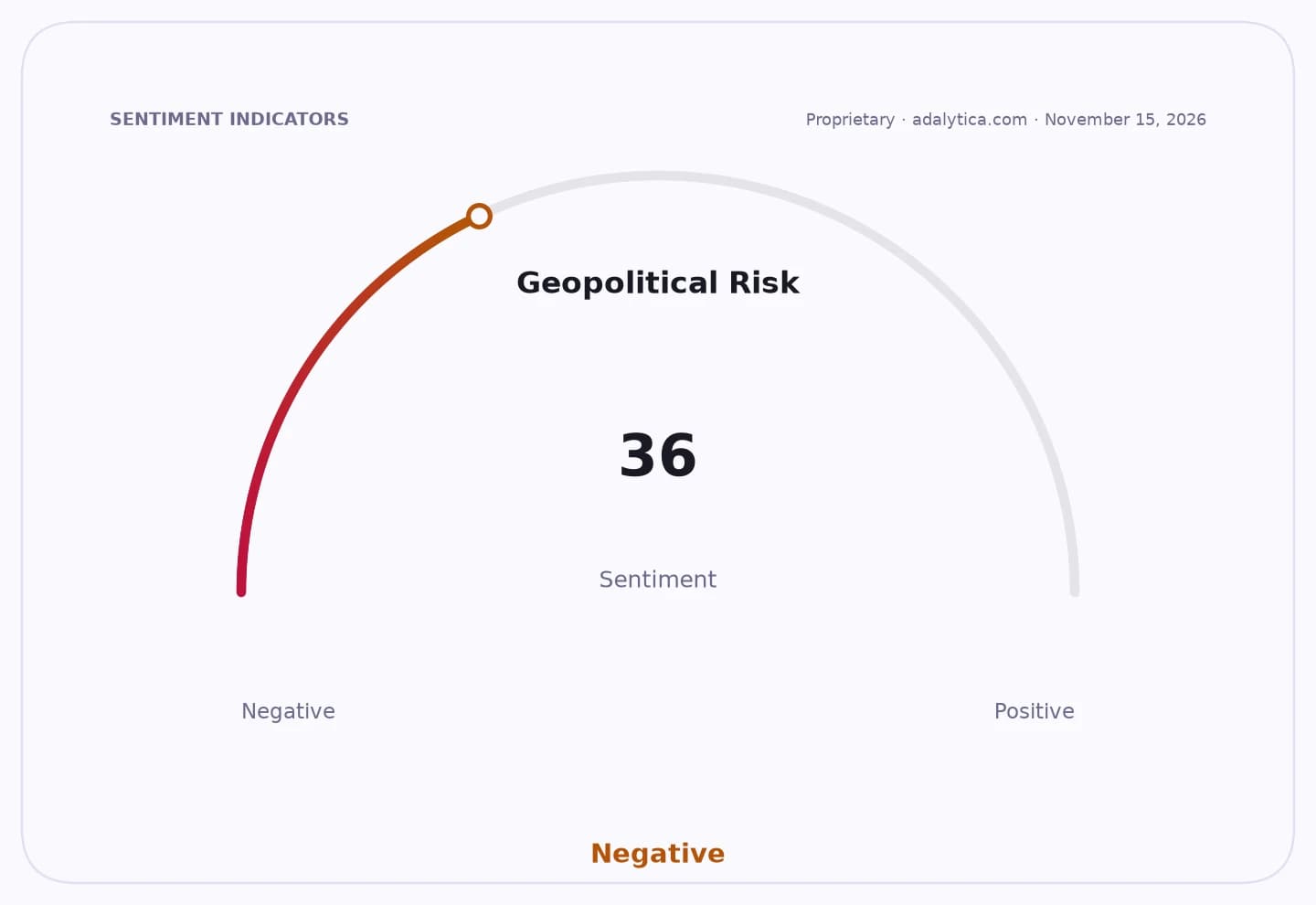
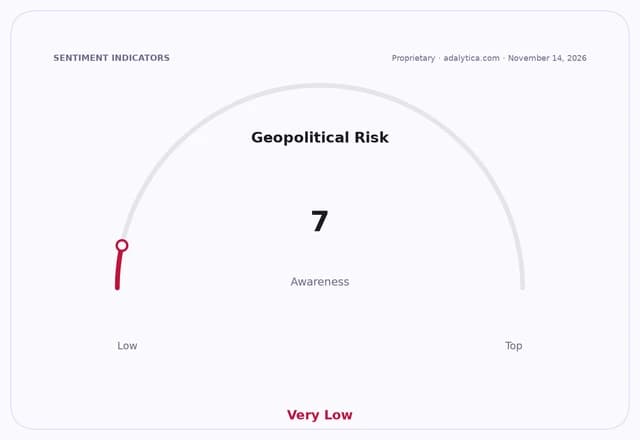
Sentiment Indicators
According to Chinese state-linked reporting, the GJ-21 is designed for reconnaissance and attack, with a flying-wing, tailless profile and an upper S-shaped inlet intended to reduce radar returns. Beijing says it can carry out strikes against hardened targets and air-defense systems, while also operating alongside manned aircraft in high-risk missions. That combination is the real strategic shift: it suggests China is building a layered maritime air package in which drones can go first, absorb risk and open corridors for other aircraft.
The Sichuan itself is a signal. As China’s first Type 076 amphibious assault ship, it is equipped with electromagnetic launch and recovery systems, an automated landing-control setup and a new integrated power system. In practical terms, that means Beijing is not just testing a drone on a ship — it is testing a new operating concept that blends amphibious assault, carrier-style aviation and unmanned warfare. For investors, that points to a longer runway for defense spending on sensors, command-and-control, naval aviation systems and counter-drone technology across the region.
The market implication is straightforward: the next phase of military competition is not only about more ships or more fighters, but about distributed, unmanned and increasingly stealthy launch systems. That is bullish for defense primes exposed to naval modernization, electronic warfare, missile defense and maritime surveillance, and it raises the stakes for companies positioned around counter-stealth detection and interception. Lockheed Martin, Northrop Grumman and RTX remain the obvious beneficiaries of a world where peer competition is pushing governments to buy more air-defense and sensing capacity, while shipbuilders and naval systems suppliers could see follow-on demand as navies respond to China’s expansion.
The broader backdrop is a deteriorating geopolitical climate. Adalytica’s US-China Relations Sentiment gauge is in “Extreme Fear,” while global stability sentiment has weakened, underscoring how quickly military technology milestones can translate into procurement urgency and higher threat perception. For investors, the lesson is that stealth drones are no longer a niche experiment — they are becoming a core feature of future naval warfare, and the companies that enable detection, defense and maritime strike infrastructure may still be underappreciated.
| Entity | Gains | Losses |
|---|---|---|
| China / PLA Navy | ▲More strike reach | ▼More strategic scrutiny |
| Lockheed Martin, Northrop Grumman, RTX | ▲Higher defense demand | ▼Lower urgency if tensions ease |
| U.S. and allies | ▲Faster rearmament budgets | ▼Greater exposure to stealth threats |
| Counter-drone and naval sensor firms | ▲Bigger procurement pipeline | ▼Slower adoption cycles elsewhere |