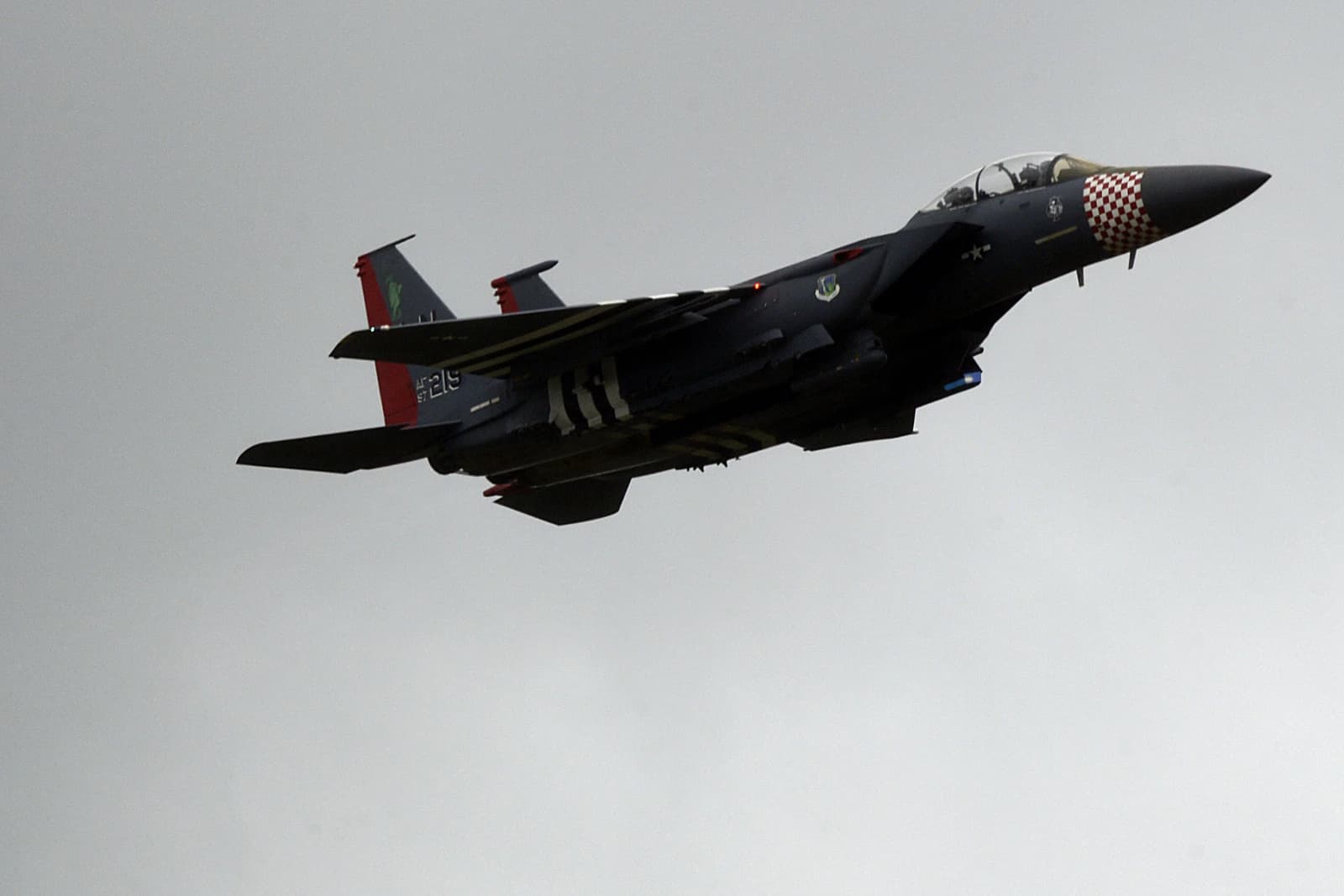
The U.S. approval of a $686 million modernization package for Pakistan’s F-16 fleet matters because it reinforces a security relationship Washington says is limited to maintenance and interoperability, but which India sees as a potential shift in the military balance and in the handling of sensitive American technology in South Asia.
U.S. Approves $686M Pakistan F-16 Modernization
For investors, the deal is more important as a reminder that geopolitical risk is still driving demand for Western defense systems, software and sustainment work even when a package is framed as non-offensive. The contract is slated to go to Lockheed Martin, the F-16 manufacturer, and includes avionics, communications, cryptology, precision navigation, training and logistics support — the kind of upgrade set that tends to favor long-cycle defense revenue rather than one-off aircraft sales.
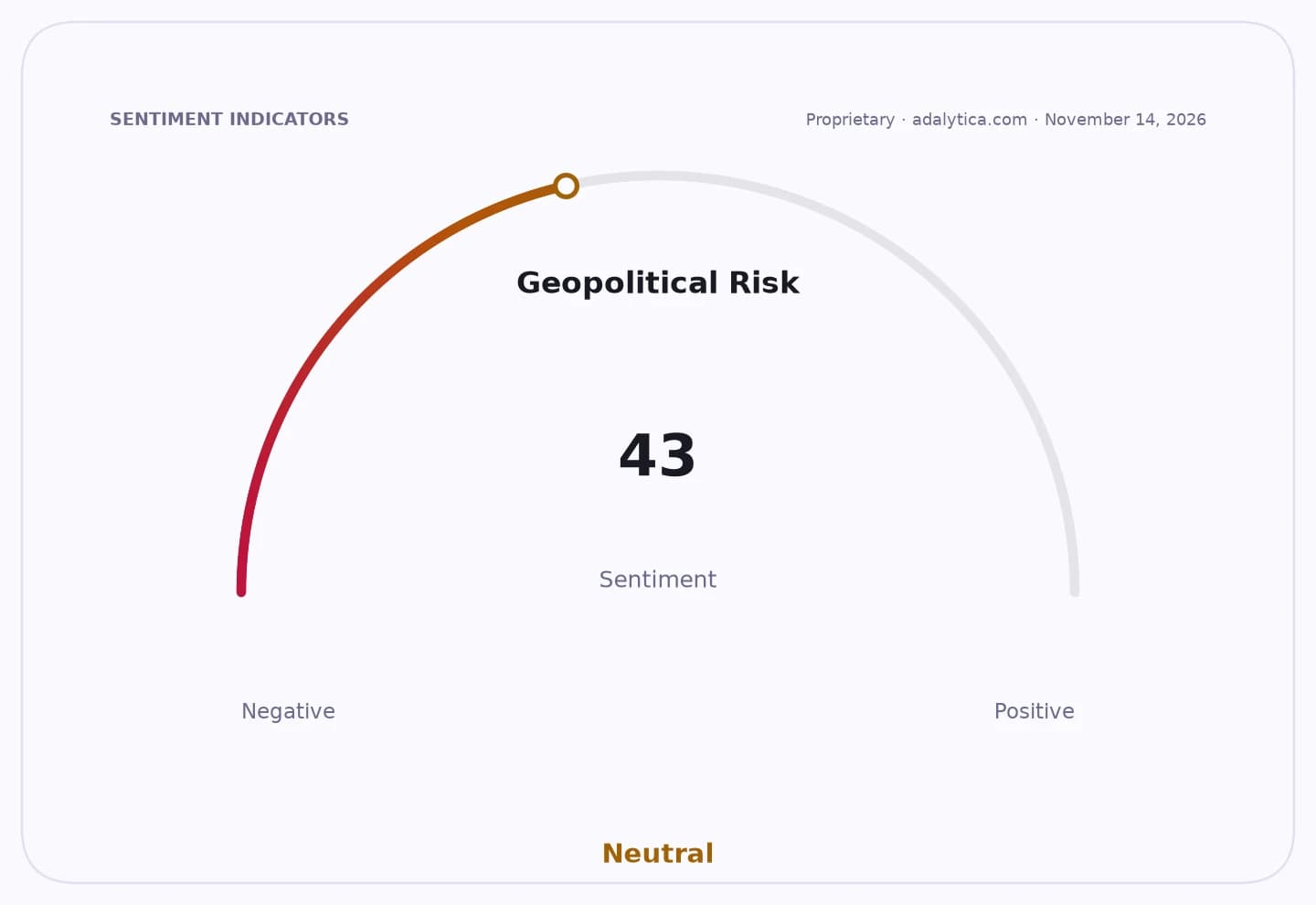
Sentiment Indicators
India’s objections are rooted in two concerns that have repeatedly shaped its response to U.S.-Pakistan defense ties: first, that enhanced command, navigation and data-link capability could improve Pakistan’s air force readiness; and second, that U.S. technology could be exposed to third parties through Pakistan’s defense cooperation with China. Those worries carry weight in New Delhi because even a maintenance package can improve survivability, coordination and mission effectiveness in a crisis.
Washington, meanwhile, says the package will keep Pakistan’s existing fleet operational through 2040 and does not alter the regional military balance. It also argues the sale supports flight safety and interoperability with U.S. and partner forces, and that it falls under the normal arms-export review process rather than signaling a new combat platform transfer. That distinction matters: the package does not include nuclear weapons, but in a nuclear-armed state any upgrade to aircraft systems inevitably invites scrutiny over potential dual-use implications.
The timing is politically delicate. The U.S. has been deepening defense ties with India, including technology sharing and military coordination, even as it preserves a working security channel with Pakistan. That balancing act has long been part of Washington’s South Asia policy, but the optics are worsening as regional tensions remain elevated and defense planners in New Delhi continue to watch any improvement in Pakistan’s air capabilities closely.
For defense contractors, the broader message is supportive. Global instability from Europe to the Middle East and Asia is sustaining demand for upgrades, sustainment and interoperability packages, which often carry better margin visibility than new-build programs. Lockheed Martin stands to benefit directly if the package proceeds, while the controversy underscores how U.S. export approvals can become part of the competitive and diplomatic environment around defense spending.
The key watchpoint is whether the approval feeds into a broader debate in Washington over how far to extend military assistance to Pakistan while strategic ties with India deepen. If the package proceeds smoothly, it will likely be viewed as a contained sustainment sale. If the political pushback intensifies, it could complicate future defense authorizations and add another layer of uncertainty to already sensitive U.S. arms sales in South Asia.
| Entity | Gains | Losses |
|---|---|---|
| Lockheed Martin | ▲F-16 sustainment revenue | ▼Higher political scrutiny |
| Pakistan Air Force | ▲Fleet readiness to 2040 | ▼Dependence on U.S. parts and support |
| United States | ▲Regional defense leverage | ▼Strained balance with India |
| India | ▲None | ▼Security concern and diplomatic friction |