China is moving rapidly toward completing the world’s largest nuclear-powered aircraft carrier, a milestone that would deepen Beijing’s challenge to U.S. maritime dominance and widen the strategic gap in the Western Pacific.
China nuclear carrier nears completion at Dalian
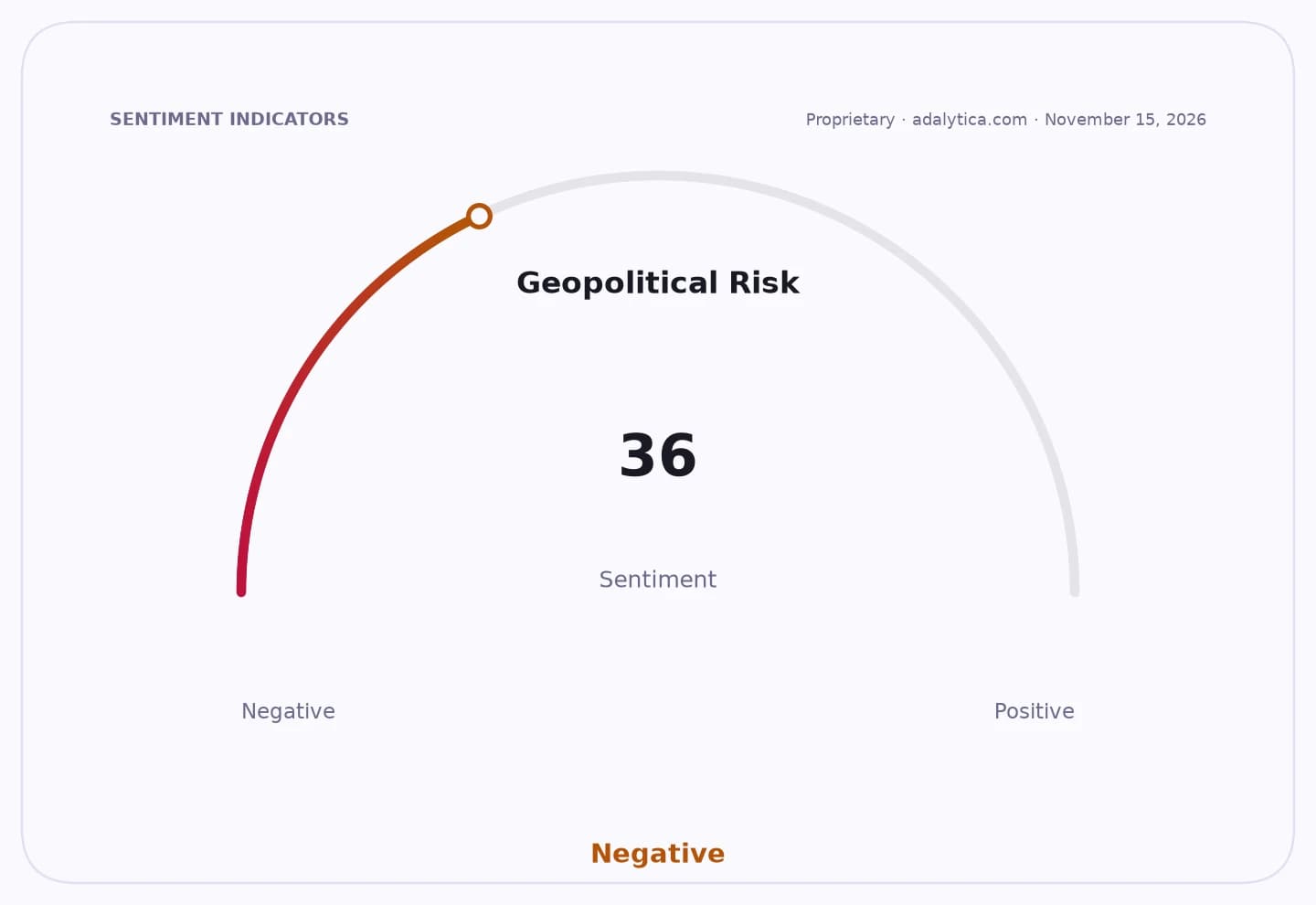
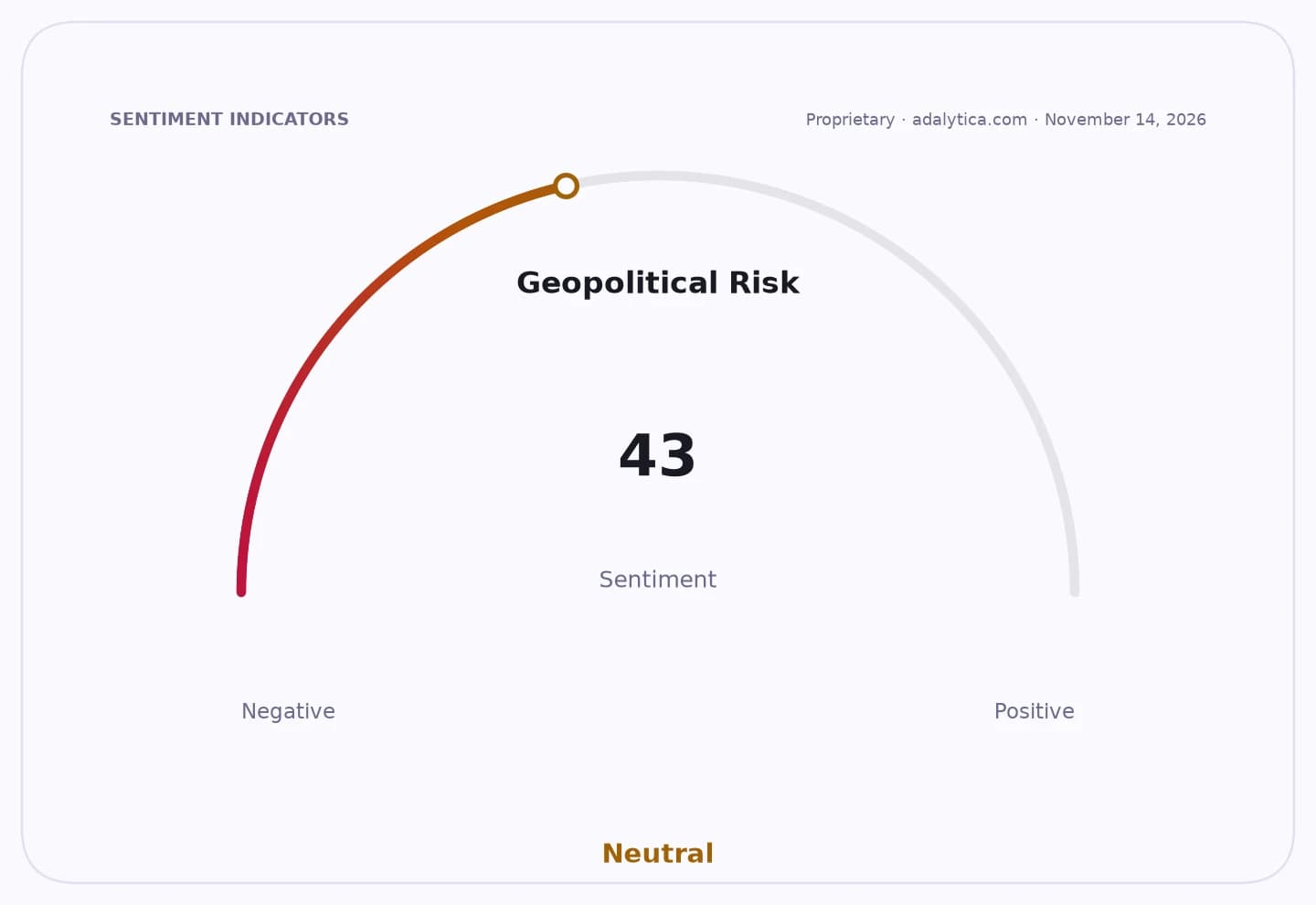
Geopolitical Risk
Satellite images from the Dalian shipyard in northeast China indicate construction of the vessel accelerated after hull sections appeared in early 2025, with the ship now approaching the size of the U.S. Navy’s biggest carriers and a possible launch as early as 2027. The carrier is already estimated at about 322 meters long and 46 meters wide at its broadest point, while later assessments from Janes put its final hull length at 336 to 339 meters. That would put it in the same class as, and potentially longer than, the U.S. Navy’s Nimitz- and Gerald Ford-class carriers.
Sentiment Indicators
The economic significance is less about a single ship than the industrial capacity behind it. A nuclear carrier is one of the most demanding platforms in modern defense manufacturing, requiring advanced shipbuilding, reactor integration, carrier air wing training and a large maintenance ecosystem. If China can deliver a vessel of this scale on schedule, it will underscore the maturity of its naval industrial base and its ability to sustain more complex platforms in parallel.
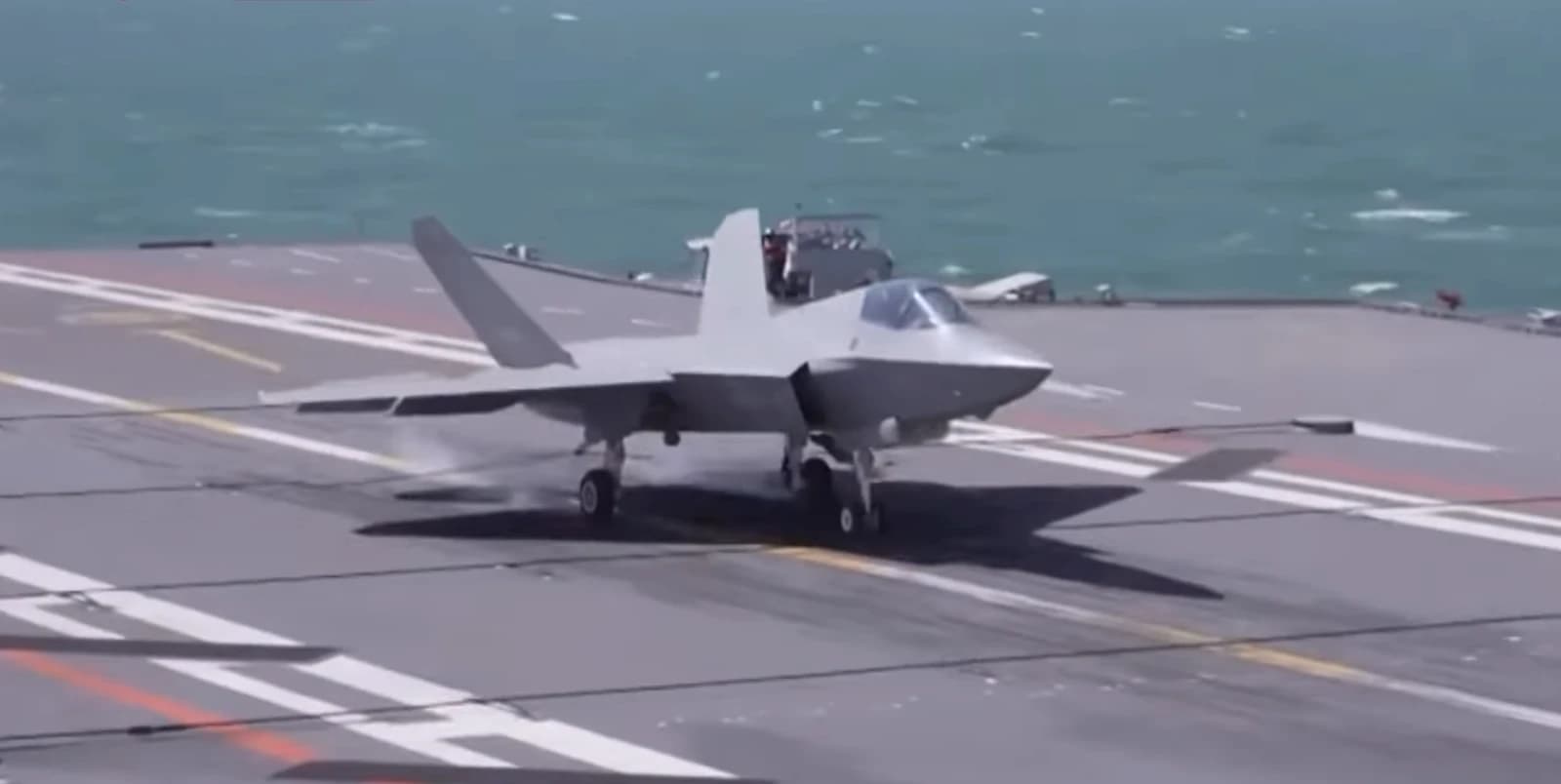
That matters because Beijing’s carrier program is no longer experimental. The Fujian, China’s first domestically built supercarrier, entered service on Nov. 5, giving the navy experience with catapult launch operations and modern fixed-wing aviation at sea. The new nuclear carrier would extend that learning curve and give China longer endurance, greater sortie capacity and more room for aviation fuel, weapons and maintenance facilities than conventionally powered ships.
The Pentagon has said China aims to field six carriers capable of operating fixed-wing manned aircraft by 2035, which would take the fleet from three today to nine. If achieved, that would give China the largest carrier force in the world, while the U.S. Navy faces its own constraints from aging vessels and readiness pressures. For investors, the implication is a prolonged rearmament cycle in Asia that should continue to support defense spending, shipbuilding demand and missile-defense outlays across the region.
The development also points to shifting expectations for the U.S. defense industry. Investors have already priced in a strong procurement backdrop for major contractors such as Lockheed Martin, Northrop Grumman and Huntington Ingalls Industries, but the carrier buildout in China reinforces the strategic case for long-cycle naval and aerospace spending. Technical readings on those stocks show that share prices have remained elevated even after recent volatility, reflecting confidence that defense budgets will stay firm despite broader market swings.
At the same time, China’s ambitions come with execution risks. Building multiple large carriers at once would strain shipyard capacity, skilled labor and the training pipeline for air crews and maintenance personnel. Nuclear propulsion would add another layer of complexity, particularly if Beijing wants to field several such vessels by the mid-2030s. The larger the fleet gets, the more difficult it becomes to match platforms with doctrine, logistics and sustained operational readiness.
For regional security, the message is sharper: China is not only expanding its naval footprint, but also moving toward a more survivable, more persistent carrier force that can project power farther from its coast. That raises pressure on U.S. allies and partners in Asia to invest in anti-ship missiles, air defenses and maritime surveillance, even as diplomatic efforts continue to manage tensions in the South China Sea.
| Entity | Gains | Losses |
|---|---|---|
| China / PLA Navy | ▲Greater blue-water reach | ▼Higher shipbuilding strain |
| U.S. Navy | ▲Pressure to modernize fleet | ▼Carrier dominance erodes |
| Defense contractors | ▲Sustained procurement demand | ▼Budget uncertainty eases less |
| Regional rivals | ▲More urgency for defenses | ▼More maritime pressure |