Russia is trying to push back against mounting alarm in Europe just as military pressure on the continent’s eastern flank and defense spending fears are keeping investors on edge.
Russia Denies Plans to Attack Europe
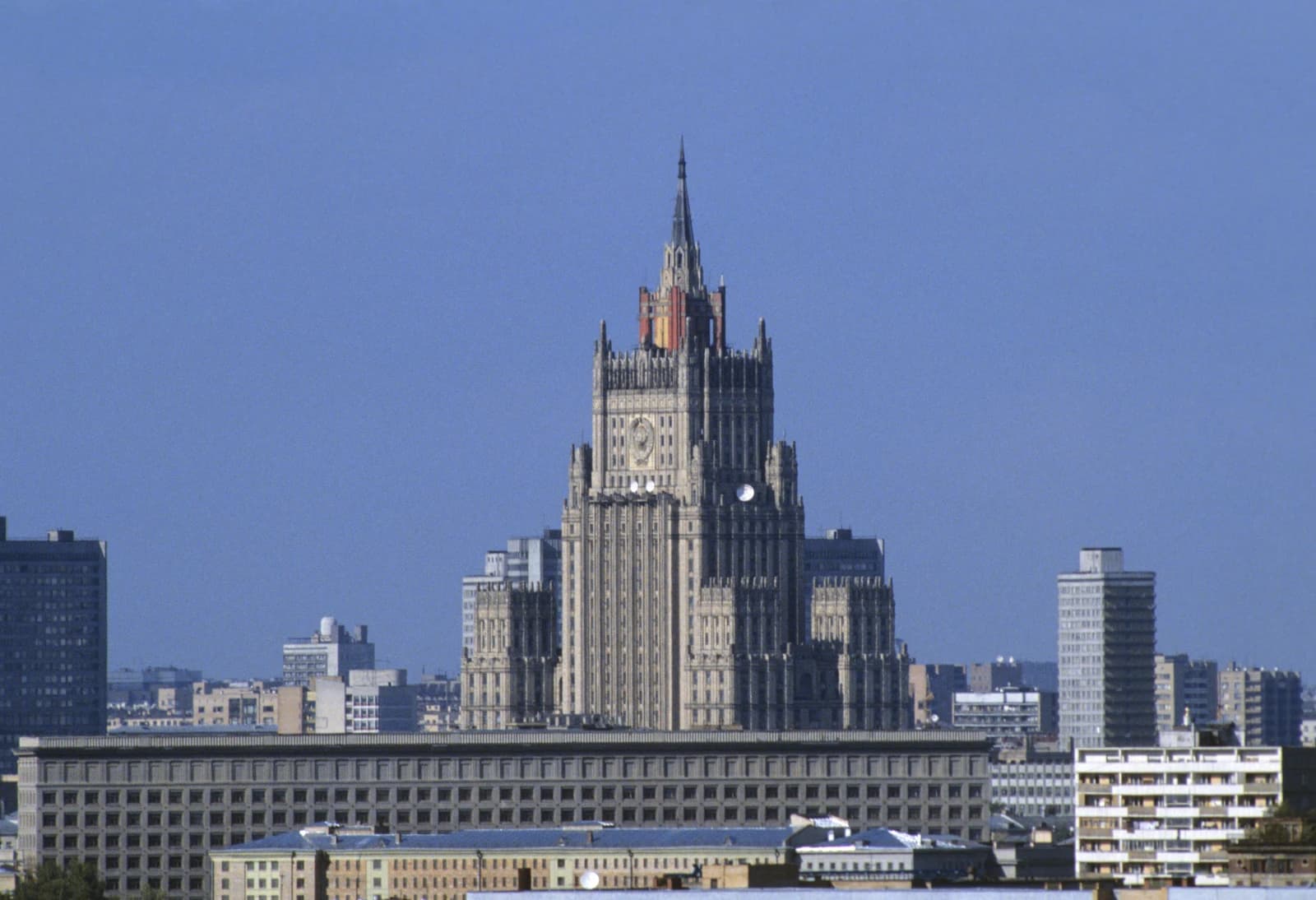
Deputy Foreign Minister Sergei Ryabkov said Moscow has “no intentions, no plans and no reasons” to attack European countries, a message delivered at an OSCE roundtable on the militarization of Europe. The statement matters less as a policy shift than as an attempt to shape expectations amid a deteriorating security backdrop, where NATO members are reinforcing borders and markets are pricing a wider geopolitical risk premium.
Sentiment Indicators
The economic relevance of that rhetoric is increasingly clear. Europe’s defense buildout is being driven by the prospect of a prolonged confrontation with Russia, with governments accelerating fortifications and procurement while the region absorbs higher security and energy costs. For investors, that has helped sustain demand for defense contractors and kept a floor under geopolitical hedges, even as risk sentiment swings with each escalation or diplomatic gesture.
The market reaction has been mixed but telling. Shares of Lockheed Martin, Northrop Grumman and RTX have all remained near elevated levels despite sharp trading volatility this year, reflecting expectations that NATO rearmament, missile-defense spending and replenishment orders will continue to support revenues. Lockheed has traded as high as $668.17 this year and Northrop reached $761.19 before pulling back, while RTX touched $225.49 in August. Recent prices show the sector still holding well above many of its year-ago levels, underscoring how much of the investment case rests on sustained geopolitical tension rather than a quick normalization.
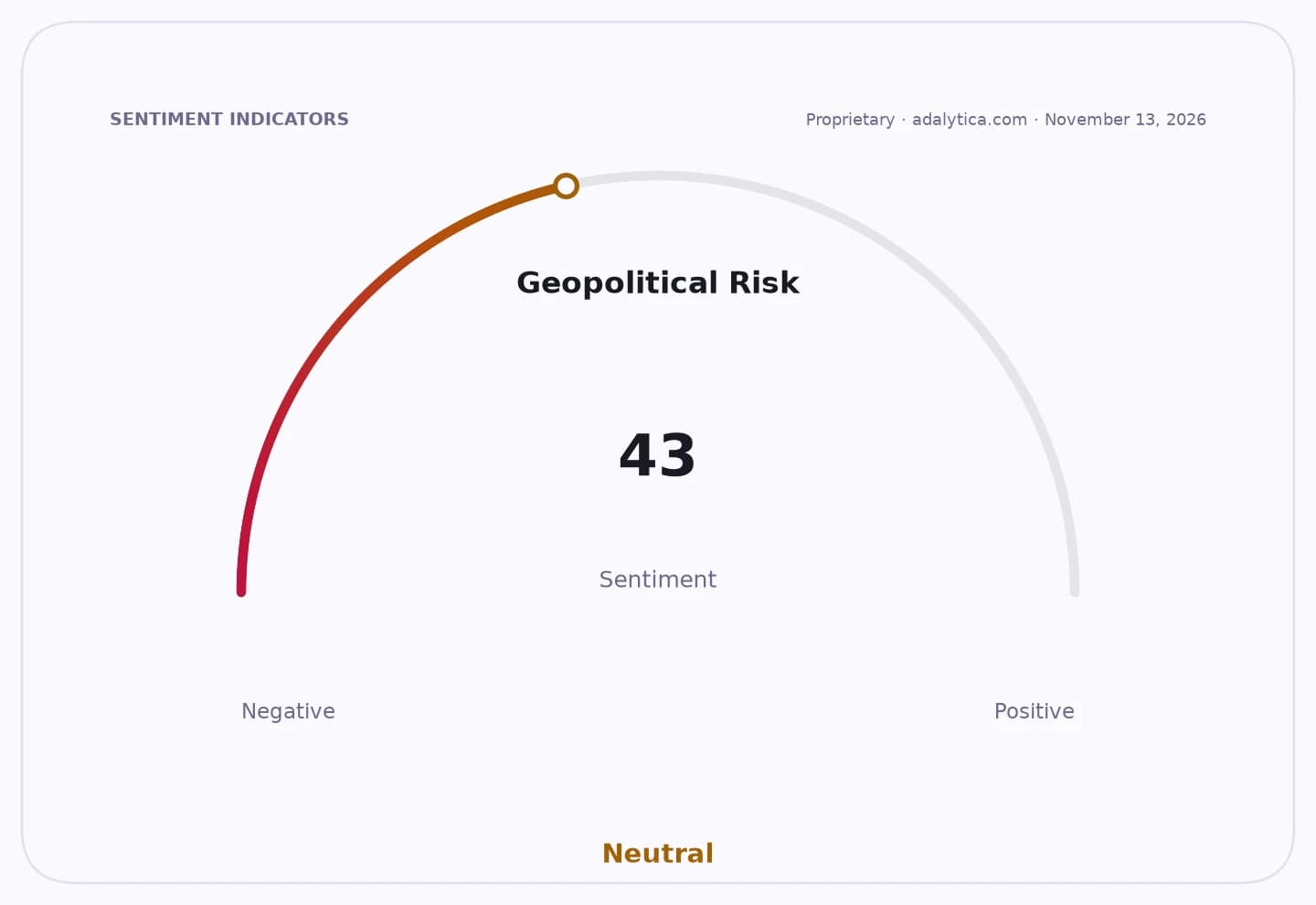
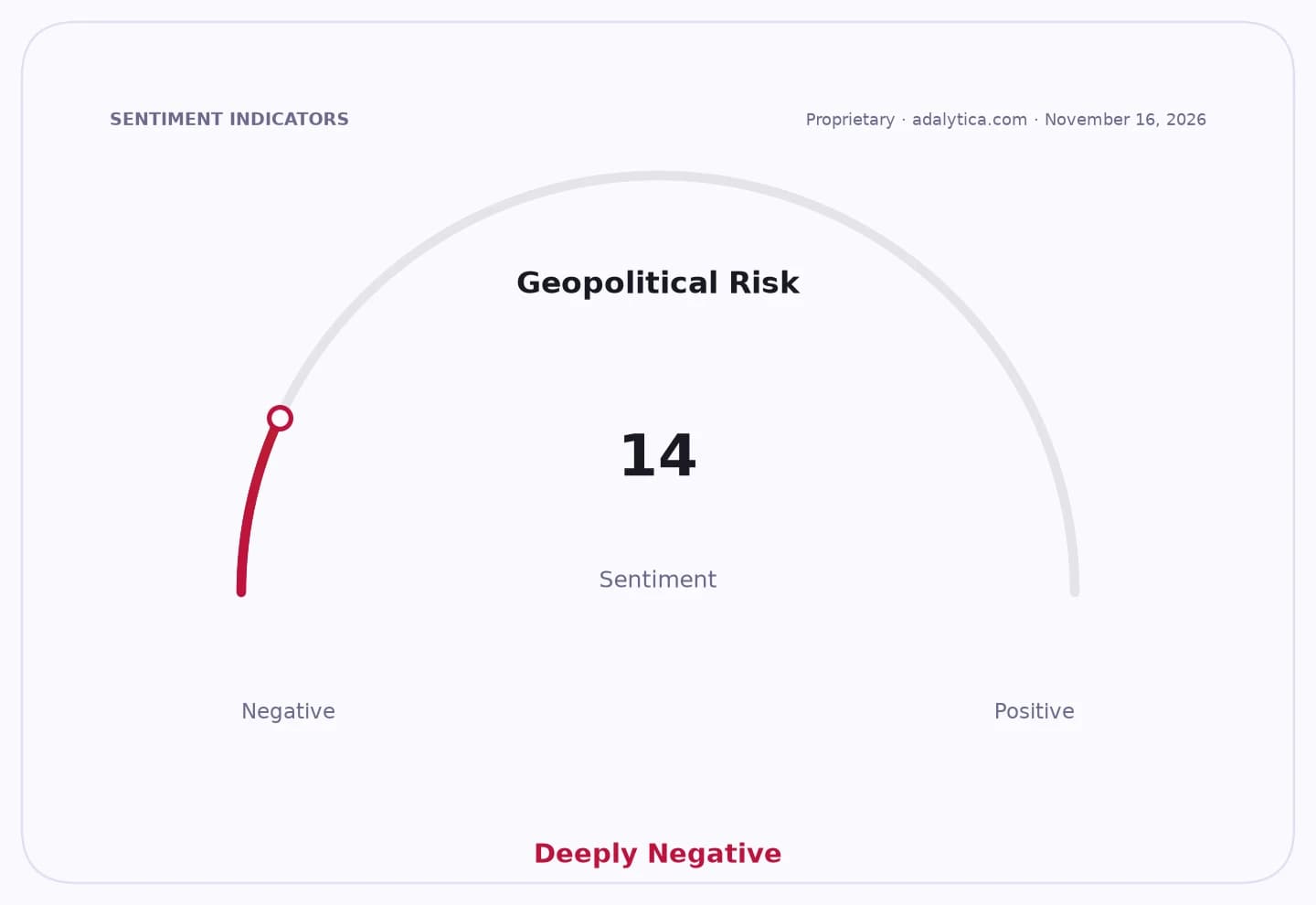
Geopolitical Risk — 30-day sentimentadalytica.com
Explore this data interactively — full history, time series and cross-market comparisons.
That tension is also feeding into broader macro pricing. WTI crude has been volatile, with recent readings around $89.62 and a forecast of $87.53, while high-yield credit spreads have widened to 3.20 percentage points, suggesting markets remain sensitive to geopolitical shocks even as risk appetite has not fully broken down. Ten-year Treasury yields, meanwhile, have climbed to 5.10%, reinforcing the cost of capital backdrop facing governments and companies alike.
For defense contractors, the environment remains supportive. Lockheed said in a recent filing that it had entered multi-year contracts with the U.S. Defense Department to increase production and accelerate deliveries of PAC-3 MSE and THAAD systems, programs directly tied to missile-defense demand. Northrop and RTX have also pointed in their filings to heightened tensions in Europe, the Middle East and the Pacific as structural support for security spending.
The bull case for investors is straightforward: even if Moscow is signaling restraint, Europe is behaving as though the risk of broader confrontation is persistent, and procurement budgets tend to lag politics rather than lead it. The bear case is that any credible de-escalation could trim the urgency premium embedded in defense names and pressure oil and other safe-haven trades. For now, Ryabkov’s denial is best read as a diplomatic bid to cool fears, not as evidence that Europe’s security risk premium is going away.
| Entity | Gains | Losses |
|---|---|---|
| Russian government | ▲Diplomatic room | ▼Credibility in Europe |
| NATO/EU defense planners | ▲Budget support | ▼Higher security costs |
| Lockheed Martin, Northrop, RTX | ▲Procurement demand | ▼De-escalation risk |
| Oil and risk-hedge traders | ▲Geopolitical premium | ▼Lower shock pricing |