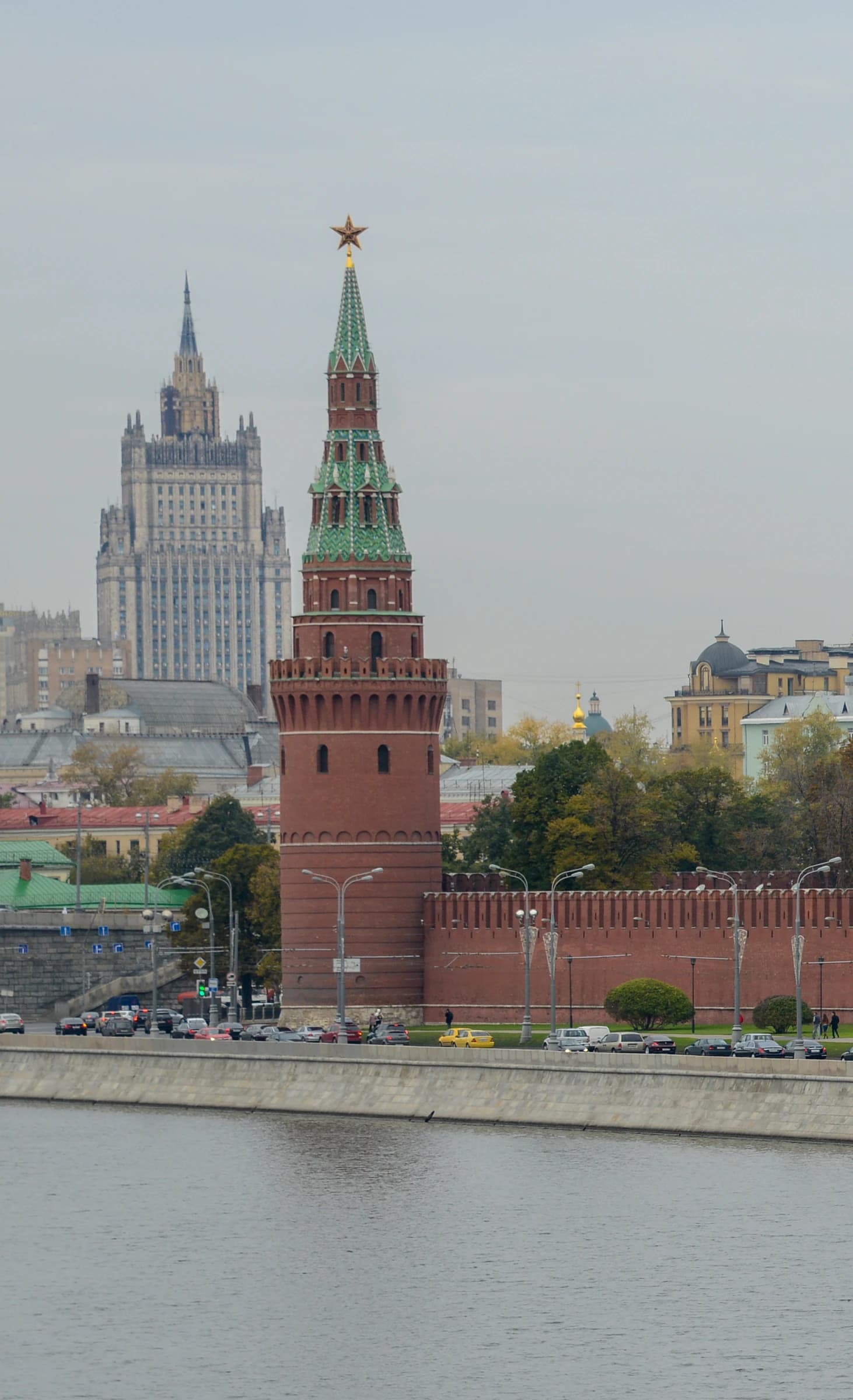
Russia’s warning that any foreign military units deployed in Ukraine would be treated as legitimate targets raises the odds that the war stays a live geopolitical risk for markets, even as diplomats prepare for another round of talks.
Russia warns foreign troops in Ukraine are targets
That matters because the comment effectively draws a red line against any multinational force inside Ukraine, hardening the negotiating backdrop just as Europe weighs deeper involvement and Washington’s allies try to keep support flowing without triggering a wider confrontation. For investors, the message is clear: the ceasefire trade remains fragile, defense spending is unlikely to fade soon, and every new escalation keeps pressure on global risk sentiment.
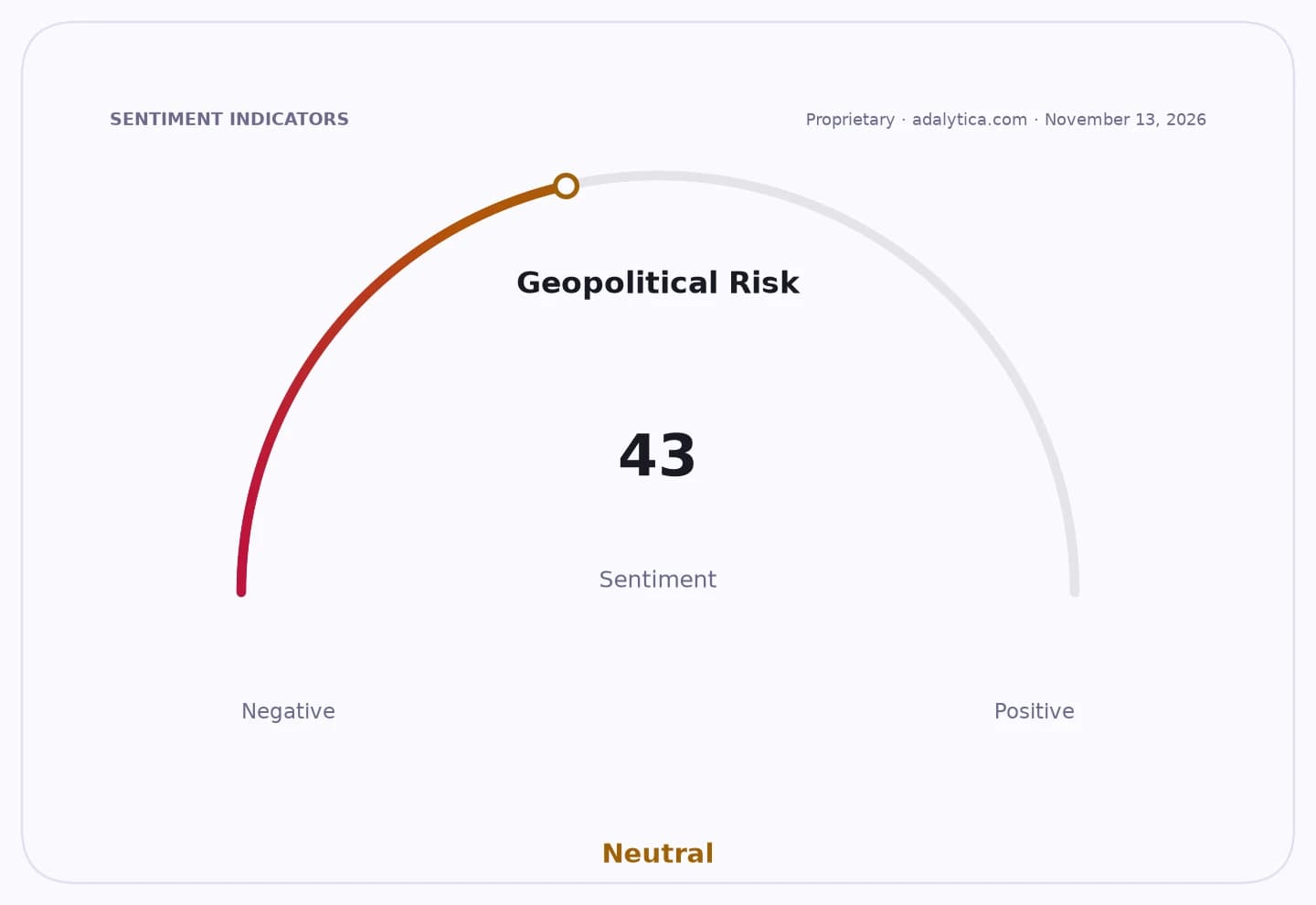
Sentiment Indicators
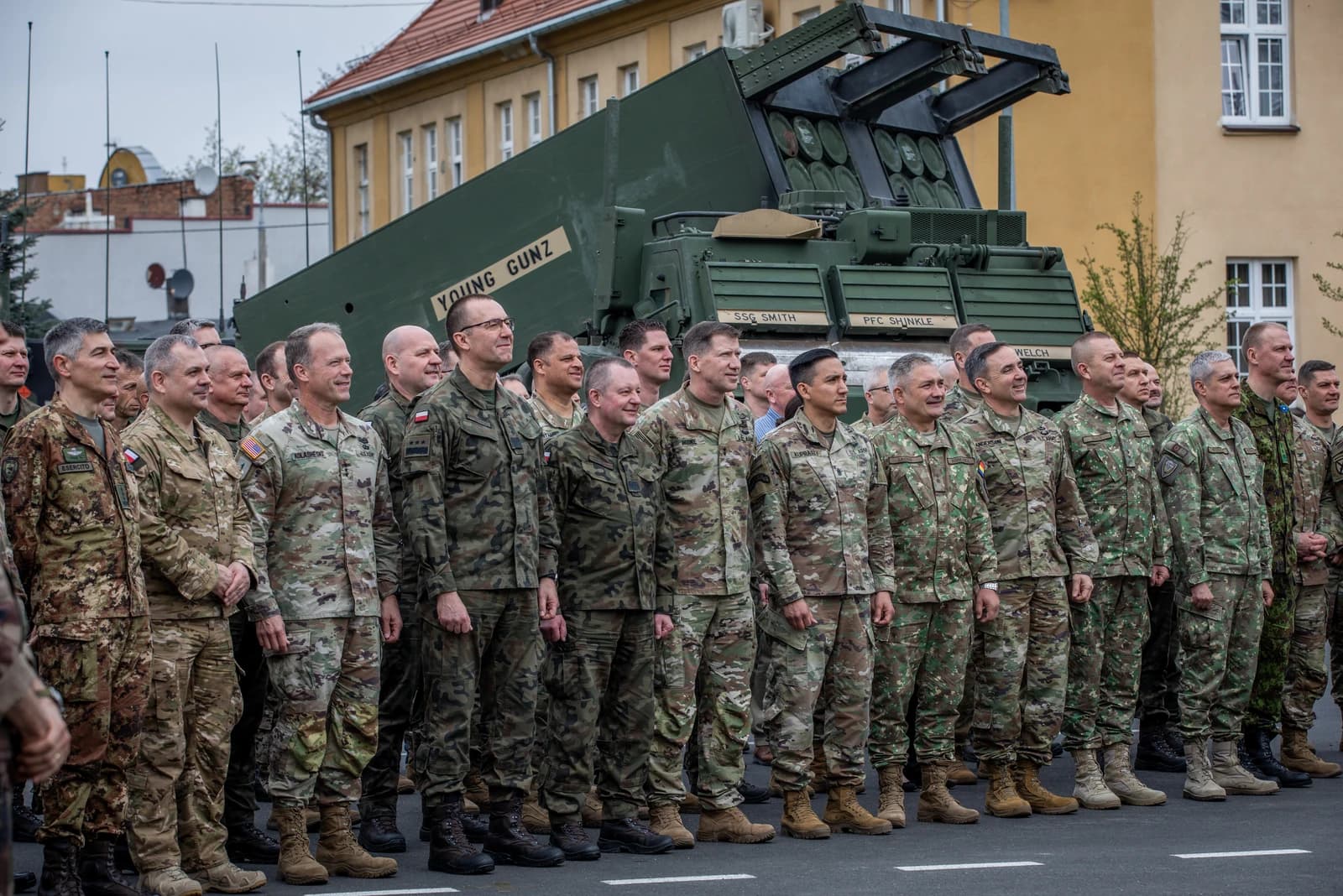
Maria Zakharova, the Russian Foreign Ministry spokesperson, said Moscow would consider foreign contingents in Ukraine “categorically unacceptable,” including any force assembled under a so-called Coalition of the Willing. Her warning was aimed at planned multinational exercises in Ukraine later this month and came as Russia and Ukraine prepare to resume consultations in Abu Dhabi. By linking the drills to diplomacy, Moscow is signaling that military support for Kyiv and peace talks are now moving on parallel tracks, not converging ones.
The economic significance is straightforward. The longer the war drags on, the more Europe is forced to absorb higher defense budgets, energy insecurity and logistics disruption, while Russia continues to face sanctions and military attrition. Geopolitical risk also feeds into broader market pricing: a sharper conflict can unsettle credit, lift safe-haven demand and keep pressure on industries exposed to supply chains, commodities and defense procurement cycles.
Geopolitical Risk — 30-day sentimentadalytica.com
Explore this data interactively — full history, time series and cross-market comparisons.
That is why defense names remain the clearest trade in this environment. Lockheed Martin, Northrop Grumman and RTX have already been benefiting from the multi-year rearmament cycle, and the latest rhetoric only strengthens the case that Western governments will keep spending to replenish stocks, harden air defenses and accelerate missile production. Lockheed’s shares have climbed back above its 50-day and 200-day moving averages after a volatile stretch, while Northrop and RTX have also stabilized after sharp swings earlier this year, suggesting investors still want exposure to the sector’s backlog and cash-flow visibility.
The broader narrative is that the market continues to underestimate how durable war-related capex has become. Even if peace talks advance, Europe’s defense rearmament, missile inventories and air-defense upgrades are not going away. If talks fail, the upside for contractors is even clearer. Either way, the geopolitical premium is still alive, and investors looking for asymmetric opportunities should keep defense primes and their suppliers at the top of the list.
| Entity | Gains | Losses |
|---|---|---|
| Lockheed Martin, Northrop Grumman, RTX | ▲higher defense spending | ▼peace-deal optimism |
| Europe/NATO defense budgets | ▲rearmament urgency | ▼fiscal flexibility |
| Russia | ▲leverage in talks | ▼diplomatic isolation |
| Risk assets | ▲none | ▼escalation premium |