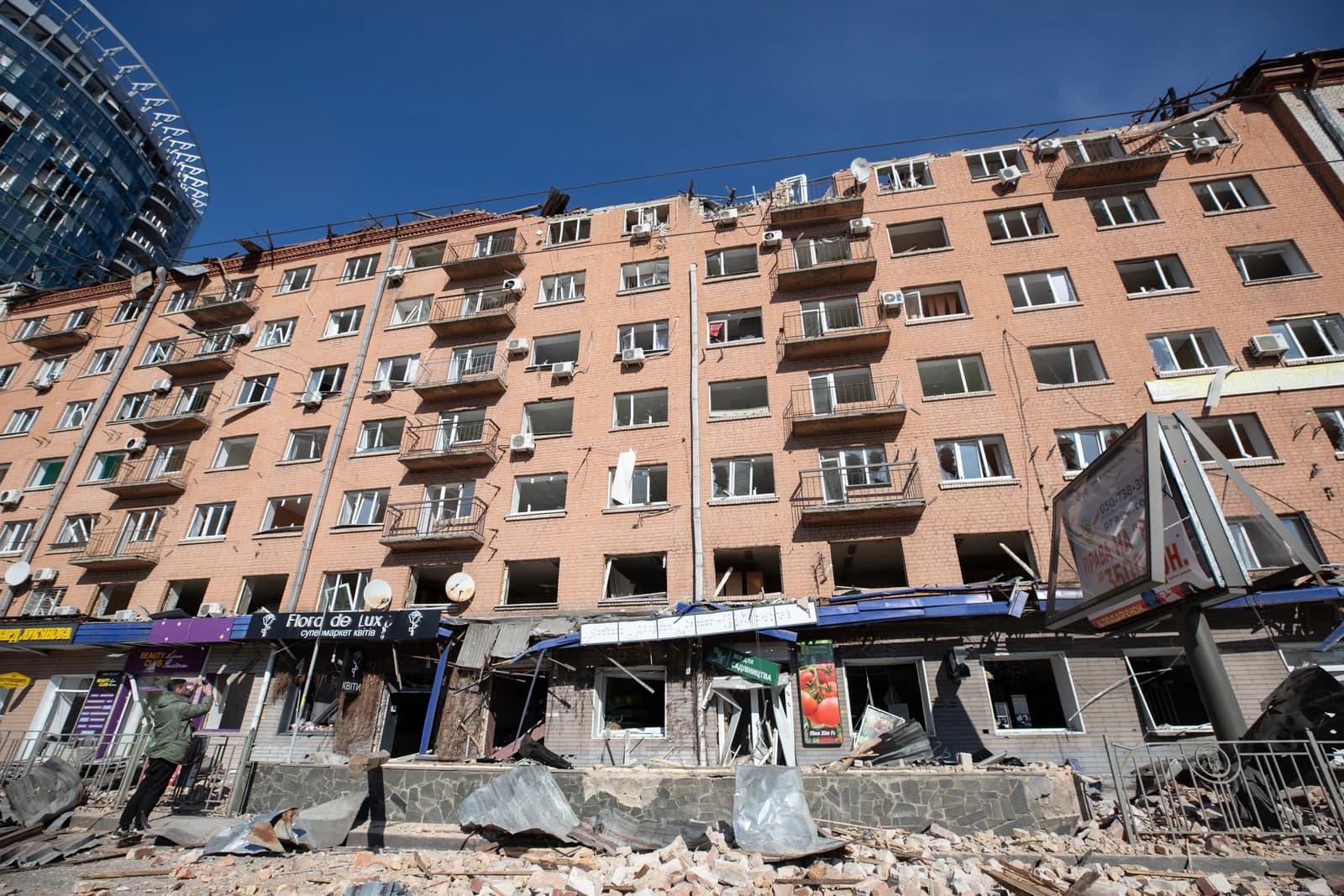
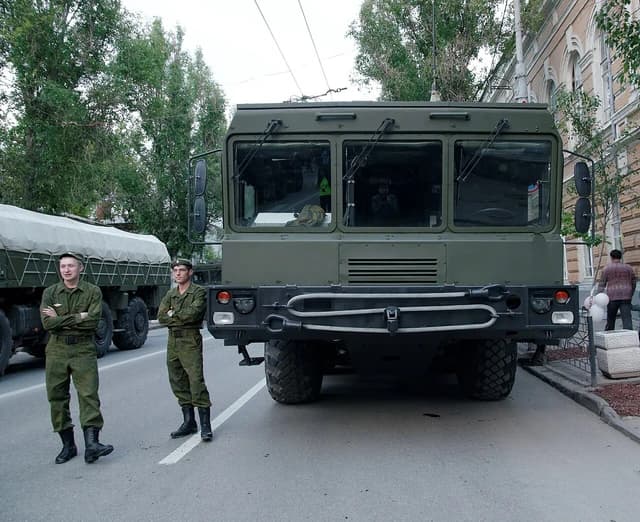
Leaked documents showing Russia plans to supply Iran with 90 guided missile launch platforms point to a deeper military partnership that could harden the Middle East security environment and prolong the demand cycle for missile defense systems.
Russia Iran Missile Launch Platforms Lift Defense Demand
The transfer matters because it would give Tehran a more survivable and more accurate strike posture at a moment when Washington and its allies are trying to contain Iran’s missile reach through sanctions, export controls and military pressure. Even after U.S. strikes and years of restrictions, Iran still retains a large missile inventory, and any Russian support that improves launch capacity or targeting would complicate deterrence calculations for Israel, Gulf states and U.S. forces in the region.
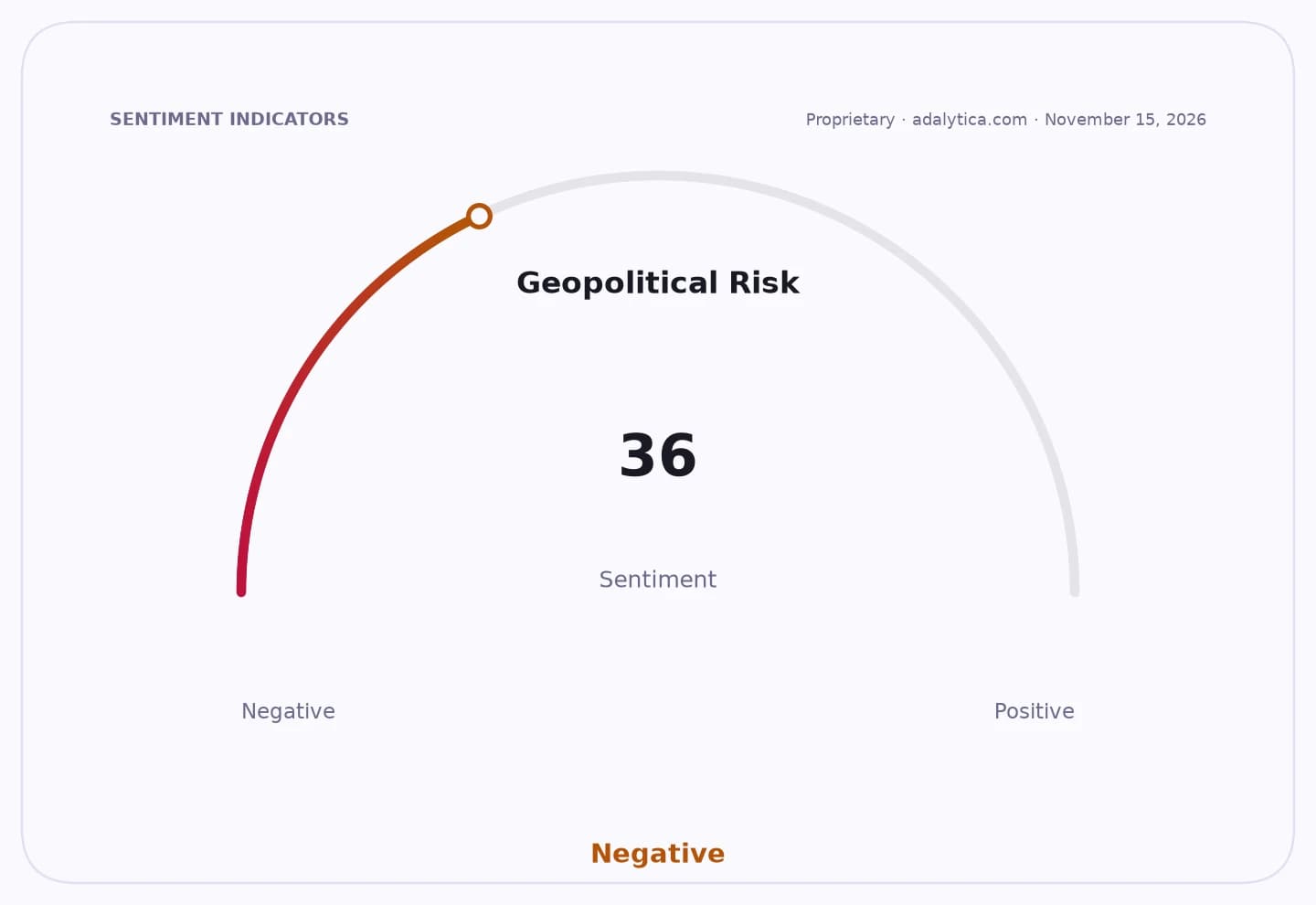
Sentiment Indicators

For investors, the immediate read-through is not on the Iranian side of the ledger but on defense names tied to missile interception, sensors and integrated air defense. Lockheed Martin, RTX and Northrop Grumman have all flagged heightened demand linked to conflicts in Ukraine and the Middle East, and their recent filings show the backdrop is still supporting procurement. Lockheed has entered multi-year contracts to raise production and speed delivery for the Patriot PAC-3 MSE and THAAD programs. RTX has disclosed large awards for Patriot GEM-T interceptors, SM-3 missiles and NASAMS sustainment. Northrop has said the overall threat environment is lifting demand, particularly in Europe.
The market has already priced in some of that security premium. Lockheed shares were trading around $596.04 on the latest close, below their recent peak but still well above the spring lows, with the 50-day moving average near $553.54. RTX was at $198.58, holding close to its 50-day moving average and above its 200-day trend, while Northrop closed at $550.43, roughly in line with its 50-day average but still below its 200-day level of about $581.24. The technicals suggest investors are not abandoning the defense trade, but neither are they extrapolating unlimited upside without new contract awards or escalation.
Geopolitical Risk vs LMTadalytica.com
Explore this data interactively — full history, time series and cross-market comparisons.
That is the central tension for the sector: geopolitics keeps improving the strategic backdrop, but valuations now depend on whether governments convert threat rhetoric into procurement. A further deterioration in Iran-related tensions would likely reinforce orders for interceptors, launch systems and surveillance networks, benefiting U.S. primes with missile-defense exposure. The bear case is that talks, sanctions enforcement or regional de-escalation slow the urgency of new spending before it becomes embedded in budgets.
The leaked transfer also underscores how Russia and Iran are knitting together a military relationship that widens the gap between sanctions policy and battlefield reality. For investors, that makes defense spending less cyclical than before and keeps missile defense, ammunition replenishment and integrated air systems near the top of the procurement queue.
| Entity | Gains | Losses |
|---|---|---|
| Lockheed Martin | ▲Patriot/THAAD demand | ▼Budget uncertainty |
| RTX | ▲Missile interceptor orders | ▼Margin pressure from capacity build |
| Northrop Grumman | ▲Air defense spending | ▼Delayed procurement cycles |
| Iran-Russia axis | ▲Strike capability | ▼Western sanctions pressure |