Europe is finally spending like a continent that expects trouble, but the harder challenge is not building tanks and missiles for a conventional war — it is learning how to defend itself against the sabotage, drones and cyberattacks Russia is already using.
Europe Defense Spending Rises on Sabotage Threats
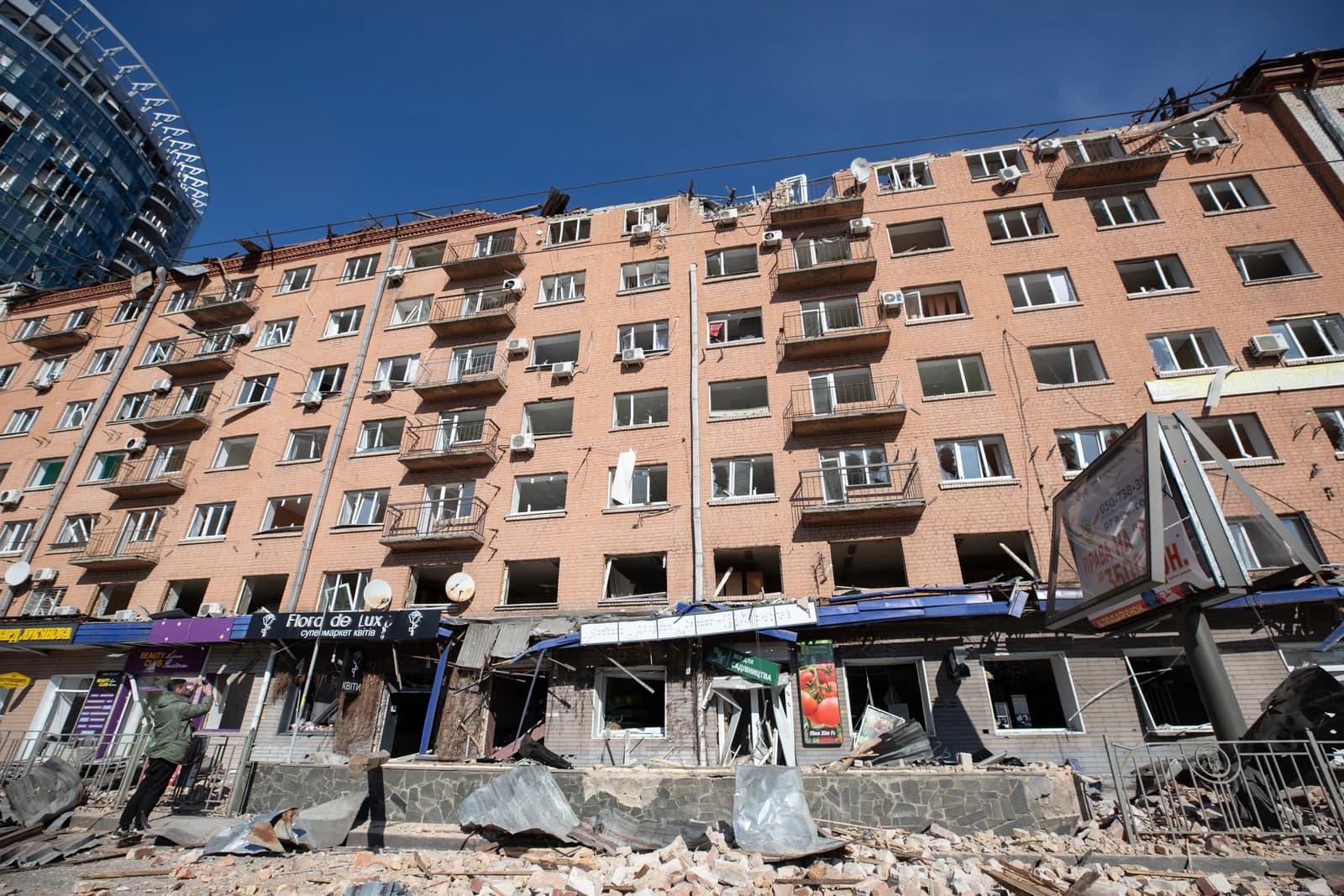
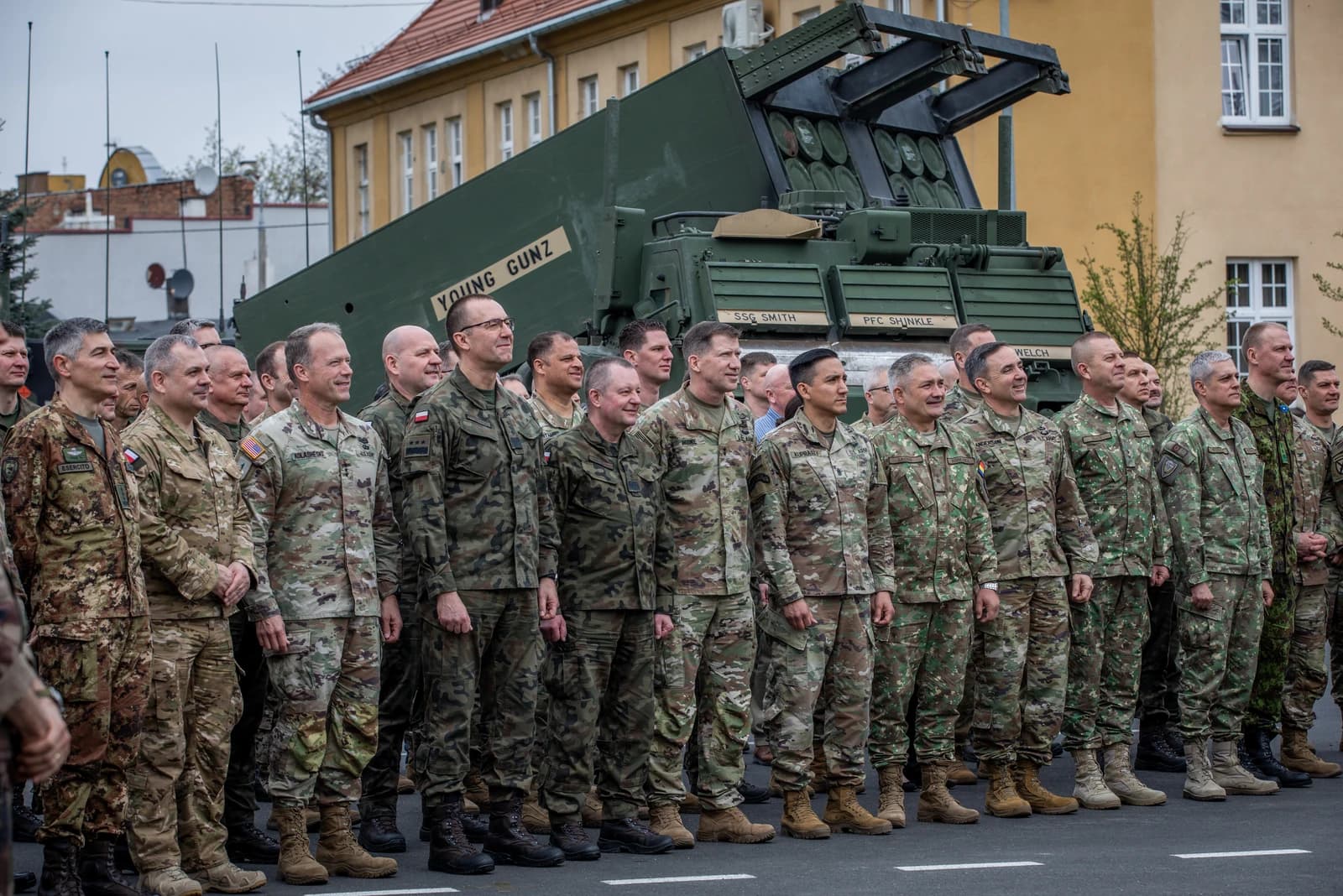
That matters because the economic cost of Europe’s new security posture is rising fast. NATO members are moving toward spending 3.5% of GDP on defense, up from a pre-2022 era when most were still short of the long-standing 2% target. But the continent is also being forced to fund a second layer of protection: 1.5% of GDP for broader security needs such as critical infrastructure, civil resilience and counter-sabotage. In other words, this is no longer just a debate about armies and artillery. It is a much larger, stickier bill for governments, taxpayers and businesses that have to harden ports, airports, rail networks and data systems against persistent disruption.
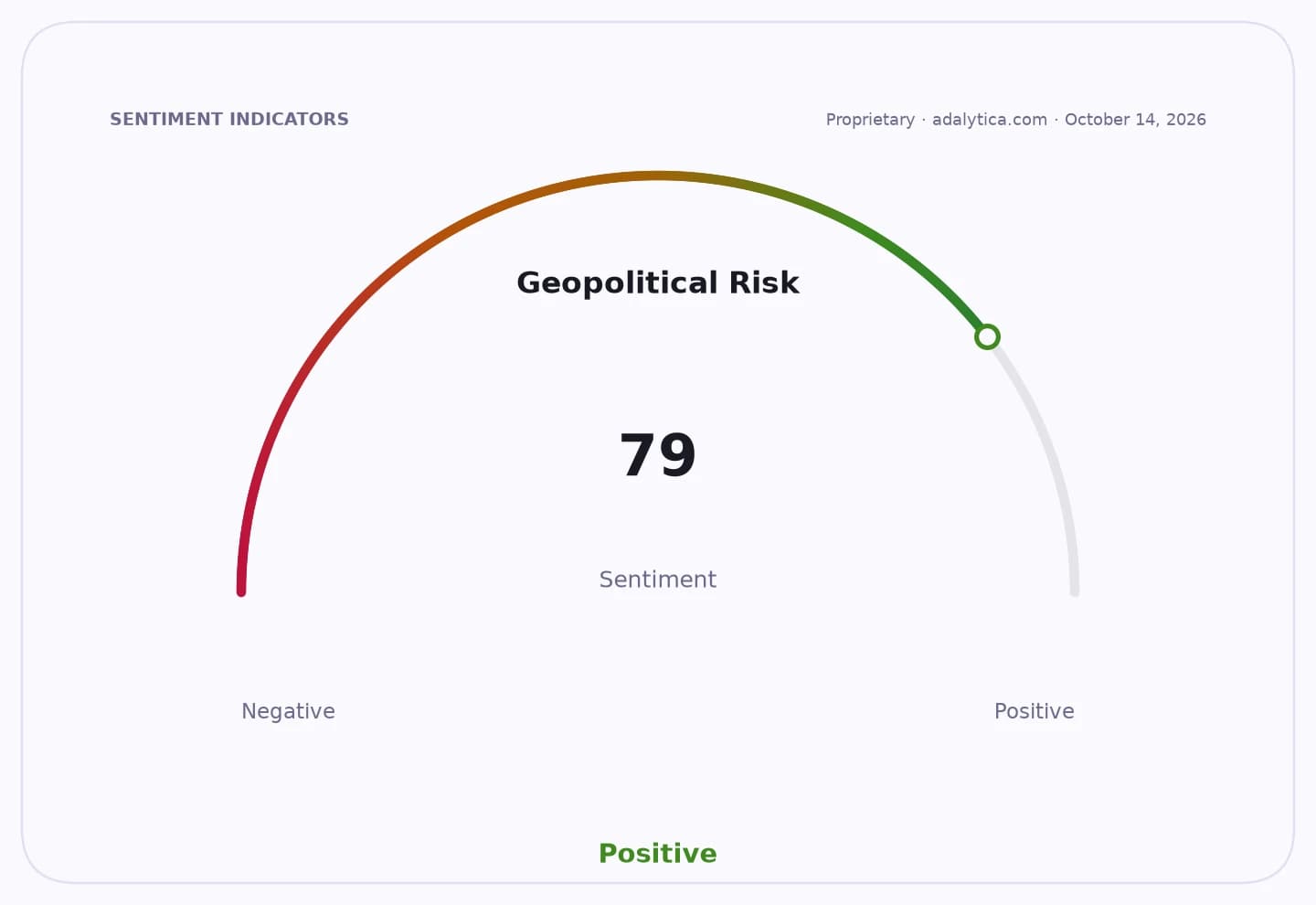
Sentiment Indicators
Geopolitical Risk
For investors, that widens the opportunity set well beyond the obvious winners in missiles and ammunition. The obvious beneficiaries are still defense contractors tied to higher procurement and replenishment cycles. Lockheed Martin, for example, has been buoyed by rising demand for systems such as Patriot and THAAD, and Northrop Grumman has also benefited from the broader push to rebuild stockpiles and expand industrial capacity. Their recent stock moves show how quickly the market is pricing in a higher defense baseline, even if pullbacks remind investors that these shares can get overheated. Lockheed has traded as high as $668 this year and recently sat near $596, while Northrop surged as high as $761 before slipping back toward $550.
But Europe’s need is broader than traditional defense hardware. The article’s central warning is that conventional deterrence has pushed Russia toward the gray zone — the murkier fight of sabotage, arson, drone incursions, cyberattacks and disinformation. That means spending will increasingly flow toward drones, counter-drone systems, cyber defense, surveillance, logistics security and emergency resilience. Those are not as flashy as fighter jets, but they may be more durable in the years ahead because they address both the war in Ukraine and the lower-level campaign already hitting Europe at home.
Geopolitical Risk — 30-day sentimentadalytica.com
Explore this data interactively — full history, time series and cross-market comparisons.
The strategic risk for Europe is complacency. If policymakers obsess over a hypothetical tank invasion in 2030 and underinvest in today’s security failures, Russia’s current campaign of pressure could keep eroding public confidence and political support for Ukraine. That makes the next aid package to Kyiv, due in November, economically and strategically important. A generous package would signal that sabotage has not broken Europe’s resolve — and could help preserve the stability that businesses and markets need more than anything else.
For long-term investors, the lesson is straightforward: Europe’s rearmament is not a one-year trade, but a multi-year capital cycle. The best way to play it is with patience, diversification and a willingness to own the full security stack, from missiles to cybersecurity to critical infrastructure protection. If Europe keeps matching its rhetoric with spending, the sector should remain a compelling watchlist theme for years, not weeks.
| Entity | Gains | Losses |
|---|---|---|
| European defense contractors | ▲Higher procurement budgets | ▼Price-sensitive buyers |
| Counter-drone and cyber firms | ▲More resilience spending | ▼Pure-play conventional suppliers |
| European governments | ▲Stronger deterrence | ▼Bigger fiscal burdens |
| Russia | ▲Tactical disruption | ▼Europe’s political resolve |