Japan is weighing a near-doubling of defence spending over the next five years, a move that would lock in one of the biggest military buildups in the country’s postwar history and deepen demand for drones, missiles and other advanced defence systems.
Japan Defense Spending Plan Could Near Double
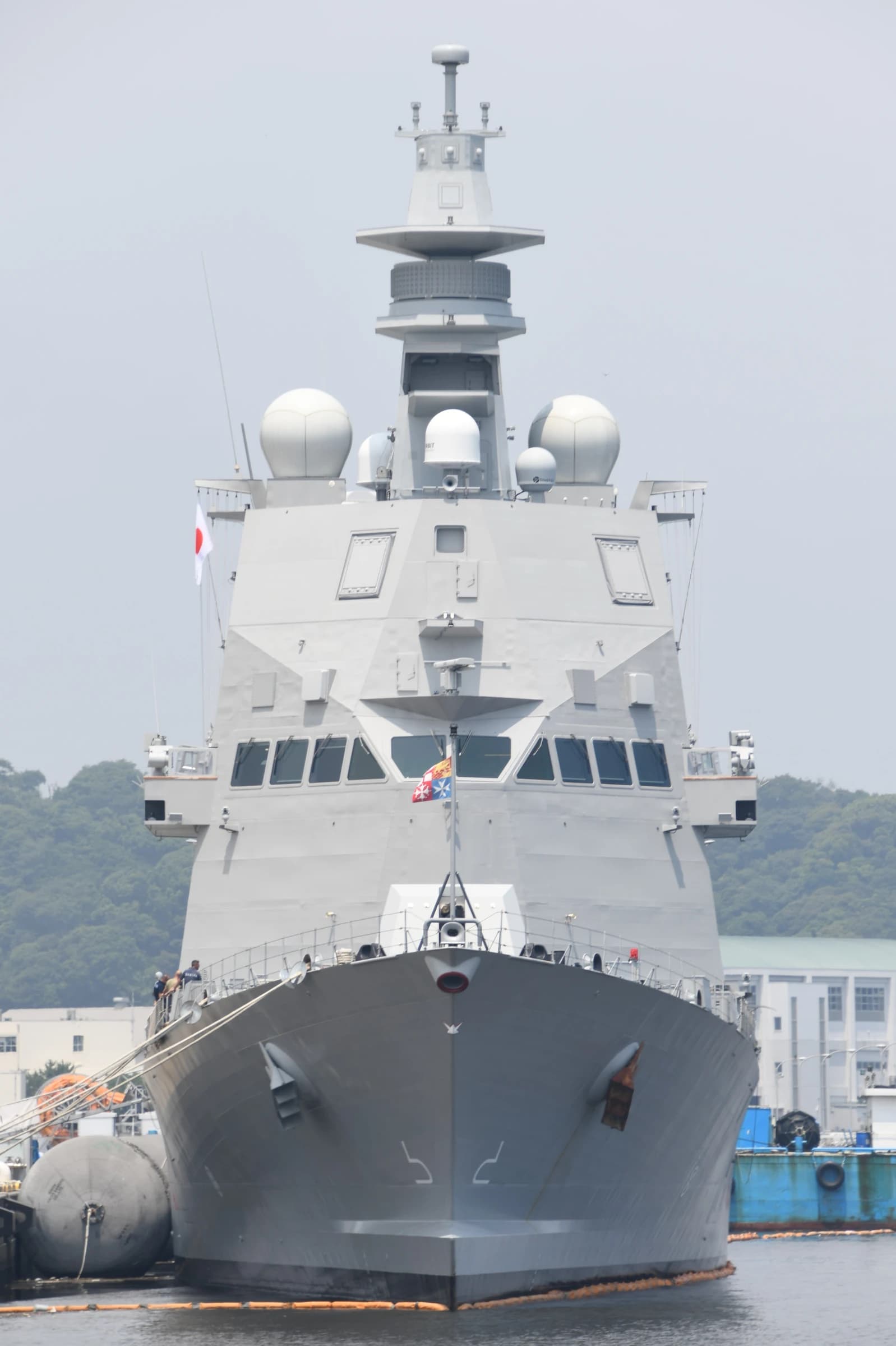
If adopted, the plan would set spending for the five years from April 2027 at 70 trillion to 80 trillion yen, or about $457 billion to $508 billion, according to people familiar with the discussions. That compares with roughly 43 trillion yen under the current five-year program, underscoring how quickly Tokyo is moving to harden its military posture as tensions rise across East Asia.
Sentiment Indicators
For investors, the significance is straightforward: this is not just a budget line, but a durable multi-year procurement wave. Japan has already been shifting away from a purely defensive model and toward counterstrike capabilities, longer-range missiles, ammunition stockpiles and spare parts. The next phase appears to lean even more heavily into drones, artificial intelligence and space technologies, areas that could benefit both domestic contractors and global suppliers tied to Japan’s rearmament.
A weaker yen is also making the process more expensive. That matters because Japan buys much of its most advanced equipment from abroad, so currency pressure can force Tokyo to spend more yen for the same hardware, or stretch the budget thinner than lawmakers would like. In other words, a bigger headline figure may still prove insufficient if procurement costs keep rising.
The timing is politically important as well. Prime Minister Sanae Takaichi is pushing to strengthen Japan’s military capabilities, and the government is compiling the budget while revising its three security-related documents before year-end. The final number could still change, and debate remains over whether the mid-70-trillion-yen range would truly match the security environment Japan faces.
The broader narrative is that Japan is adapting to a more dangerous regional order. Conflicts in Ukraine and the Middle East have accelerated interest in drones and interception systems, and Tokyo has been exploring a defence model built around absorbing and defeating long-range attacks rather than relying solely on traditional platforms. That shift has implications beyond Japan’s borders, because it reinforces the alliance structure with Washington and supports a wider cycle of defence spending across the Indo-Pacific.
For long-term investors, this is the kind of policy trend that can compound over years rather than months. Defence spending tends to be sticky once it starts, especially when geopolitical risk stays elevated. If Japan follows through, the beneficiaries are likely to be contractors, electronics suppliers and technology firms with exposure to missile defence, unmanned systems and secure communications. The losers are taxpayers, budget hawks and any company that depends on a weaker defence posture in the region.
| Entity | Gains | Losses |
|---|---|---|
| Japanese defence contractors | ▲Bigger procurement pipeline | ▼Budget uncertainty |
| US and allied defence suppliers | ▲More export demand | ▼Margin pressure from yen strength/weakness swings |
| Japan and regional security planners | ▲Stronger deterrence | ▼Higher fiscal burden |
| Taxpayers and civilian spending priorities | ▲— | ▼Less room for other spending |