Japan’s policymakers, business leaders and security analysts are using a Nikkei-CSIS symposium today to focus on a sharper regional risk mix that now includes cyber vulnerabilities, supply-chain fragility and rising geopolitical pressure across the Asia-Pacific.
Japan symposium highlights cyber and supply chain risk

The timing matters because the security debate is no longer abstract. A global alert over critical PHP software flaws has forced many organizations to take websites offline, underscoring how quickly a technical weakness can become an operational and national-security problem for governments, banks and companies that rely on exposed online systems.
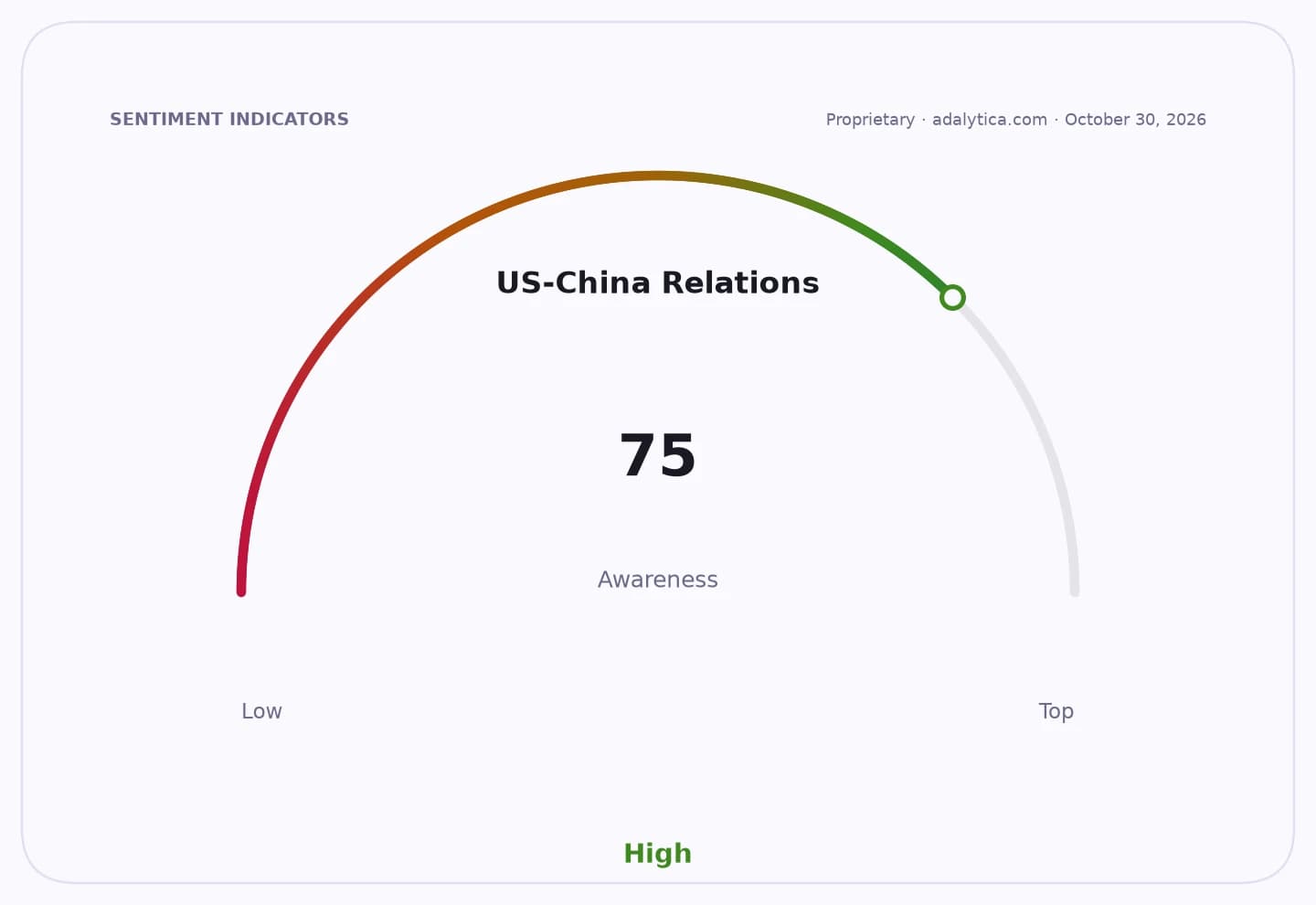
Sentiment Indicators
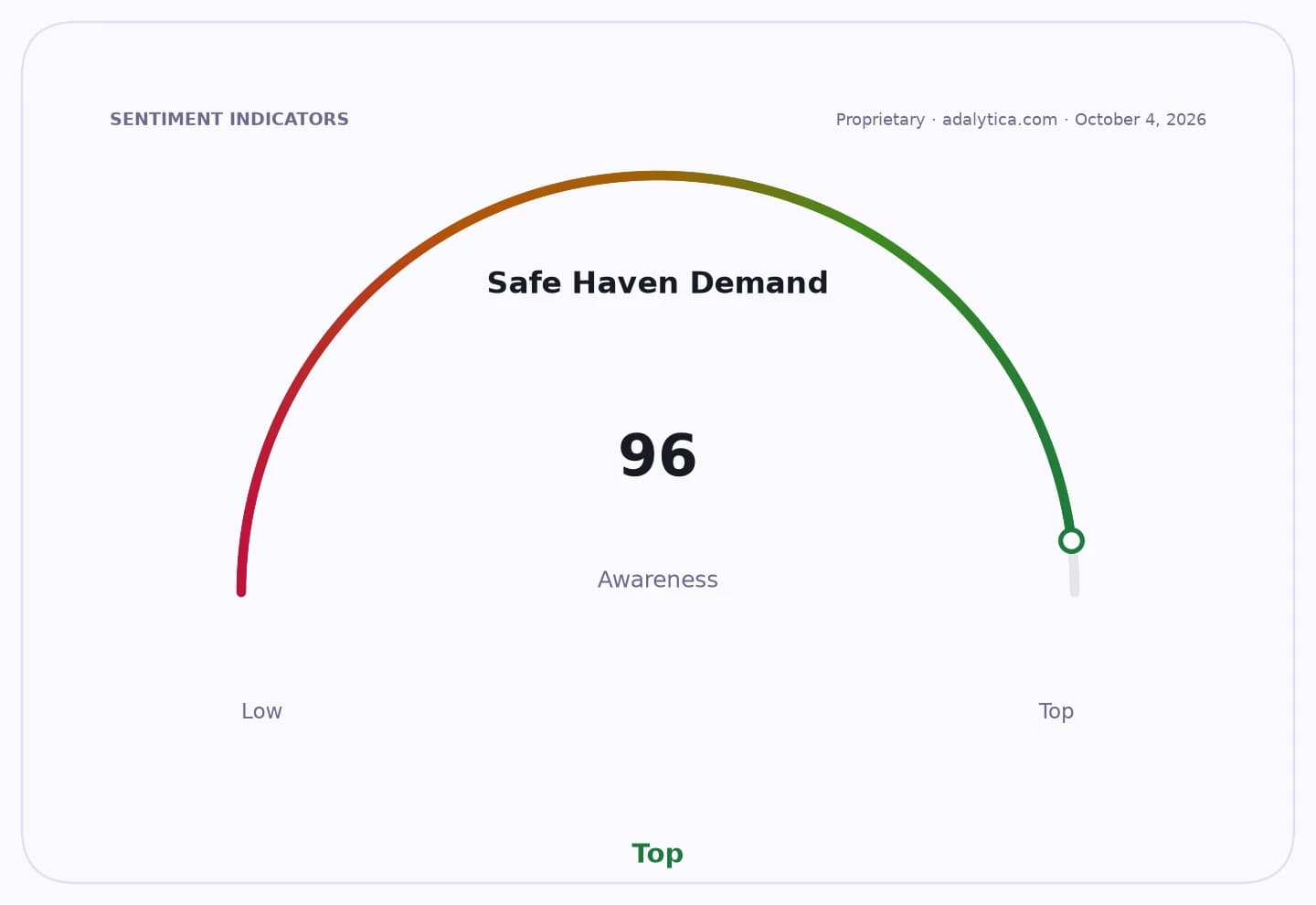
Safe Haven Demand
That backdrop is feeding a broader rethink of resilience in Asia, where critical services increasingly run on interconnected digital infrastructure. For investors, the message is that cybersecurity spending, defensive software and managed-security services are likely to stay elevated, while firms with weaker patching discipline or heavy dependence on vulnerable legacy systems face higher operational and reputational risk.
The symposium also lands as markets are already pricing a more cautious stance toward risk assets. The yen has drawn only muted attention in Adalytica’s trade signals, while safe-haven sentiment remains in fear territory, suggesting investors are still sensitive to shocks that could ripple through regional equities, exporters and defense names.
That matters for Japan-listed stocks and broader Asia-Pacific assets because security concerns tend to favor companies tied to defense, cyber protection and infrastructure hardening, while they can weigh on sectors exposed to disruptions in cross-border trade, cloud services and payment systems. The issue also reinforces the strategic importance of U.S.-Japan cooperation, a theme that runs through regional security planning and supply-chain policy.
With Middle East tensions, tariff risk and export controls already pressuring global risk appetite, today’s symposium is likely to sharpen the policy focus on digital defense as a core element of economic security. Investors will be watching for any signs that the discussion translates into spending commitments, tighter regulation or procurement opportunities for defense and cybersecurity contractors.
| Entity | Gains | Losses |
|---|---|---|
| Cybersecurity firms | ▲Higher demand | ▼— |
| Defense contractors | ▲More security spending | ▼— |
| Governments and agencies | ▲Stronger resilience | ▼Higher compliance burden |
| Legacy tech users | ▲— | ▼More outage and breach risk |