NATO and Japan are stepping up military cooperation in a move that underscores how the war in Ukraine, China’s growing military reach and North Korea’s ties with Moscow are reshaping security planning across the Indo-Pacific and Europe.
NATO and Japan expand defense cooperation
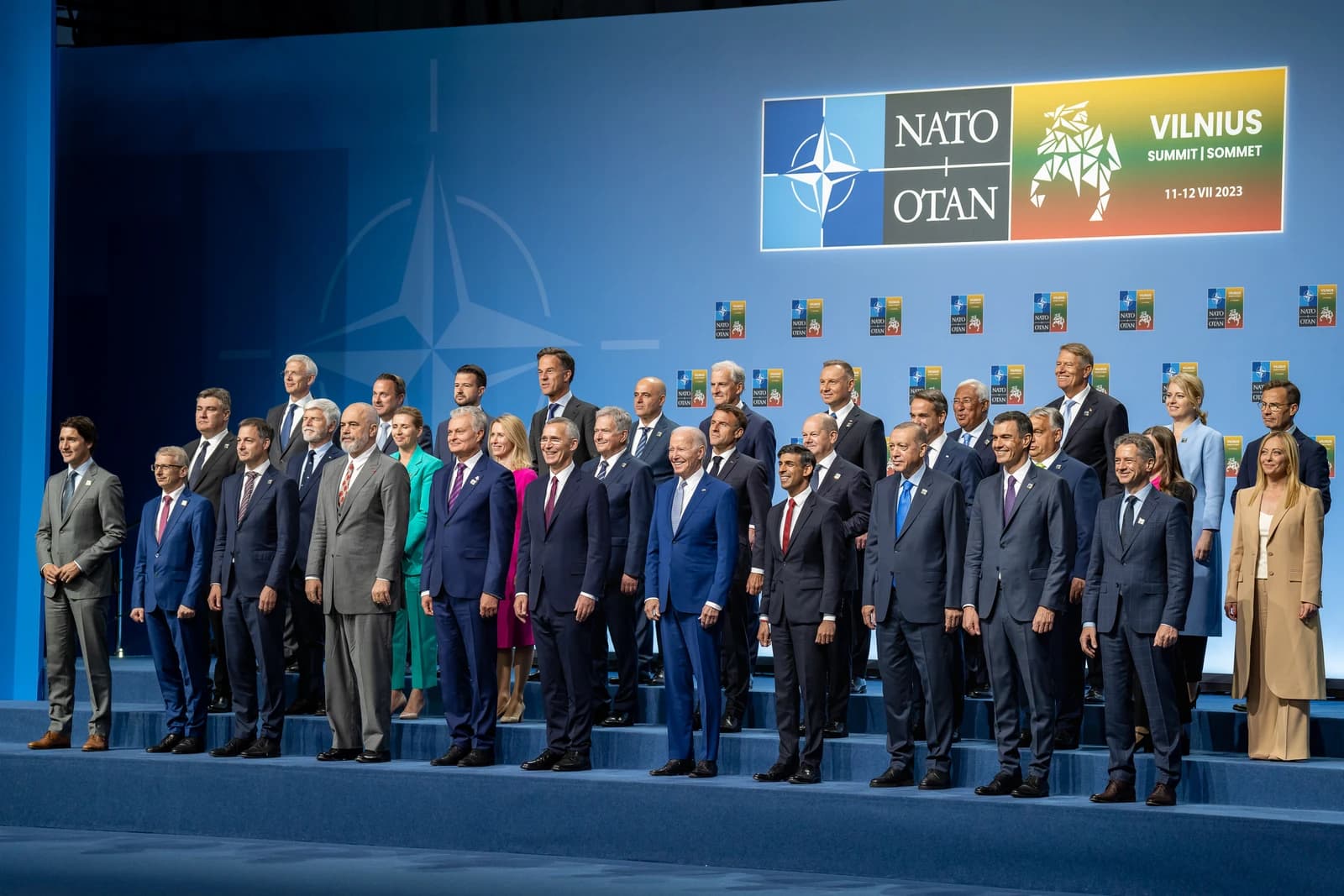
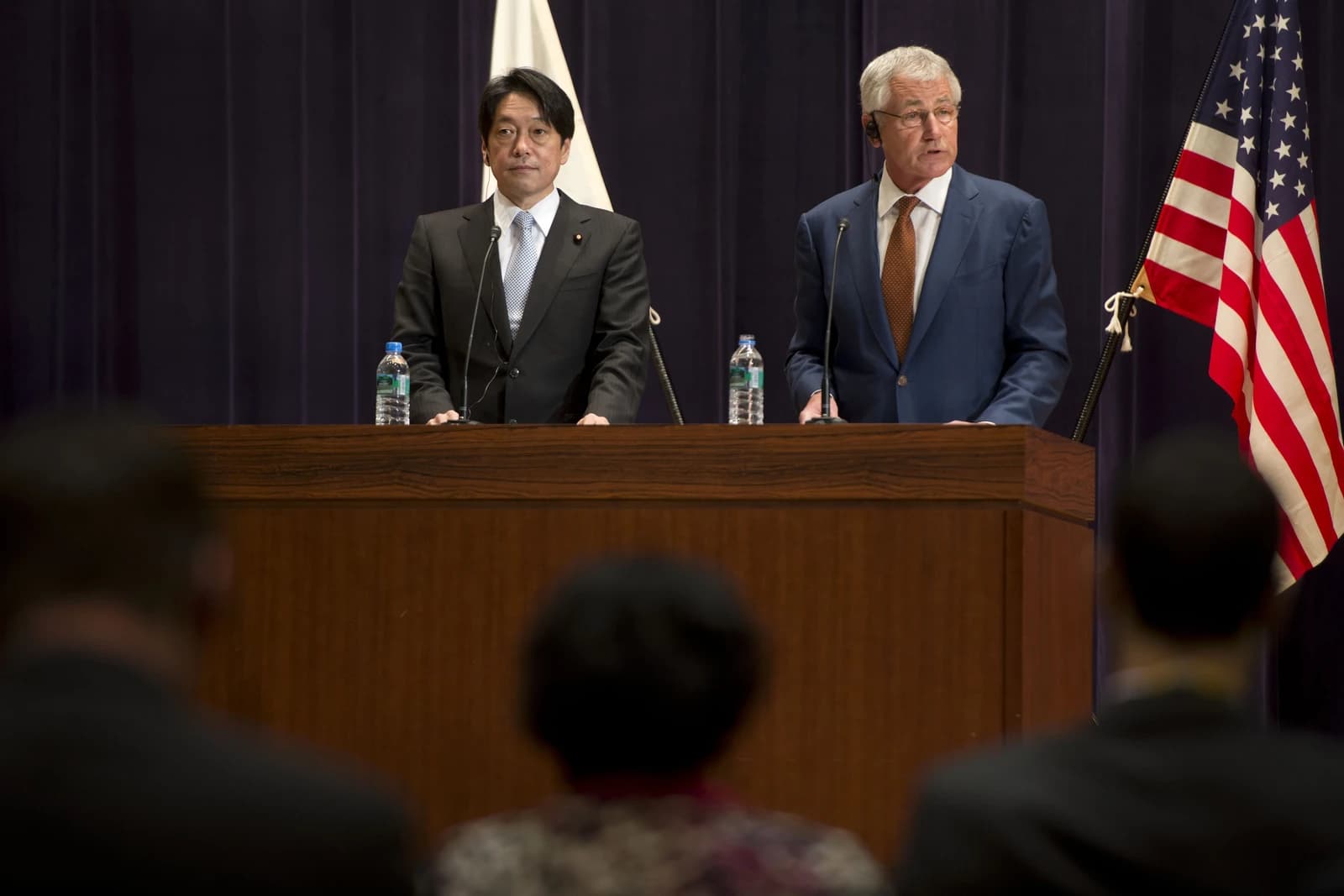
NATO Secretary-General Mark Rutte and Japanese Prime Minister Shigeru Ishiba said they will expand coordination on cyber defense, space, advanced technologies, drones and artificial intelligence, while also increasing joint exercises and defense-industrial cooperation. The talks mark Rutte’s first visit to Japan since taking office and signal a sharper alignment between Tokyo and the alliance as geopolitical risk rises.
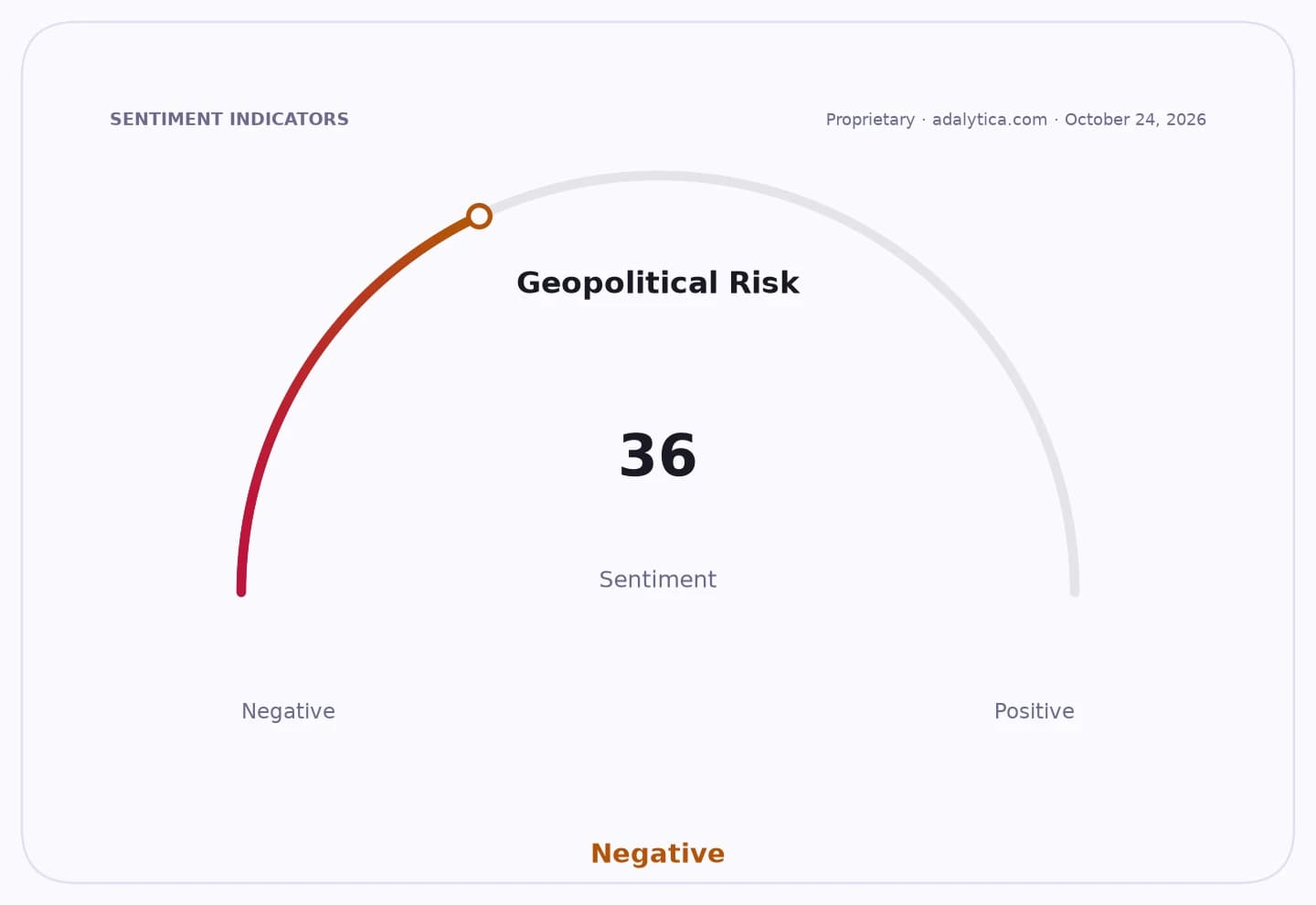
Sentiment IndicatorsⓘProprietary · adalytica.com · October 25, 2026
This is a snapshot — live sentiment, awareness and momentum for 130+ markets update continuously in the dashboard.Open AlphaPulse
For investors, the latest push reinforces demand for Western and Japanese defense capabilities at a time when governments are already lifting military spending. Japan’s closer engagement with NATO also broadens the potential market for contractors that supply missile defense, sensors, cybersecurity and dual-use technology, even as Tokyo says any role in NATO security support for Ukraine will remain within its constitutional limits.
The alliance message was also aimed squarely at Beijing and Moscow. Ishiba warned that Russia’s aggression in Ukraine could encourage similar behavior in the Indo-Pacific, while Rutte accused China of expanding military power and engaging in “destabilizing activities.” Both leaders condemned military cooperation between Russia and North Korea and expressed concern over Chinese support for Russia’s defense industry.
That backdrop is already feeding into defense sentiment. Lockheed Martin shares have climbed to $604.18 from $499.22 on Oct. 7, while Northrop Grumman rose to $551.44 from $473.46 over the same stretch and RTX has recovered to $191.01 from $180.26. The moves reflect a market that is still rewarding companies exposed to missile defense, air defense and allied rearmament, even after recent volatility.
Japan is also confronting its own security vulnerabilities, including a cyber emergency and a botched earthquake warning that have heightened scrutiny of national resilience. That makes the alliance buildout more than diplomatic theater: it ties defense, cyber and industrial policy together in a region where investors are increasingly pricing in longer-term rearmament.
The next catalysts are likely to be concrete follow-through on joint exercises, technology-sharing arrangements and any new procurement or support commitments linked to Ukraine and Indo-Pacific deterrence.
| Entity | Gains | Losses |
|---|---|---|
| NATO | ▲Wider Indo-Pacific reach | ▼Higher security commitments |
| Japan | ▲Stronger deterrence | ▼More defense spending pressure |
| Lockheed Martin, Northrop, RTX | ▲Demand for missiles, cyber tools | ▼Risk of policy delays |
| China, Russia, North Korea | ▲— | ▼More allied coordination against them |