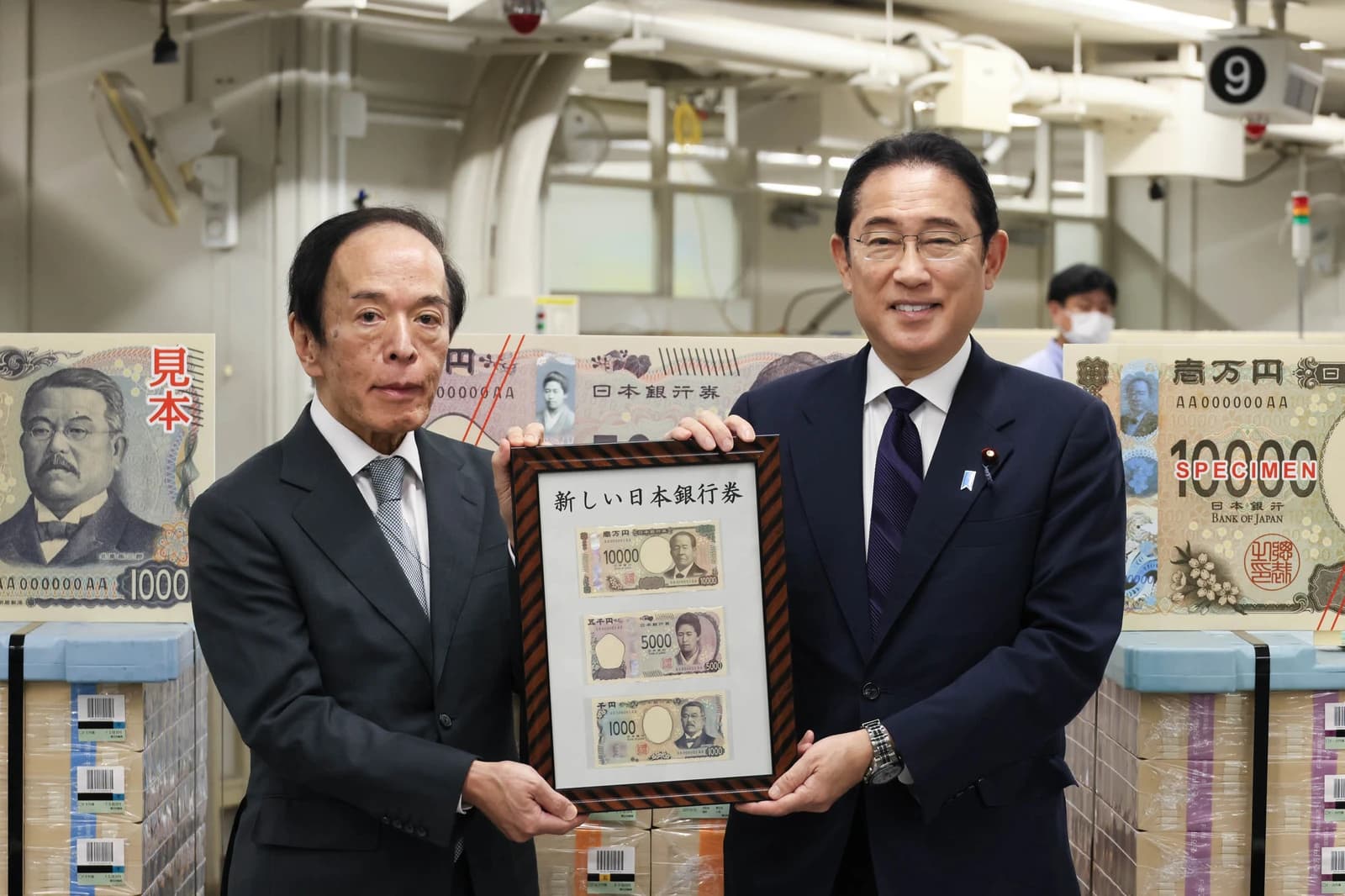
The Bank of Japan’s planned ETF sales are being framed in Tokyo as a source of future growth rather than a drag on markets, with Prime Minister Sanae Takaichi saying the proceeds will be reinvested and should help support the economy over time.
Japan BOJ ETF Sales Reinvestment Outlook
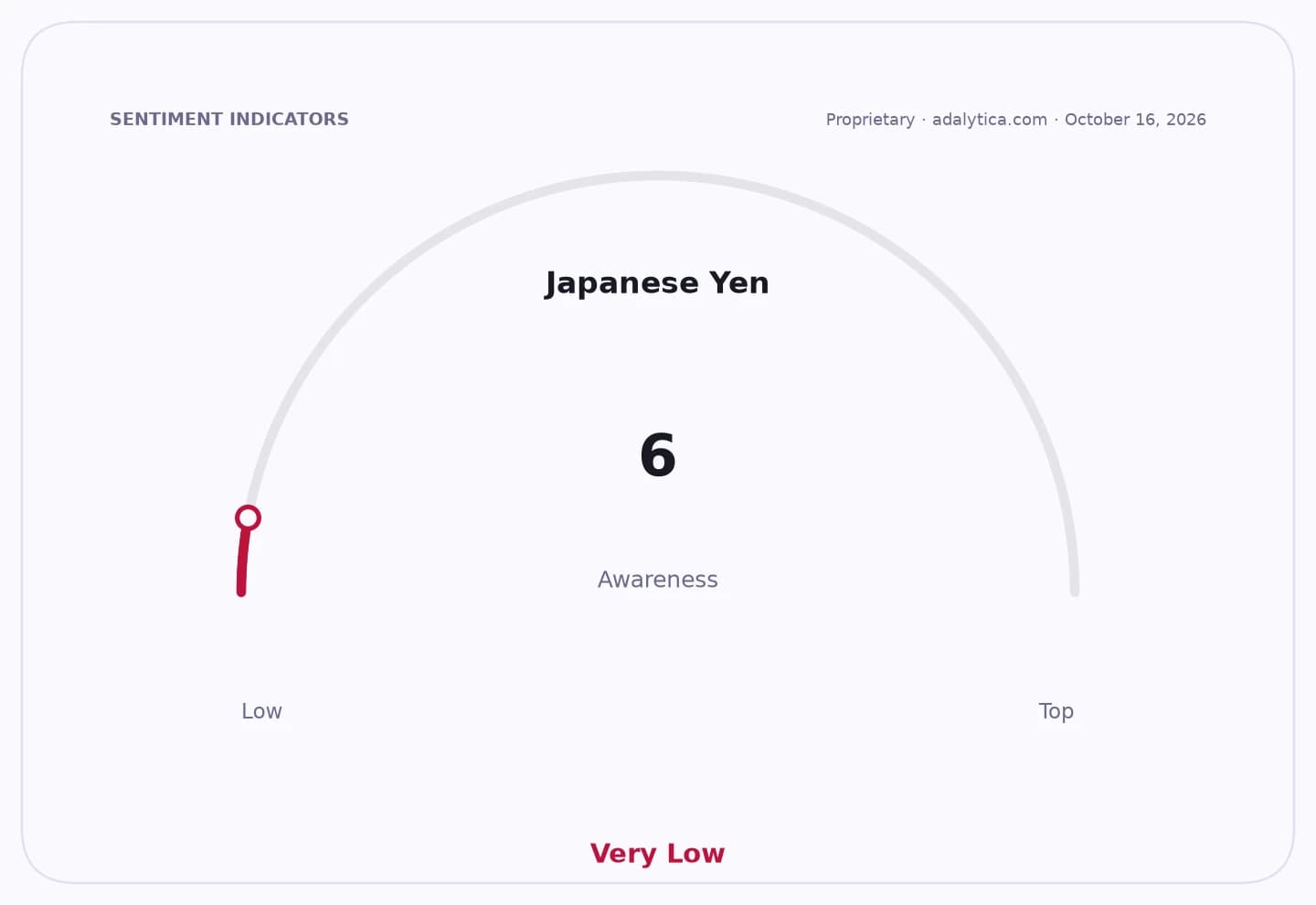
Japanese Yen
That matters because the BOJ’s long-running role as a giant buyer of Japanese equities has distorted the market for years. Any move to unwind that position raises a simple question for investors: will the central bank’s exit drain liquidity, or will the cash recycled from those sales help keep Japan’s reflation story intact? Takaichi’s answer is that reinvestment, not withdrawal, is the point.
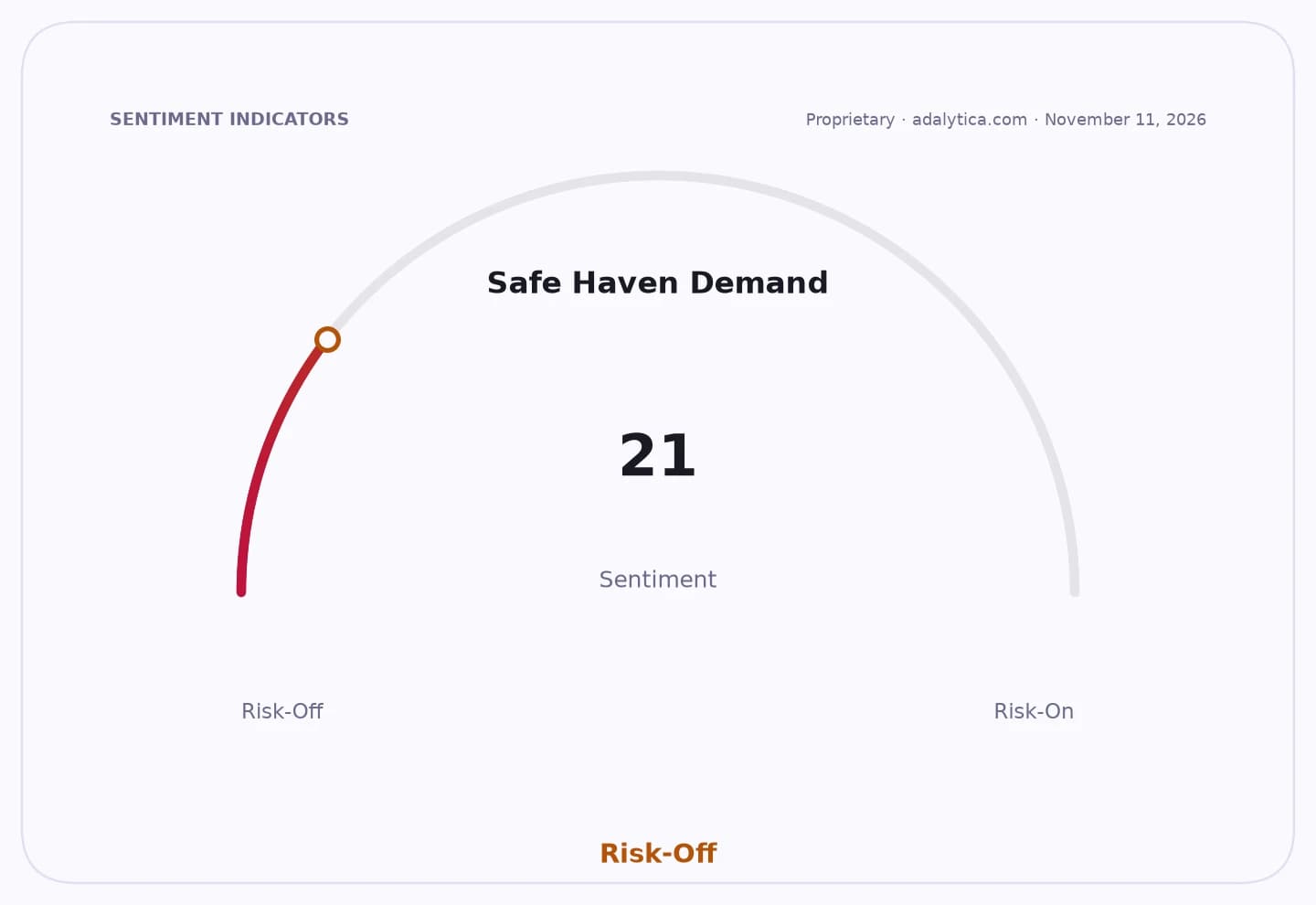
Sentiment Indicators
For long-term investors, that’s the key distinction. Japan is still navigating a delicate transition from ultra-easy policy to something more normal, and the BOJ is trying to avoid shocking a market that has already been sensitive to higher rates, a firmer yen and changing expectations for corporate earnings. If ETF sales are handled gradually and the proceeds are pushed back into productive use, the unwind can look less like a liquidation and more like a slow reallocation of capital.
That helps explain the market’s relative resilience. The iShares MSCI Japan ETF has traded around the low 90s, while the currency-backed Japan ETF has held up even as the yen moved sharply. Both are still above their 200-day moving averages, suggesting investors are not treating the BOJ’s exit as an immediate threat to the long-term case for Japanese equities.
The broader backdrop still favors patience. Japan’s equity market has benefited from better governance, healthier balance sheets and a more shareholder-friendly corporate culture, and those trends do not disappear because the central bank trims its ETF book. In fact, if the BOJ’s sales proceeds are recycled into growth-oriented uses, they could reinforce the very forces that have made Japan investable again.
The risk, of course, is execution. If markets conclude the BOJ is stepping back faster than expected, it could pressure exporters, banks and the broader Topix and Nikkei complex. But for investors with a multiyear horizon, the more important point is that Japan is moving from monetary support to economic normalization, and that usually creates winners as well as losers. The best strategy is to watch whether the unwind remains orderly and to stay focused on companies that can compound earnings regardless of central-bank buying.
| Entity | Gains | Losses |
|---|---|---|
| Japanese economy | ▲Recycled capital | ▼Easy-money dependence |
| Japanese equities | ▲Longer-term inflows | ▼BOJ support premium |
| Exporters | ▲Potential growth spending | ▼Stronger-yen pressure |
| Short-term traders | ▲Volatility opportunities | ▼Liquidation risk |