JUNGLIA’s first-year loss of 17.3 billion yen has turned the Okinawa mega-theme park into an early test of whether Japan’s banks will keep financing a long-gestation tourism bet that is still years from proving itself.
Japan Banks Face JUNGLIA Financing Test
That matters because JUNGLIA is not just a single project gone soft; it is a capital-intensive regional development story tied to Japan’s push to widen domestic tourism, lift spending outside Tokyo and turn underused assets into recurring cash flow. When a flagship attraction opens with a deficit that large, lenders are forced to decide whether they are backing a future destination or extending credit into a value trap. The answer will reverberate far beyond Okinawa, especially for institutions that have been leaning into growth lending as Japan exits decades of deflation and risk aversion.
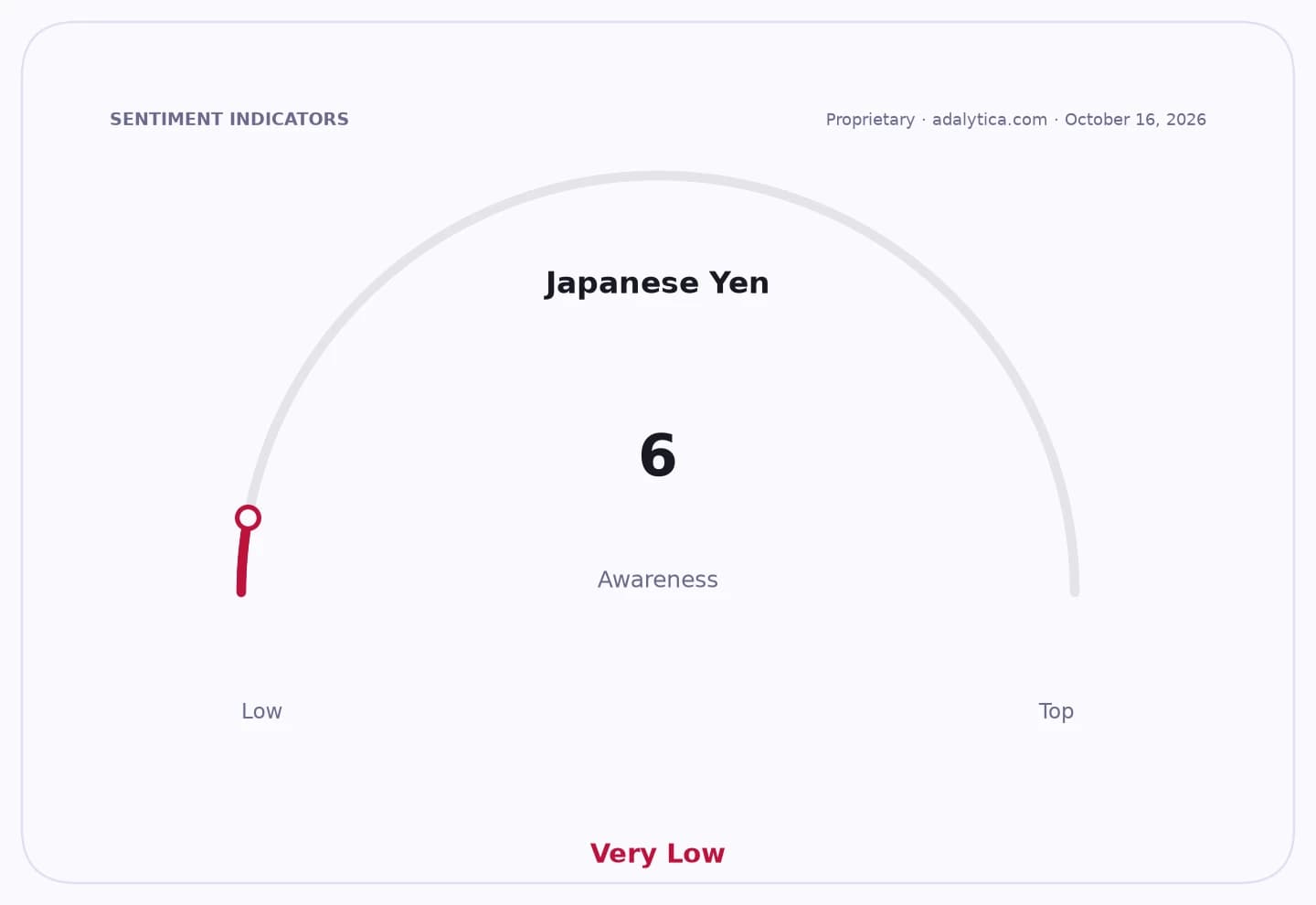
Sentiment IndicatorsⓘProprietary · adalytica.com · October 16, 2026
This is a snapshot — live sentiment, awareness and momentum for 130+ markets update continuously in the dashboard.Open AlphaPulse
The banking names in focus — Mitsubishi UFJ Financial Group and Sumitomo Mitsui Financial Group — have both been in stronger technical shape than the broader market suggests. MUFG shares have held above their 200-day moving average and, even after a recent pullback, remain far above last year’s levels. MFG has also stayed above its long-term trend despite near-term weakness. That kind of pricing tells me investors still want exposure to Japan’s structural banking recovery: better rates, healthier capital ratios and more room to deploy balance sheet into real-economy projects. The market underestimates how much of the next leg in Japanese finance will come not from trading or fee income, but from selective underwriting of domestic industrial and tourism assets that can compound over time.
The risk, of course, is that projects like JUNGLIA expose lenders to execution pain before operating leverage arrives. A first-year loss of that size means debt service, occupancy, ticket pricing and ancillary spending all have to improve quickly just to stabilize the model. If they do, the payoff is substantial: Okinawa gets a magnet for inbound visitors, local suppliers gain a new demand engine and banks secure a foothold in a regional growth story that could expand credit demand for years. If they do not, the same lenders may end up carrying the financing burden longer than planned.
Investor takeaway: treat JUNGLIA as a litmus test for Japan’s new credit cycle. I believe the better trade is not to dismiss the losses, but to look through them to the institutions financing Japan’s next wave of domestic asset creation. The winners will be the banks with capital, patience and the ability to price risk; the losers will be projects that need endless support before they can stand on their own.
| Entity | Gains | Losses |
|---|---|---|
| MUFG | ▲Growth lending opportunity | ▼Near-term credit risk |
| SMFG | ▲Selective project finance | ▼Exposure to execution misses |
| JUNGLIA/Okinawa tourism | ▲Long-term visitor demand | ▼First-year operating losses |
| Cautious lenders | ▲Preserve capital | ▼Miss upside from recovery |