South Korea has revoked debt-relief deals for 16 borrowers after finding they hid assets while taking part in the New Start Fund, a result that puts fresh pressure on the government’s flagship program for small merchants and self-employed workers.
South Korea revokes 16 New Start Fund debt deals
The Korea Asset Management Corp., or KAMCO, is now moving to freeze and recover assets through legal action after canceling the agreements, underscoring how fraud checks are becoming central to the program’s credibility and fiscal cost.
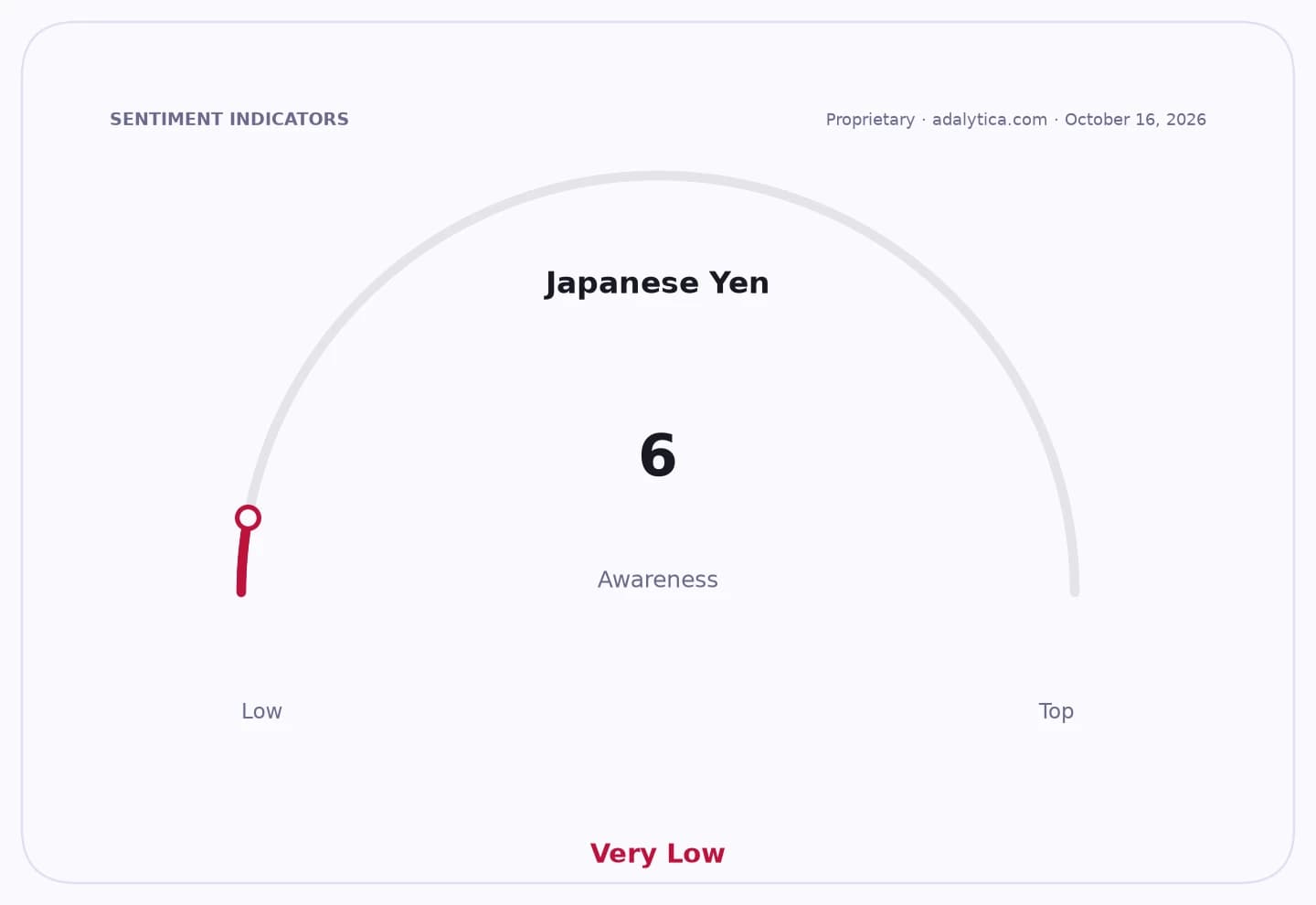
Sentiment IndicatorsⓘProprietary · adalytica.com · October 16, 2026
This is a snapshot — live sentiment, awareness and momentum for 130+ markets update continuously in the dashboard.Open AlphaPulse
According to data submitted to lawmaker Park Sung-hoon, the borrowers had a combined original debt of 16.52 billion won and received 10.55 billion won in principal reductions before the concealment was uncovered through August this year. Hidden assets ranged from real estate and subdivision rights to lease deposits and land compensation payments, and some borrowers were found to own properties worth 400 million won to 700 million won while still receiving debt restructuring.
The case matters because the New Start Fund is designed to ease the burden on struggling small businesses and prevent a wave of bad debt from spilling through the economy. If borrowers can game the system, the program becomes more expensive for taxpayers and less effective at channeling relief to genuinely distressed operators.
KAMCO said it has already canceled the agreements for all 16 cases and is pursuing preservation measures and compulsory enforcement. The agency previously relied on information it could obtain from related institutions and self-reported assets, but a revision to credit information law in August broadened access to gifts, crypto assets and unlisted shares, which should make post-checks harder to evade.
Lawmakers are likely to use the case to push for tighter verification and stronger clawback powers as Seoul expands support for vulnerable households and businesses. For investors, the issue is less about direct market impact than about the quality of South Korea’s credit-loss management and the political durability of debt-relief schemes that can affect banks, public finance and moral-hazard risk.
| Entity | Gains | Losses |
|---|---|---|
| Honest small-business borrowers | ▲More targeted relief | ▼Slower processing if checks tighten |
| KAMCO / government | ▲Stronger recovery tools | ▼Administrative and legal burden |
| Fraudulent borrowers | ▲None | ▼Cancellation, asset seizure |
| Banks / creditors | ▲Better recovery prospects | ▼Continued exposure to delinquent loans |