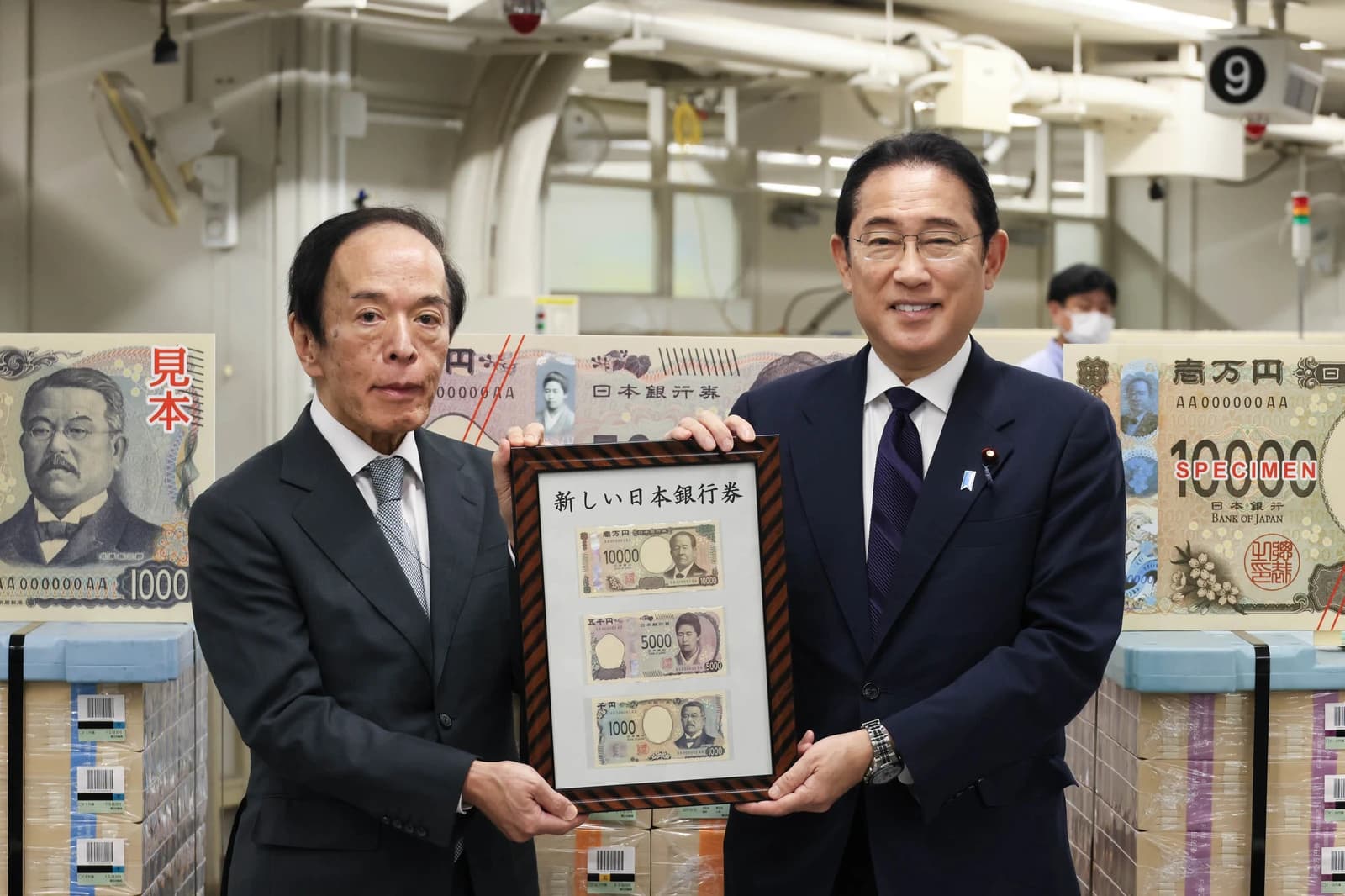
Mizuho Bank is reviving a plain-vanilla savings deposit for the first time in 16 and a half years, a sign that Japan’s rate-hike cycle is finally feeding through to retail banking and pushing lenders to compete more aggressively for yen deposits.
Mizuho Revives Savings Deposit After 16.5 Years

The move matters because higher policy rates are changing the economics of household cash in Japan. For years, near-zero rates left savers with little incentive to shift money between bank accounts and short-term yen products. As the Bank of Japan tightens further, banks can once again offer returns that are meaningful enough to attract balances, even if yields remain modest by global standards. That raises funding costs for lenders over time, but it also gives households a wider menu of yen interest-rate products and starts to reprice a system that has been anchored at ultra-low rates for more than a decade.
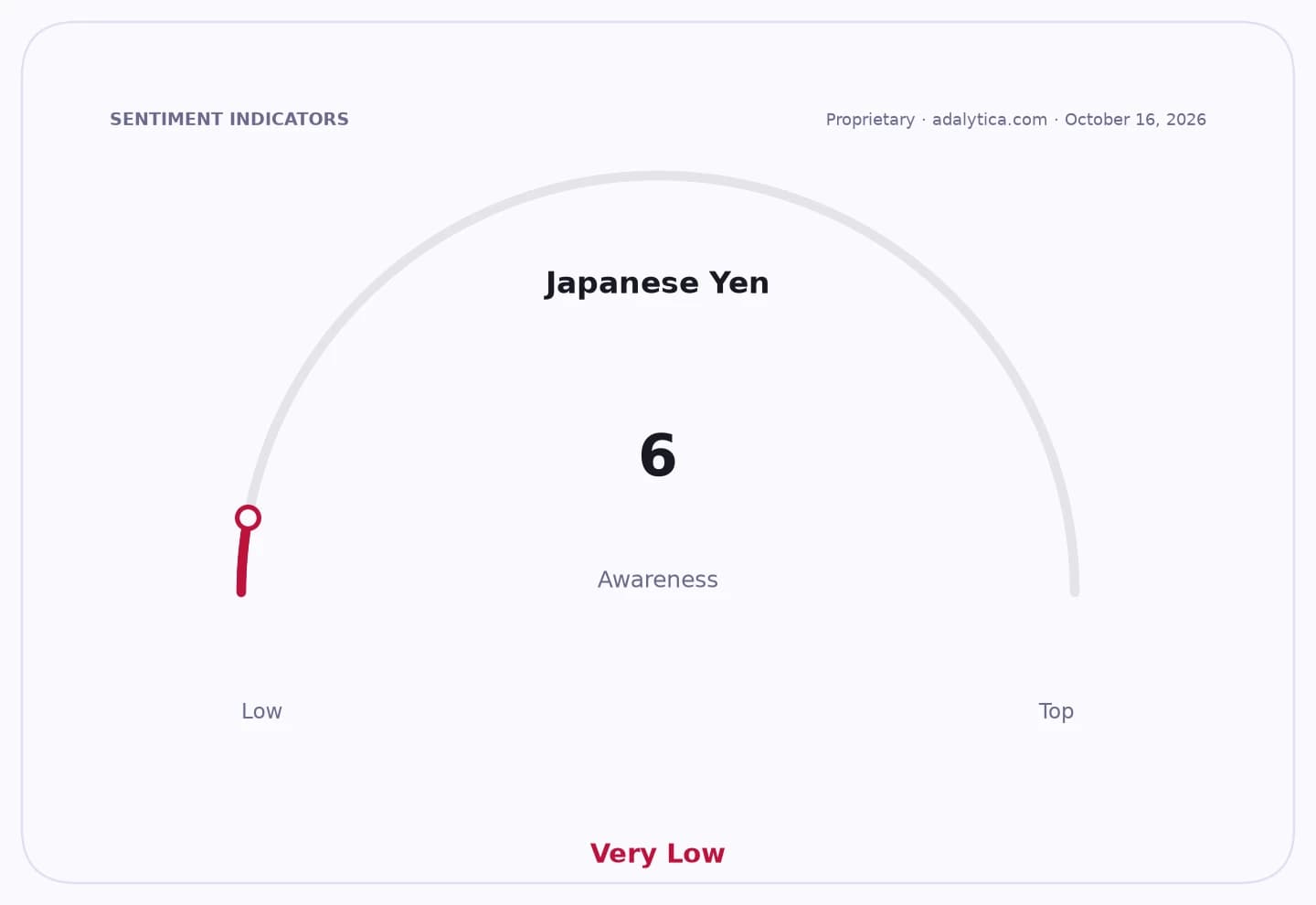
Sentiment IndicatorsⓘProprietary · adalytica.com · October 14, 2026
This is a snapshot — live sentiment, awareness and momentum for 130+ markets update continuously in the dashboard.Open AlphaPulse

For investors, the launch is a small but telling signal that Japan’s normalization story is broadening beyond government bonds and currency markets. Banks with strong deposit franchises can benefit if higher rates allow them to widen spreads, but they also face pressure to pay up for stable funding as competition for deposits intensifies. That is particularly relevant for the major lenders, including Mizuho, whose earnings are increasingly tied to how quickly deposit costs catch up with rising loan and asset yields.
The backdrop is a yen that remains under pressure despite the BOJ’s policy shift. The currency has weakened against the dollar and other major Asian currencies, and recent technical readings in the yen-tracking ETF suggest volatility rather than a clean trend. At the same time, higher domestic rates have not yet delivered a clean boost to Japan’s export story, leaving policymakers and companies with a more complicated mix of inflation, weak currency and uneven growth.

The new savings product also fits a broader corporate response to Japan’s changing rate environment. Financial firms are beginning to redesign consumer products around a market where cash finally earns something again. For savers, that should gradually increase returns on yen balances. For banks, it means a more competitive deposit market and a possible shift in how they manage liquidity, margins and customer retention.
The key question now is how fast the Bank of Japan proceeds. If further hikes follow, the pressure on banks to compete for funding will intensify, and more yen-linked products are likely to emerge. If the BOJ pauses, the current wave of launches may still continue, but the repricing of Japan’s deposit market could be slower and more uneven than bulls expect.
| Entity | Gains | Losses |
|---|---|---|
| Mizuho | ▲More retail deposits | ▼Higher funding costs |
| Japanese savers | ▲Better yen yields | ▼Limited real returns |
| Other banks | ▲Product innovation upside | ▼Deposit competition |
| BOJ hawks | ▲Proof of normalization | ▼Pressure on borrowers |