Japan’s latest push to overhaul the TOPIX index matters because it could shift billions of yen toward the country’s stronger, more shareholder-friendly companies while forcing weaker names to confront a harder reality: improve governance or risk losing relevance in the market’s flagship benchmark.
Japan TOPIX overhaul could favor stronger companies
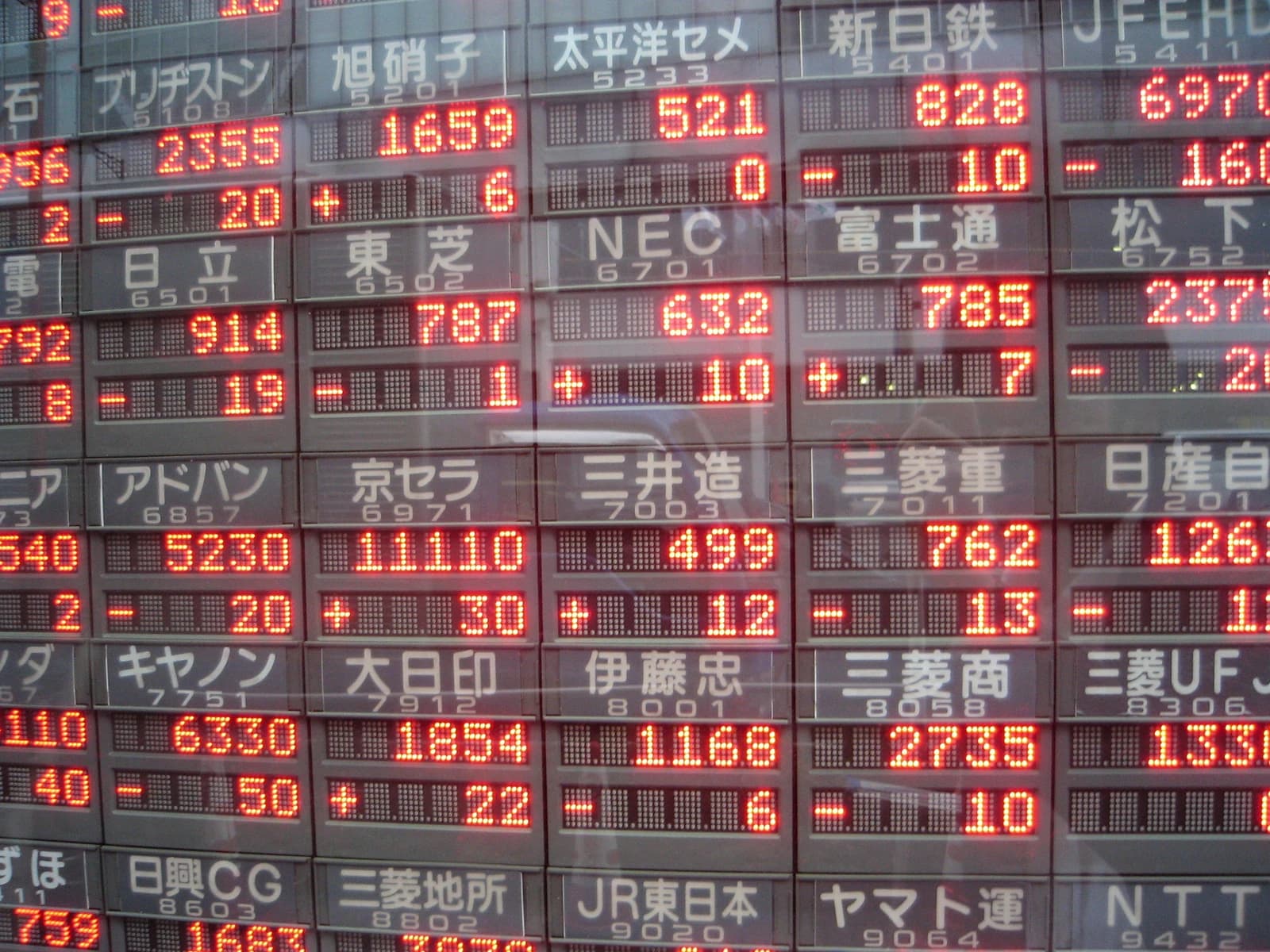
That is why this is more than a technical index tweak. Japan has spent years trying to shake off its reputation for bloated balance sheets, cross-shareholdings and low returns on capital. A TOPIX revamp would extend that campaign into the passive-investing machine itself, and that is where the real economic power sits. When index rules change, capital flows change with them. For long-term investors, that can alter valuations, liquidity and even management behavior across the market.
Sentiment IndicatorsⓘProprietary · adalytica.com · October 8, 2026
This is a snapshot — live sentiment, awareness and momentum for 130+ markets update continuously in the dashboard.Open AlphaPulse
The strongest companies stand to benefit first. Firms with healthier earnings, cleaner governance and better free-cash-flow generation are the ones most likely to remain central to the index as methodology tightens. That should matter to foreign investors because Japan has become one of the more compelling developed markets for capital discipline, buybacks and reform. The Tokyo market’s pressure on listed companies to modernize governance has not been a slogan; it has been a persistent market force.
The market backdrop suggests investors are already paying attention. U.S.-listed funds tracking Japan have held up well, with the EWJ ETF recently trading at 97.15, above its 50-day moving average of 96.62 and its 200-day average of 90.47, a sign the longer-term trend remains constructive even after recent volatility. The dollar hedge fund DXJ has also stayed firm at 180.52, well above its 50-day average of 178.63 and 200-day average of 166.75. Those are not guarantees, but they do show that global capital still sees Japan as an investable reform story, not just a cheap market.
The yen adds another layer. Adalytica’s Japanese yen trade signals show neutral sentiment but extreme fear in awareness, a reminder that currency swings can quickly reshape returns for overseas investors. A stronger or more stable yen could amplify gains from Japanese equities for foreign buyers, while a weaker yen can cushion exporters and support profits. In other words, the index revamp does not happen in a vacuum; it lands in a market where currency, policy and governance are all pulling on the same rope.
For investors, the big question is not whether TOPIX will matter, but who it will reward. A tougher benchmark can be a tailwind for quality, profitability and shareholder returns, and a headwind for companies that have relied on size rather than efficiency. Over time, that tends to improve market quality. It also helps explain why Japan has become more interesting to investors with a multi-year horizon: index design, corporate reform and capital allocation are finally moving in the same direction.
If the revamp proceeds as expected, the practical takeaway is simple: own the companies and funds most likely to benefit from Japan’s slow but real shift toward shareholder value, and stay selective on the laggards. For long-term investors, this is a story worth watching closely.
| Entity | Gains | Losses |
|---|---|---|
| Quality Japanese companies | ▲Higher index weight | ▼Less efficient peers |
| Foreign investors in Japan ETFs | ▲Better capital allocation | ▼Index-only passive holders of weak names |
| Tokyo market reformers | ▲Stronger governance push | ▼Entrenched management teams |
| Exporters | ▲Weaker-yen support | ▼Firms needing a firmer yen |