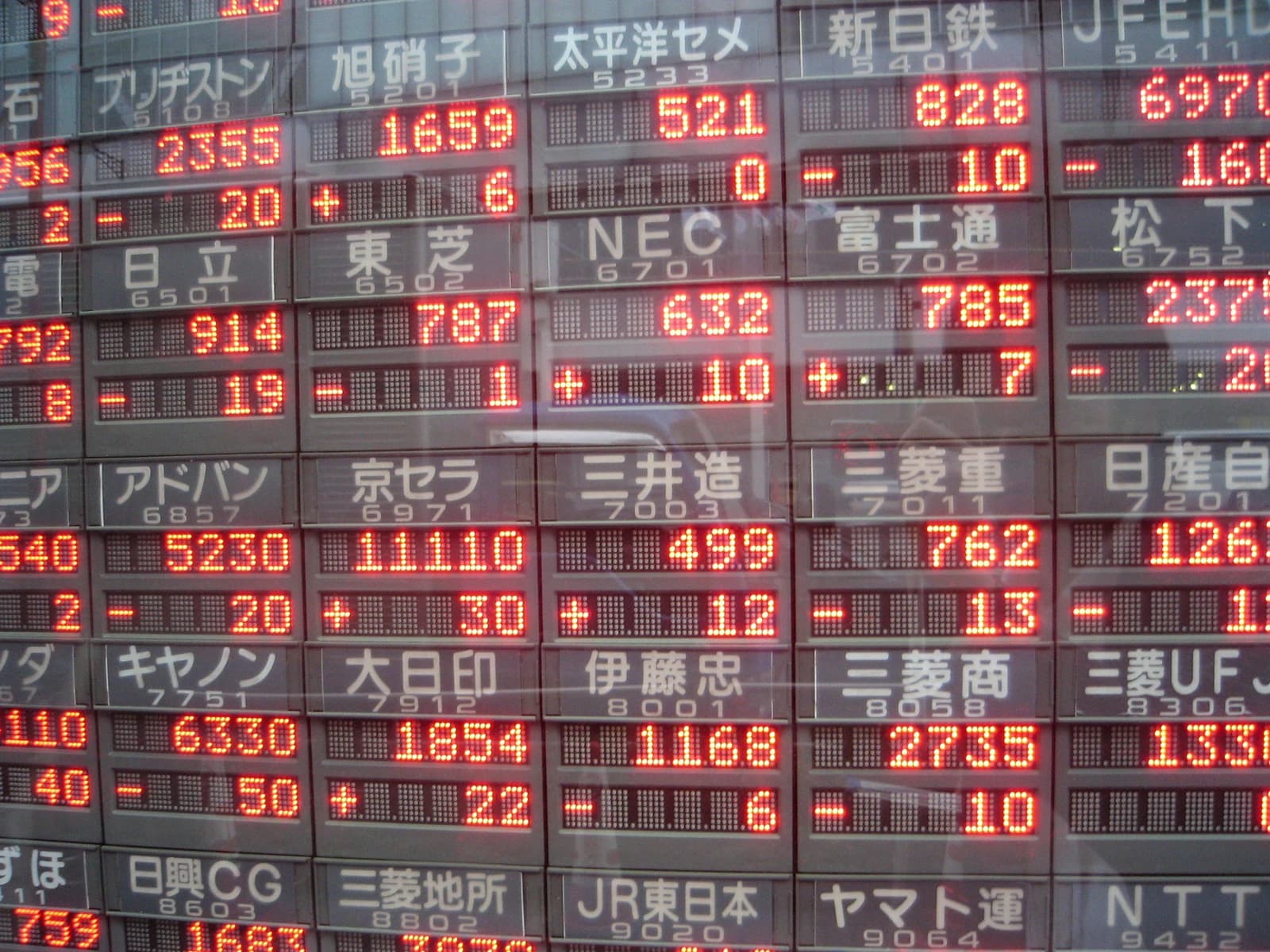
Japan’s stock market is again telling investors that the AI trade is no longer a one-way street. The Nikkei average fell further in afternoon trading as money moved out of AI-linked names and into more defensive or domestically oriented shares, a shift that matters because Japan’s rally has been powered for months by a narrow group of technology winners.
Japan Nikkei Rotation Out of AI Stocks
That rotation is important economically because it suggests investors are becoming more selective about the payoff from the AI buildout. After a long run in which chips, equipment makers and other growth stocks led the market, rising bond yields and heavier capital spending on artificial intelligence are prompting a more cautious stance. When the market starts rewarding companies with steadier earnings and less dependence on expensive AI investment cycles, it usually signals a transition from pure momentum to fundamental scrutiny.
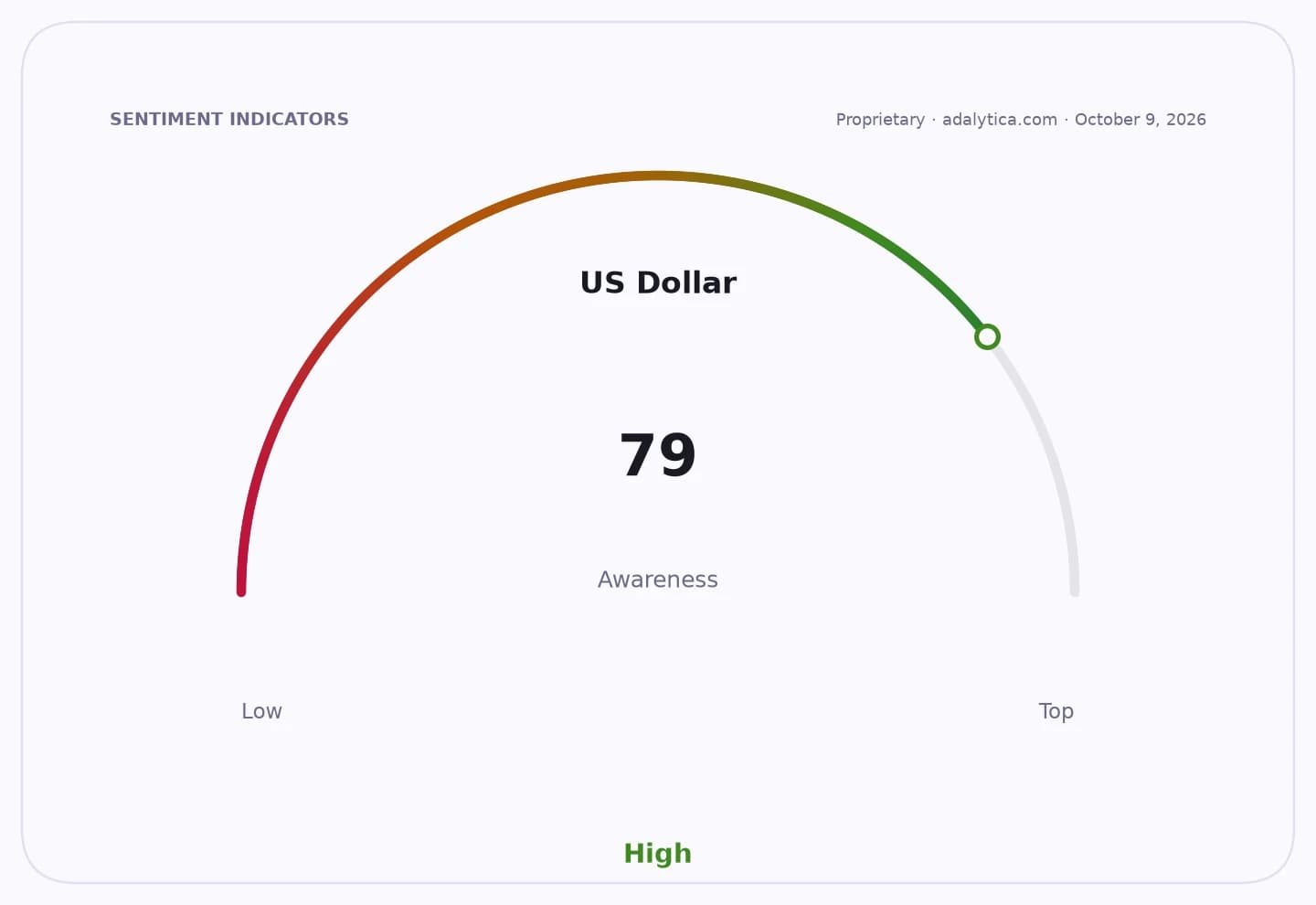
Sentiment IndicatorsⓘProprietary · adalytica.com · October 10, 2026
This is a snapshot — live sentiment, awareness and momentum for 130+ markets update continuously in the dashboard.Open AlphaPulse
The move also has implications beyond one trading session. Japan’s equity market has been one of the clearest beneficiaries of the global enthusiasm for AI, but the latest price action shows that enthusiasm can coexist with fatigue. The Nikkei’s decline came even as the broader market remained supported by buying in non-AI stocks, which helped cushion the damage. That kind of internal rotation often reflects investors locking in gains in crowded winners and looking for earnings that are easier to underwrite.
For long-term investors, the more interesting question is not whether AI remains powerful — it clearly does — but whether the market has already priced in too much of the near-term optimism. The Nikkei remains well above its 50-day and 200-day moving averages, so this is not a broken trend. But the recent pullback, along with softer momentum readings in some Japan-linked exchange-traded funds, suggests leadership is broadening rather than disappearing. That can be healthy over time, especially if it reduces dependence on a handful of high-valuation names.
The currency backdrop also matters. The yen has shown signs of renewed movement, and shifts in the exchange rate can quickly reshape the appeal of exporters versus domestically focused stocks. If the yen strengthens, exporters can lose some earnings support, while local demand plays may look relatively better. That gives investors another reason to watch sector rotation closely instead of treating the Nikkei as a single trade.
The bottom line: Japan’s market is entering a more nuanced phase. AI is still a major growth theme, but investors are increasingly asking which companies can compound earnings without needing perpetual spending euphoria. For patient investors, that is not a warning sign so much as an opportunity to separate durable winners from cyclical excitement. Worth watching, and worth owning selectively for the long term.
| Entity | Gains | Losses |
|---|---|---|
| Non-AI stocks | ▲Rotation inflows | ▼AI trade leadership |
| AI-linked shares | ▲Long-term theme support | ▼Near-term profit taking |
| Exporters | ▲Any weaker yen | ▼A stronger yen |
| Long-term investors | ▲Better entry points | ▼Chasing crowded momentum |