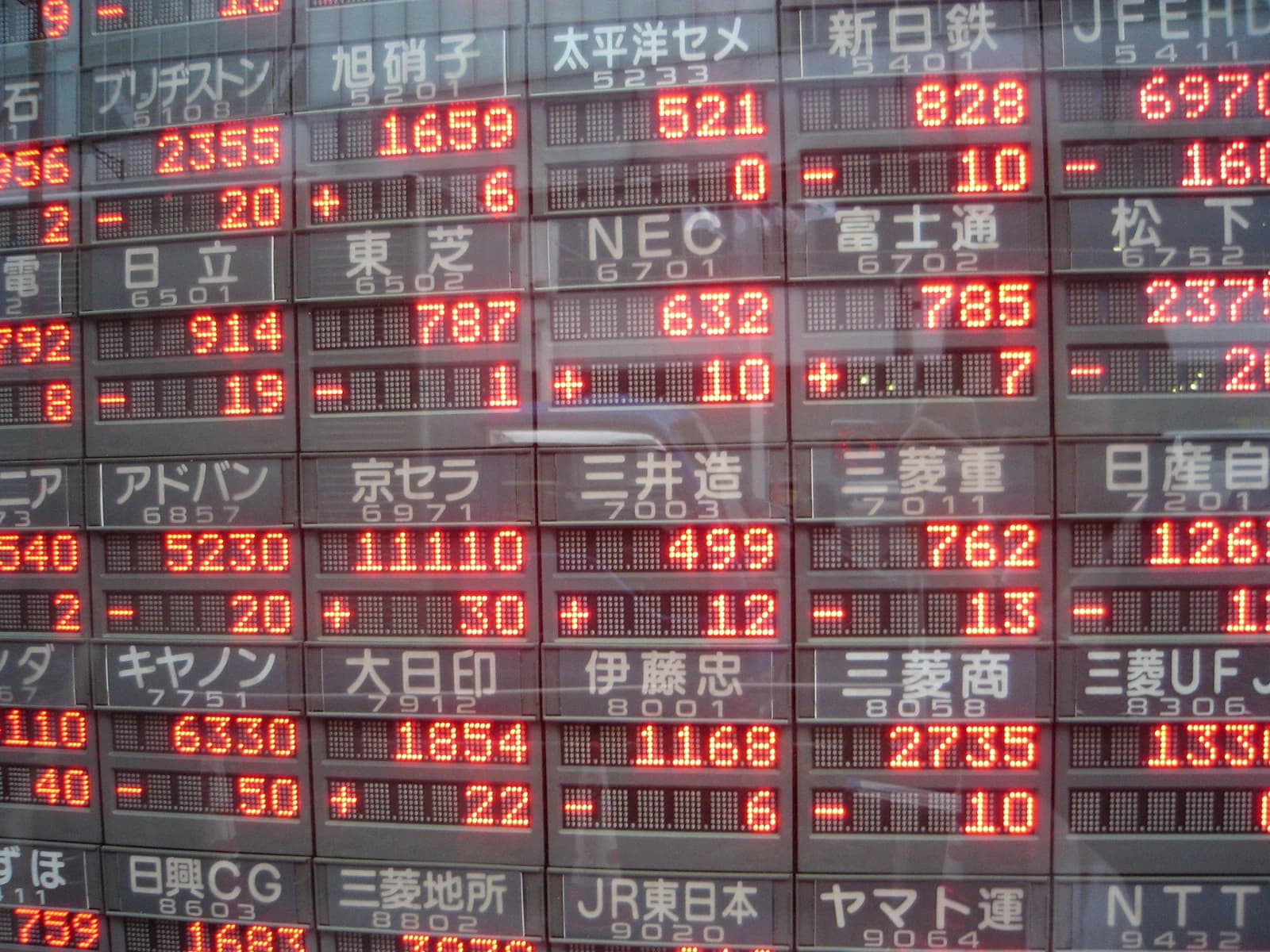
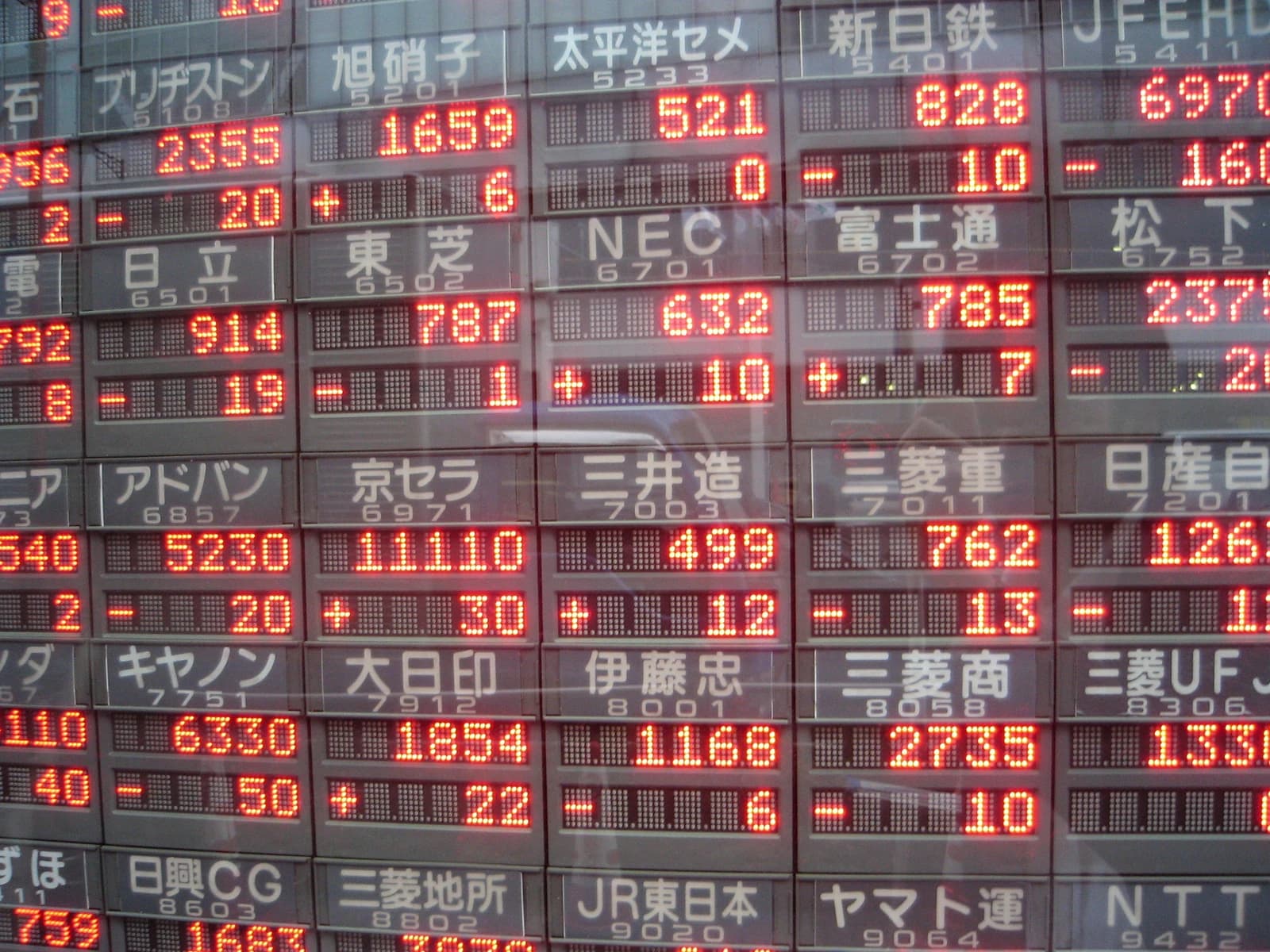
Tokyo stocks pulled back on Wednesday as investors locked in gains from the Nikkei's rapid climb above 70,000 yen, with the benchmark slipping 648.27 yen, or 0.92%, to 70,035.71.
Nikkei Falls Below 70,100 on Profit-Taking
The decline matters because it shows the market is now testing how much of this year’s AI- and semiconductor-led rally is supported by fresh buying versus momentum and profit-taking. The Nikkei had only just reclaimed the 70,000 level for the first time in about three months, and the move higher had lifted sentiment enough to prompt some investors to cash out when the index briefly hovered near record territory. With the Nikkei down after three straight sessions of gains, the immediate issue is whether the advance can consolidate or whether stretched positioning leaves it vulnerable to a sharper unwind.
Sentiment IndicatorsⓘProprietary · adalytica.com · October 8, 2026
This is a snapshot — live sentiment, awareness and momentum for 130+ markets update continuously in the dashboard.Open AlphaPulse
Selling was concentrated in heavyweight names tied to the benchmark, especially AI and chip-related stocks such as Tokyo Electron, which have outsized influence on the index. That concentration matters because a handful of large-cap technology names have carried much of the Nikkei’s recent move, making the index more sensitive to rotations out of those winners. The broader Topix also fell, down 29.45 points, or 0.70%, to 4,154.11, but the Nikkei’s larger decline underscores how profit-taking in the index heavyweights can outweigh otherwise steady underlying demand.
Technical readings also point to a market that had become overheated before Wednesday’s drop. The Nikkei’s relative strength index had been hovering around 80, a level typically associated with overbought conditions, after the index surged above both its 50-day and 200-day moving averages. That does not by itself end the rally, but it does suggest the market was vulnerable to a pause once the psychological 70,000 threshold was reclaimed. Exchange-traded funds tracking Japan, including EWJ and DXJ, were little changed to softer in recent sessions, indicating that global investors have not yet abandoned the trade even as short-term pressure builds.
For investors, the key question is whether this is just a healthy consolidation after an exceptional run or the first sign that the AI-driven leadership is becoming crowded. Bulls will argue that Japan’s equity market still has structural support from foreign inflows, corporate governance reforms and enthusiasm for semiconductor exposure. Bears will point to the speed of the advance, the concentration in a few megacap names and the likelihood that many traders will use strength to take profits after the Nikkei’s latest push through a major round number.
The next test is whether bargain hunters step back in quickly or whether the market needs a deeper reset before the uptrend can resume. If the Nikkei stabilizes above 70,000, the pullback may be viewed as a pause within a broader bull market; if selling broadens beyond the chip complex, it could mark the start of a more orderly but meaningful correction in Japan’s most crowded trade.
| Entity | Gains | Losses |
|---|---|---|
| Profit-takers | ▲Lock in recent gains | ▼Miss further upside |
| AI and chip heavyweights | ▲None in the pullback | ▼Face concentrated selling |
| Long-term Japan bulls | ▲Opportunity to buy dips | ▼Short-term volatility |
| Nikkei short sellers | ▲Benefit from the retreat | ▼Lose if dip is bought quickly |