Japan’s producer price inflation cooled in September, but the decline still leaves the Bank of Japan facing broad-based cost pressure that is keeping alive expectations of further rate increases.
Japan Producer Prices Cool as BOJ Rate Hikes Eyed
The producer price index rose 6.8% from a year earlier, down from 7.6% in August, as cheaper newly harvested rice pulled down agricultural prices. Even so, the data show wholesale inflation remains unusually elevated by Japanese standards, with 460 items posting price gains against just 42 declines out of 515 surveyed.
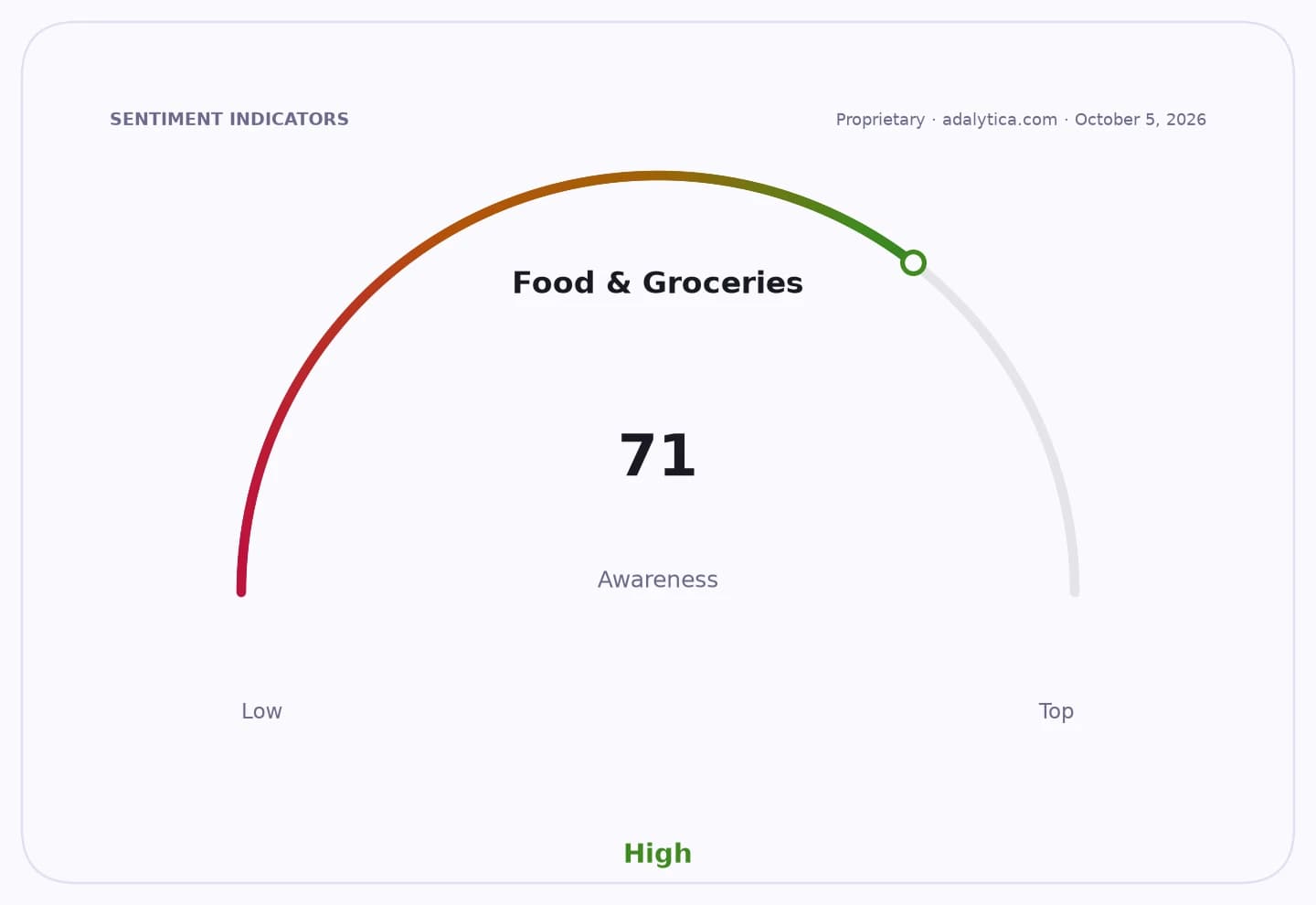
Sentiment IndicatorsⓘProprietary · adalytica.com · October 13, 2026
This is a snapshot — live sentiment, awareness and momentum for 130+ markets update continuously in the dashboard.Open AlphaPulse

That matters because producer prices feed through to corporate pricing power, input costs and eventually consumer inflation. The BOJ said companies’ customers are still being asked to absorb higher materials and parts costs, a sign that domestic pricing behavior remains sticky even as one food category cools.
The September report also underlines how the inflation mix has broadened beyond food and fuel. Information and communications equipment prices climbed 15.3% as a memory-chip surge tied to artificial intelligence demand lifted component costs, while petroleum and coal products rose 11.5% and non-ferrous metals, including copper and aluminium, jumped 40.2%. The strength in industrial inputs suggests the easing in the headline rate is less a break in the inflation trend than a temporary reprieve from volatile agricultural prices.
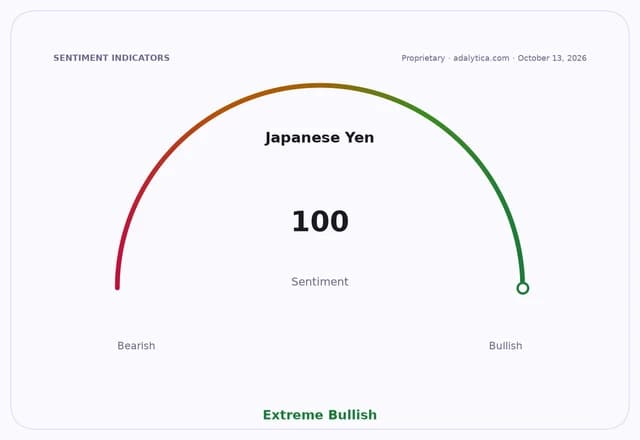
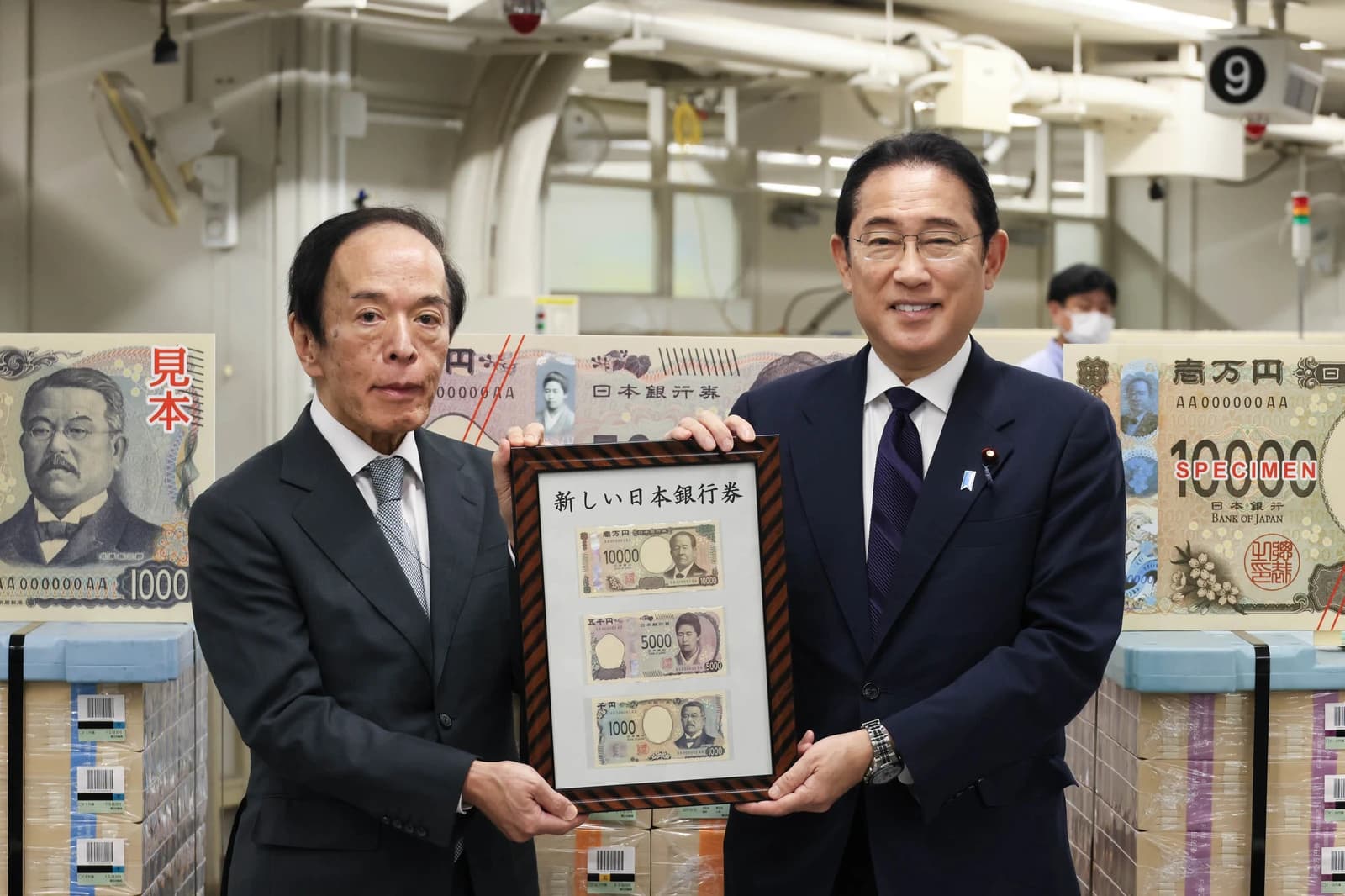
For the BOJ, that leaves policy in a delicate position. Governor Kazuo Ueda has been trying to normalize policy after years of ultra-low rates, but persistently high producer prices strengthen the case for keeping tightening bias in place, especially if firms continue passing costs on to consumers. Japan’s import price index still rose 17.9% in foreign-currency terms and 24.5% in yen terms, underscoring the role of a weak currency in amplifying imported inflation.
Investors are likely to read the report as inflationary enough to keep support under the yen, even if the currency’s path will still depend on the spread between Japanese and U.S. rates. The yen has been volatile, and any renewed BOJ tightening could add pressure to dollar-yen carry trades and to exporters’ margins at the margin.
The bigger question is whether the rice-led decline in September is the start of a broader disinflation trend or merely a pause in a still-firm wholesale price cycle. If energy, metals and AI-related component prices stay high, the BOJ may have little choice but to keep nudging rates higher, with knock-on effects for bonds, bank lending and equity valuations in Japan.
| Entity | Gains | Losses |
|---|---|---|
| BOJ rate-hike advocates | ▲Stronger case for tightening | ▼Dovish policy arguments |
| Japanese manufacturers | ▲Some relief from cheaper rice inputs | ▼Higher costs for metals, chips, energy |
| Yen bulls | ▲Support from sticky inflation | ▼Risk from any delay in BOJ action |
| Exporters | ▲Softer domestic input growth in one area | ▼Margin pressure if rates and yen strengthen |